




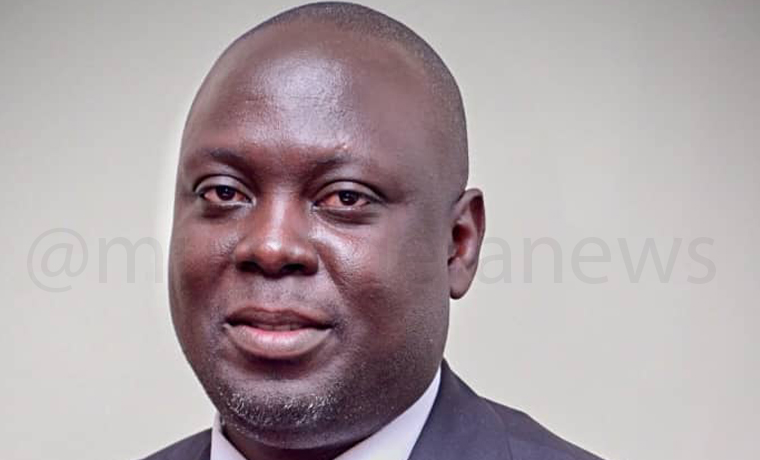
 By Aggrey Baba
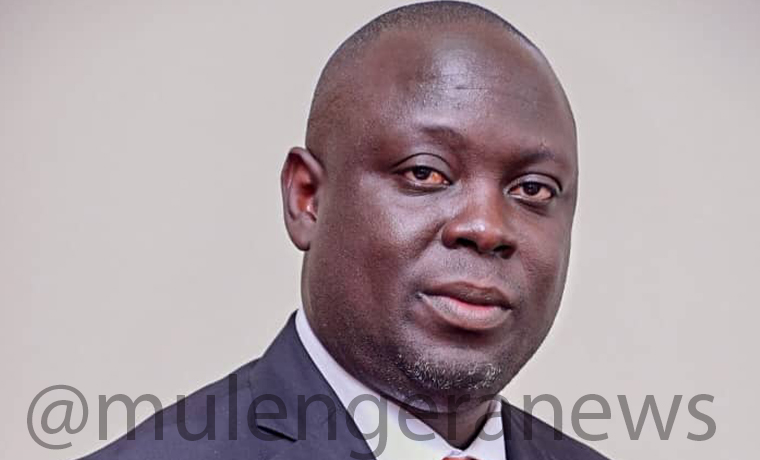
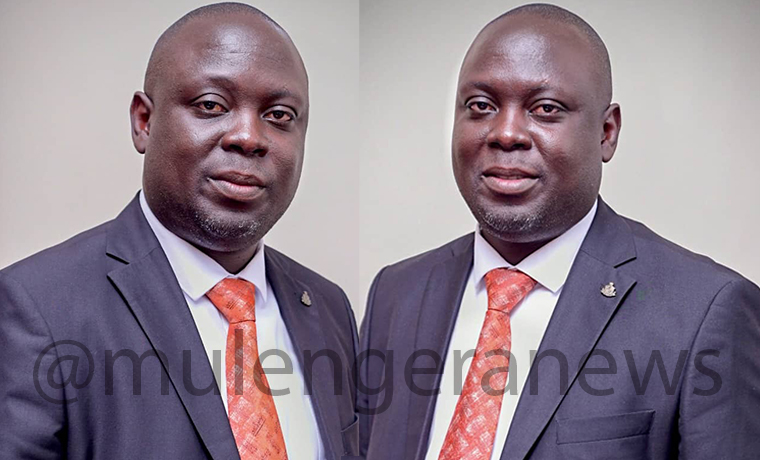
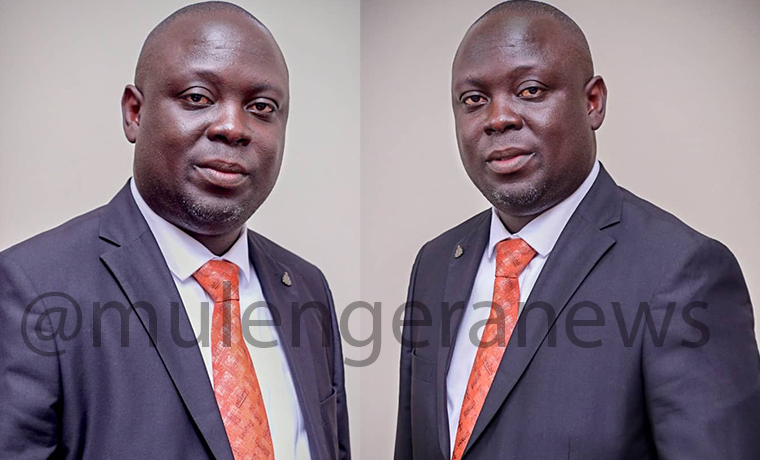
Despite concerns over internal rifts following the recent primary elections, the ruling National Resistance Movement (NRM) remains a unified and resilient political force, according to Haji Faruk Kirunda, Deputy Press Secretary to the President.
Writing in his weekly column published in a national newspaper, Kirunda dismissed speculation that the party is on the verge of collapse, attributing the post-primary tensions to the natural consequences of a competitive democratic process.
The NRM recently concluded grassroots, constituency, district, municipal, and city-level primaries, which saw intense contests across the country.
While some prominent incumbents lost their bid for party flags and new political actors emerged, Kirunda maintained that this was evidence of the party’s democratic strength rather than its weakness, arguing that the open participation of members in selecting candidates demonstrates the NRM’s commitment to popular democracy, even if it results in temporary friction.
Kirunda contrasted the NRM’s approach with that of opposition parties, many of which have bypassed internal elections by handpicking flagbearers through closed processes. He described this trend as a betrayal of democratic principles, especially from parties that have built their identity on criticising the NRM for alleged authoritarianism.
He further noted that the few internal differences within the NRM pale in comparison to the fragmentation currently affecting opposition parties, which are experiencing widespread splits and defections.

According to Kirunda, the emergence of factions like the People’s Front for Freedom (PFF), Democratic Front (DF), Common Man’s Platform (CMP), and others, is a reflection of the growing instability within opposition formations. These new groups, often born from disagreements over internal governance and leadership succession, have siphoned off members from major parties such as the FDC, NUP, and DP. This, he argued, is an indication that the real crisis lies outside the ruling party.

In his analysis, Kirunda pointed out that the NRM’s robust internal systems give it a pre-election advantage. The party maintains active structures in all 353 directly elected parliamentary constituencies and all 146 districts and cities.
It is also positioned to field candidates for all local government seats and Special Interest Group (SIG) positions across the country. This level of national reach and organisational depth, he said, remains unmatched by any other political party in Uganda.
Addressing grievances from primary losers, Kirunda explained that the party has established mechanisms to ensure justice through a formal electoral tribunal. Aggrieved candidates have been encouraged to submit petitions backed by evidence, which the tribunal is already processing.
He indicated that in cases where there were irregularities such as manipulation or attempts to impose unpopular candidates, corrective measures would be applied. The intention, he said, is to uphold the will of the people and safeguard the party’s integrity.
Kirunda emphasised that President Yoweri Museveni, the NRM’s National Chairman, played a neutral role during the primaries. He stated that Museveni deliberately avoided involvement in the voting process to prevent perceptions of bias or undue influence.
The President, according to Kirunda, maintained an oversight role, urging mass participation, encouraging calm, and discouraging violence.
Kirunda also underscored that while some aspirants attempted to use money and personal influence to manipulate the electoral process, the President’s longstanding leadership and moral authority helped to contain such tendencies. He argued that Museveni’s experience, discipline, and ideological clarity remain central to the party’s unity and survival.
Without that leadership, he added, the party would have been at risk of disintegration.
Looking ahead to the 2026 general elections, Kirunda expressed confidence that the NRM is entering the final leg of preparations stronger than ever.
He described the post-primary disputes as manageable and not unusual for a party of its size and scale. Ultimately, he said, the NRM will emerge more focused, more organised, and more attractive to voters, not just because of its past record, but because of its continued commitment to internal democracy, national stability, and people-centered governance.