




By Mulengera Reporters
The Government of Uganda has moved to mitigate potential drivers of Gender Based Violence (GBV) in wetland management in the face of the current upsurge of climate change impacts.
The government, through the Ministry of Water and Environment (MWE), is implementing several initiatives aimed at building the resilience of wetland ecosystems and communities towards climate change. One such initiative is the Building Resilient Communities, Wetland Ecosystems, and Associated Catchments project in Uganda.
However, gender experts say that the more the climate changes, the more likely that communities will experience GBV as households strive to adapt. Ms. Josephine Kamisya, the Executive Director at the Centre for Domestic Prevention (CEDOVIP), says, “Every single increase in temperature has a direct link to an increase in levels of GBV.”

Climate change exacerbates GBV by worsening conditions like poverty and displacement, increasing vulnerability for women and girls. Extreme weather events and resource scarcity can intensify intimate partner violence and forced child marriage. Furthermore, GBV can limit women’s participation in climate actions, Kamisya adds.

Therefore, initiatives that seek to reduce wetland-dependent communities’ vulnerability to climate change impact should not exacerbate the prevalence of Gender Based Violence, gender experts argue. Instead, they should be designed to benefit all community members without causing harm.
To ensure its initiatives do not harm already vulnerable communities, the government has partnered with the Centre for Domestic Violence Prevention (CEDOVIP) Under the partnership, government(MWE) is collaborating with CEDOVIP to integrate GBV prevention mechanisms in communities where the Building Resilient Communities and Associated Catchments in Uganda project is being implemented.
In particular, CEDOVIP will work in Pallisa district with communities that have received alternative livelihoods after voluntarily vacating the Limoto wetlands. “Our preliminary studies indicate that GBV is high at the household level in Pallisa.”
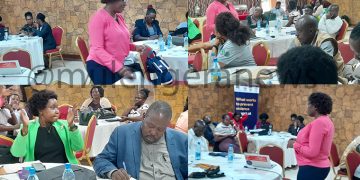
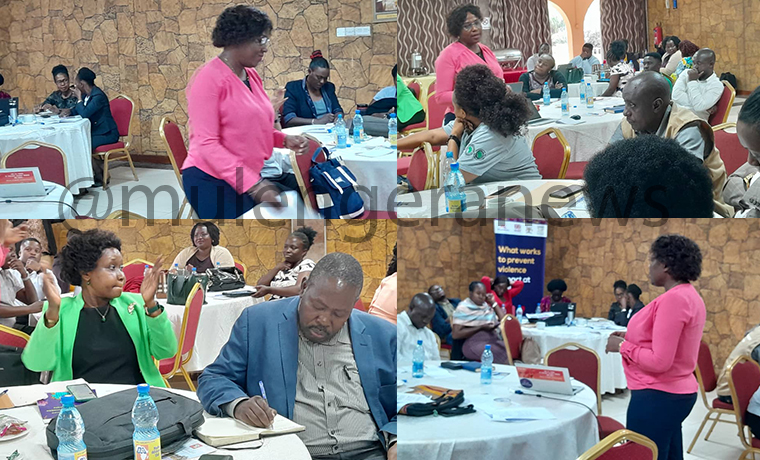
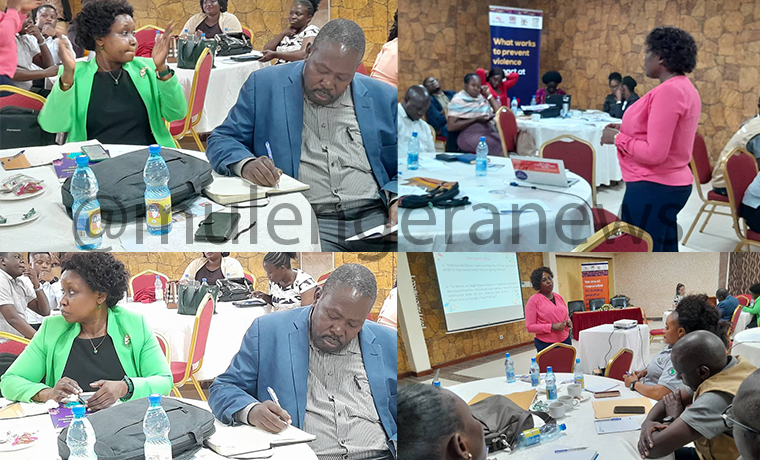
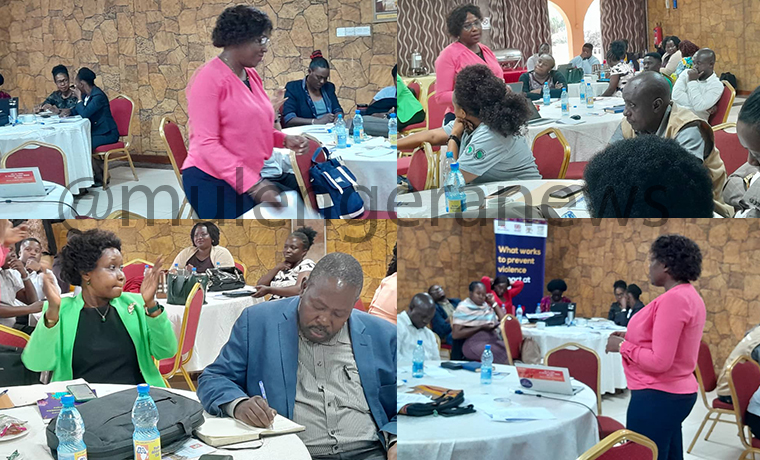
Ms. Lucy Iyango, Assistant Commissioner at MWE, stated that the partnership is timely, given that the government is implementing several initiatives aimed at building community resilience to climate change. “As a government, we are willing to support CEDOVIP in promoting an environment free from GBV, if not mitigate it.” Iyango was speaking at a capacity-building workshop for MWE staff on integrating GBV into government climate actions. (For comments on this story, get back to us on 0705579994 [WhatsApp line], 0779411734 & 041 4674611 or email us at mulengeranews@gmail.com).