




 By BM
By BM
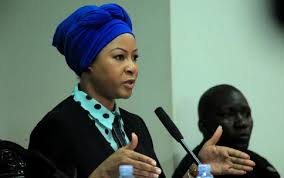
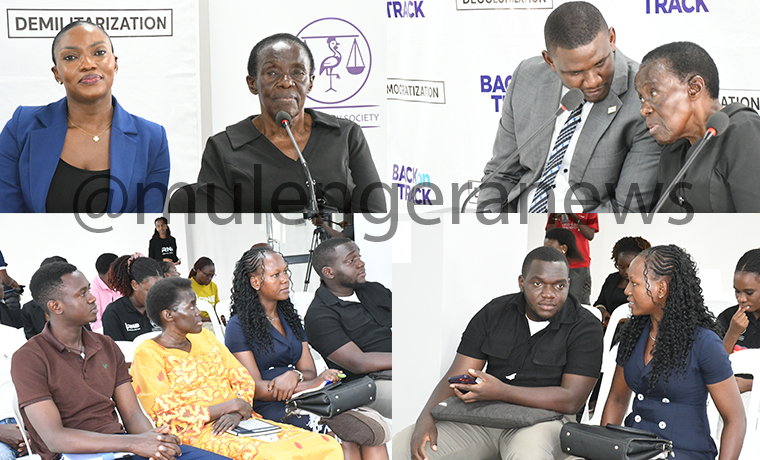
In a riveting address that sent shockwaves through Uganda’s legal fraternity, Gertrude Njuba, Presidential Advisor on Political Matters and Land Affairs, pulled back the curtain on the brutal realities and painful sacrifices that shaped Uganda’s struggle for freedom and the elusive quest for the rule of law.
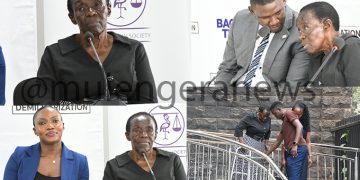
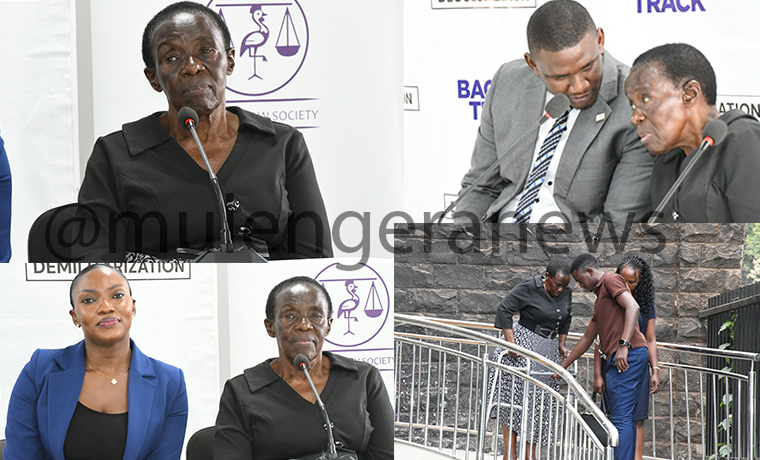
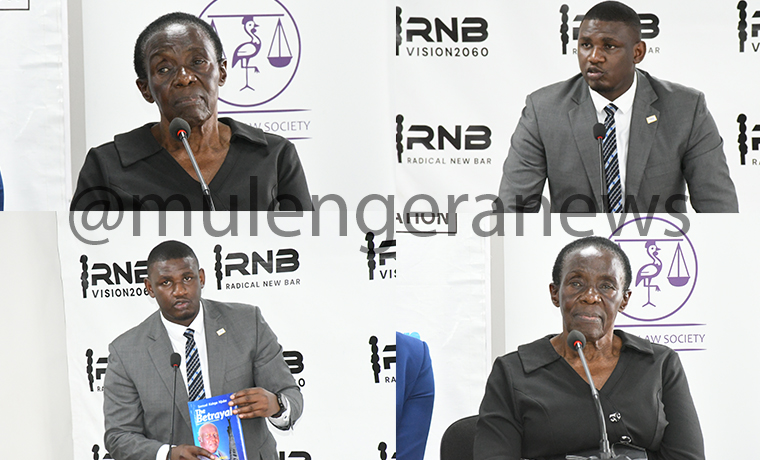
Speaking at the launch of the 16th Rule of Law Week at the Uganda Law Society (ULS) headquarters in Kololo, where her late husband, the formidable Samuel Kalega Njuba, was posthumously honored by the Radical New Bar, Gertrude Njuba did not hold back.
With raw honesty, Njuba recounted her personal journey from a life of comfort as a bishop’s daughter and an income tax officer to joining the harrowing Bush War, driven by the urgent need to free her family and a nation shackled by colonial legacies and political repression.
“I think my biggest misfortune was the day I met Samuel Njuba,” she confessed, describing how love led her into the heart of a revolutionary struggle that cost many their lives and shattered countless families.
But it was a sacrifice she stood by fiercely, revealing the deep wounds left by betrayal and unfulfilled promises within Uganda’s liberation narrative.

Njuba did not spare the establishment either.
She delivered a scathing critique of Uganda’s legal and political systems, charging the Law Society with clinging to colonial-era frameworks long after independence.
“We protect the past as if the past has not passed,” Njuba declared, urging lawyers to embrace decolonization, disruption, and radical reform, a call echoing through the chambers of power and law.

Her words struck a chord when she admitted that while initially joining the struggle to liberate her own family, she eventually became a passionate convert to the broader cause of African liberation.
The widow of a man who once stood at the forefront of Uganda’s legal battles, Njuba laid bare the personal cost of fighting for justice, and the continued fight to instill the rule of law from home to government.
“You cannot teach the rule of law after people have grown; it must start at the beginning, in the family,” she urged. “If we don’t raise our children with respect for law and order, how can we expect the nation to uphold it?”
Her powerful testimony was punctuated by reflections from their children, who spoke of a stern father whose discipline was rooted in a fierce desire to shape a just society.
The emotional event brought a mix of nostalgia and urgency, a stark reminder that Uganda’s journey toward freedom and lawful governance is far from over.
As the audience absorbed her candid truths, one thing was clear: Gertrude Njuba’s revelations challenge Uganda to confront its past brutally and honestly if it hopes to reclaim the promise of liberation and the true rule of law.