




 By BM
By BMUganda’s 2026 election season just got a whole lot more visual and a little bizarre as the Electoral Commission unveiled an eye-catching lineup of official symbols, setting off a wave of public reaction and online buzz.
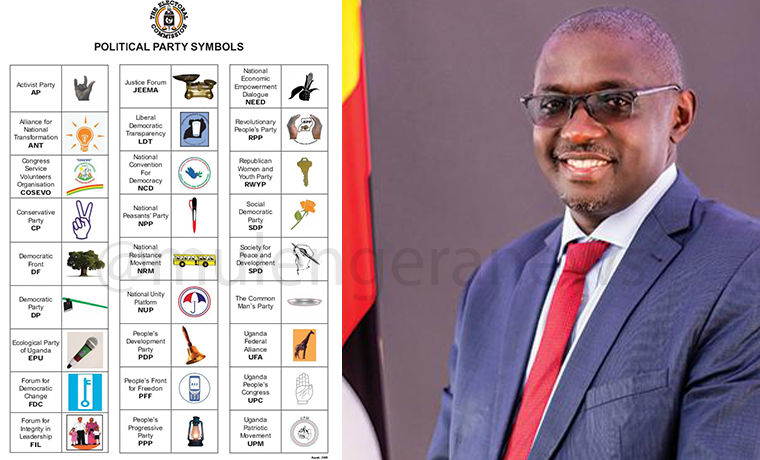
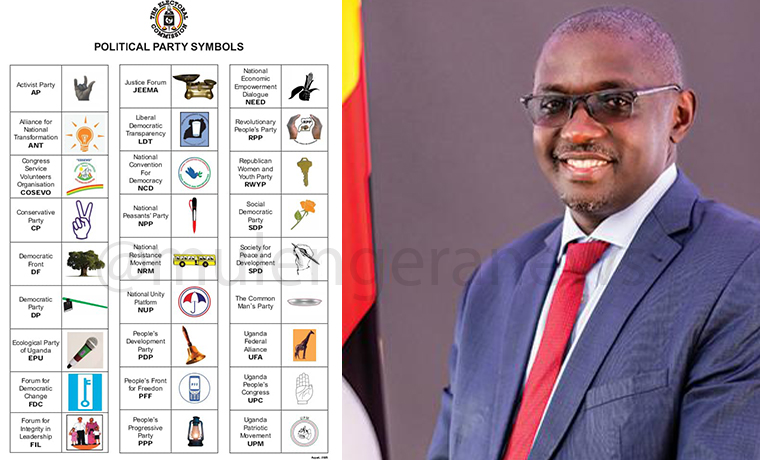
In a move designed to sharpen ballot clarity and prevent voter confusion, especially among the illiterate and visually impaired, the Commission released official symbols for 27 registered political parties and a quirky pool of 20 icons reserved for independent candidates.
From bananas to boreholes, kettles to clocks, the list reads more like items in a village market than tools of democratic choice and yet, each of them could end up on the ballot that decides Uganda’s next leaders.
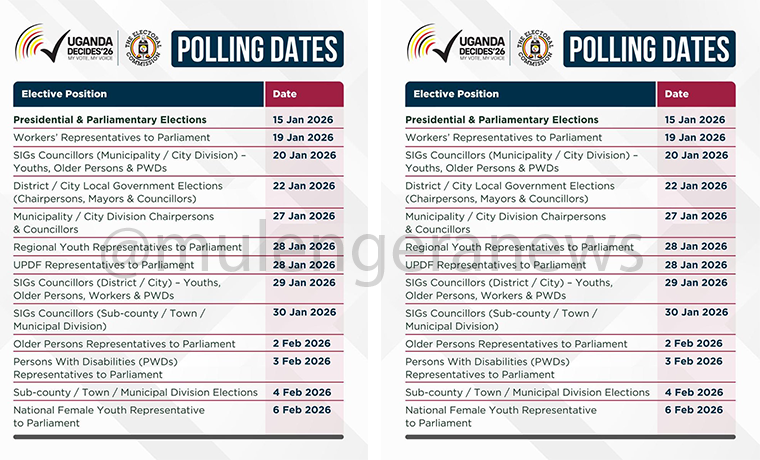
The announcement, mandated under the Political Parties and Organisations Act of 2005, signals a major step in election preparations ahead of the high-stakes presidential, parliamentary, and local government races slated for early 2026.
The EC spokesperson Julius Mucunguzi took to social media platform X to explain that independent candidates will have to claim their symbols on a first-come, first-served basis at the time of nomination.
“This step ensures clarity on the ballot and upholds the principles of fair competition,” he wrote, triggering a flood of reactions from amused citizens.
Within hours, images of the independent symbols, plain black-and-white illustrations of objects like a pot, a radio, a megaphone, and even a simple chair — had gone viral.
One user jokingly described them as looking like a “nursery class alphabet chart,” while others speculated which icon would offer the best chance of catching voters’ eyes in a crowded field.
But behind the lighthearted banter is a serious political undercurrent.
With over two dozen parties already locked in, each with its own distinctive logo including the ruling National Resistance Movement’s yellow bus and the National Unity Platform’s red umbrella independent candidates are in a scramble not just for attention, but for identity.
In Uganda’s electoral system, where symbols can be more recognizable than names, picking the right image could be a strategic power move.
The Commission has also tightened regulations, requiring all political parties to maintain physical offices, structured leadership, and verified contact details to remain eligible.
These criteria were used in the most recent update of the national register, solidifying the positions of long-standing parties like NRM, NUP, and the Forum for Democratic Change, whose “key” emblem is pitched as a metaphor for unlocking Uganda’s potential.
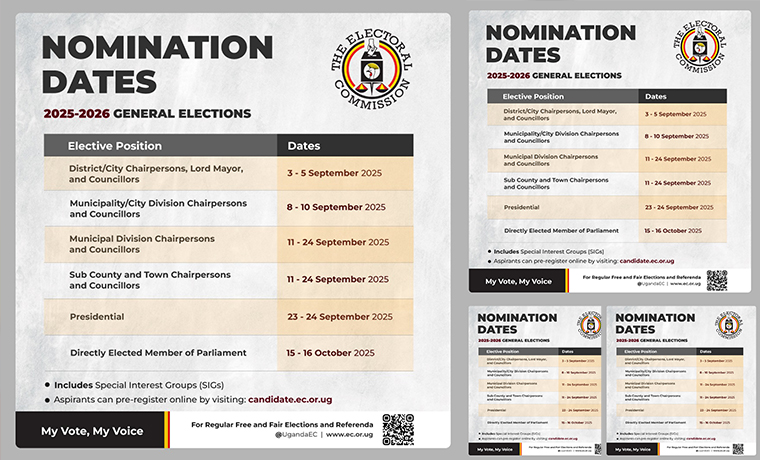
As the September 24 nomination deadline for local government positions approaches, tension is mounting not just over policies or promises, but over the very icons that could shape the nation’s political future.
Uganda’s 2026 election is already shaping up to be more than a battle of ideologies. It’s also a battle of symbols and every banana, ball, and book might just count.