






By Ben Musanje
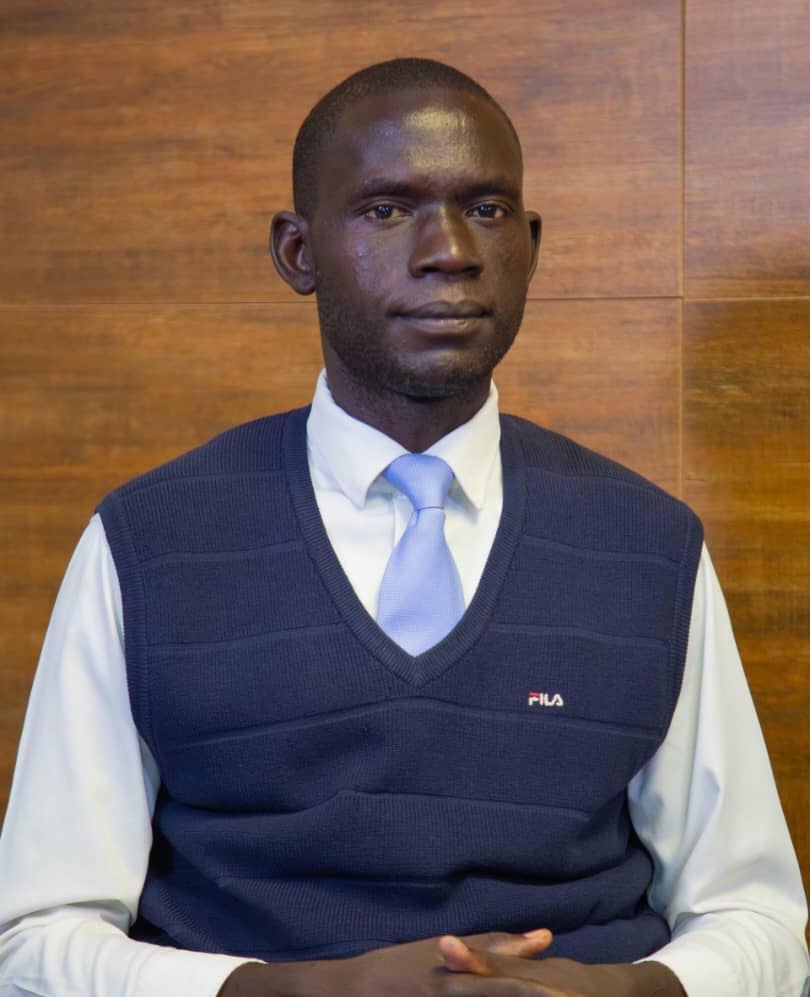
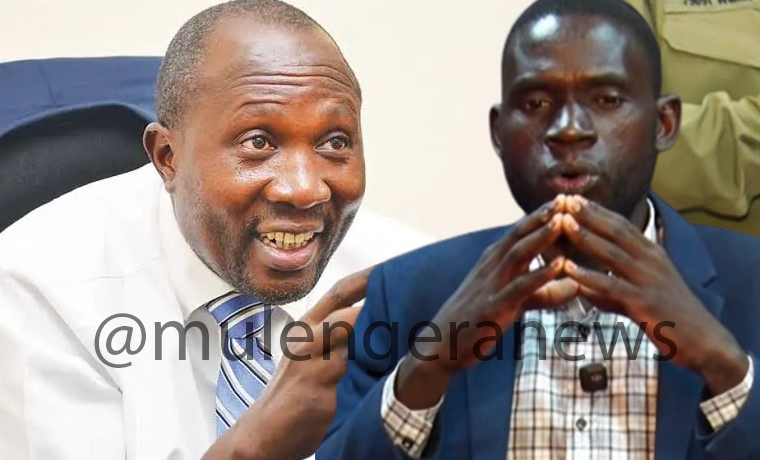
In a wide-ranging exclusive interview, Augustine Ojobile, the Secretary of the Electoral Commission for the Forum for Democratic Change (FDC), has shared key insights into his party’s electoral strategy and the political landscape ahead of the 2026 general elections.
Ojobile, a prominent FDC official and former leader Dr Kiiza Besigye’s stronghold, revealed the party’s rationale for opting out of traditional mass rallies and its ambitious goals for securing a significant presence in the upcoming parliament.
FDC’s presidential candidate Nathan Nandala Mafabi has been one of the few candidates that have so far managed to traverse most of the districts in the campaign amidst his campaign rallies attracting few people compared to the National Resistance Movement (NRM) and National Unity Platform (NUP).

Ojobile emphasized that Nandala Mafabi, is on course to secure the highest number of votes in the 2026 elections, not just in the presidential race but also in parliamentary contests. The party’s unique “parish model” of campaigning, which targets voters directly within their communities, is at the heart of their strategy.

Unlike other parties that rely heavily on mass rallies, FDC’s approach ensures that their candidate reaches out to the electorate in their local areas, making multiple stopovers within each district.
“We don’t bring the voters to us; we go to where they are. That’s how we are able to engage with more voters,” Ojobile explained. He noted that this grassroots approach allows FDC to reach a wider base, potentially outpacing other parties in terms of voter outreach.
The party’s effort to field 237 parliamentary candidates, close to the number fielded by the National Resistance Movement (NRM), positions them to secure the second-largest number of seats in the next parliament. “We are confident that we will have the second-largest number of MPs in the 2026-2031 parliament,” he added.

On the performance of Nathan Nandala Mafabi, Ojobile expressed high praise for his candidate. “Our candidate has already connected with the people because he knows what they need. He’s embraced by the population because his message resonates. He promises to fix the economy and put money in people’s pockets,” Ojobile said.
One of the key highlights of Mafabi’s economic platform, according to Ojobile, is a proposal to address youth unemployment by providing new graduates with a financial boost. He stated that under Mafabi’s leadership, university graduates would be assured of a million shillings upon completing their studies.
“We’ve already captured about 46,000 graduates who graduate from institutions every year. They know that when they graduate, they will have money in their pockets,” Ojobile said, underscoring the importance of providing tangible economic solutions to young voters.
Another key part of FDC’s economic strategy involves reducing taxes for businesses to promote investment and job creation. Ojobile revealed that FDC plans to drastically lower tax rates from the current 50% to a mere 2%, allowing businesses to invest with ease and reducing the financial strain on Ugandans.
FDC’s focus on lowering the cost of basic goods, such as food, was also highlighted as part of the party’s broader vision to alleviate the economic pressures on citizens. “If you’re spending 5,500 shillings on a loaf of bread, under our leadership, you’ll only spend 2,000 shillings. You will have saved 3,500 shillings, and more money will be in your pocket,” Ojobile said, framing this as one of the key promises that distinguishes FDC from its competitors.
Ojobile also spoke passionately about FDC’s foundational principles, particularly the party’s commitment to democracy. He described FDC as a “forum,” emphasizing that the party’s core ideology is about bringing together diverse ideas to create a more inclusive political environment.
“It’s a forum, not an individual thing. We get ideas from everywhere to build our democracy,” he said, noting FDC’s long-standing history of collaborating with other political parties in the pursuit of democratic change.
Despite FDC’s optimism, Ojobile acknowledged that Uganda’s democracy is still young and that the country faces significant challenges, particularly in the areas of political violence and the commercialization of politics.
Reflecting on the issue of political violence, Ojobile pointed out that the attacks on FDC supporters during the campaign season are rooted in political rivalry and jealousy.
He recounted a recent incident in Chadundo where FDC’s campaign team was attacked by suspected NRM members. “When NRM attacks us, it’s because they want to stop us from reaching the people,” he said, expressing concern over the role that violence plays in suppressing political competition.
On the topic of political commercialization, Ojobile argued that politics in Uganda has increasingly become about money, which he sees as a dangerous trend. He explained that politicians today often view political office as a business venture, driven by material gains rather than a desire to serve the public.
“Politics must be a service, not a job,” he said, stressing that if the country were to view politics through the lens of service rather than profit, many of the challenges surrounding the commercialization of politics could be addressed.
When discussing his party’s presidential candidate, Nathan Nandala Mafabi, Ojobile painted a picture of a leader with a diverse and impressive background. Mafabi, a successful farmer, businessman, educationist, lawyer, and economist, has worked with international organizations such as the World Bank and Uganda’s Ministry of Finance.
“Mafabi is the kind of leader Uganda needs,” Ojobile asserted, adding that his deep understanding of agriculture, business, and finance would be instrumental in revitalizing Uganda’s economy.
Ojobile also expressed concerns regarding the ongoing issues with the Electoral Commission, particularly the lack of transparency in the printing of ballot papers and the failure to properly gazette polling stations and candidates.
He noted that these shortcomings could lead to voter disenfranchisement and undermine the integrity of the election process. “We can’t be sure that the polling stations are correct until we receive the official gazette,” he said, calling for immediate action to address these issues before Election Day.
In conclusion, Ojobile urged Ugandans to vote for Nathan Nandala Mafabi, citing his leadership qualities, experience, and commitment to reforming the country’s economic and political systems.
“He has the will, the ability, and the knowledge to lead this country,” Ojobile declared, expressing confidence that FDC’s message is resonating with voters and that the party is on track for success in the upcoming elections.
As Uganda approaches the 2026 elections, FDC is positioning itself as a party ready to take the reins of government, with a bold vision for a more prosperous and democratic future.
However, the road ahead is not without its challenges, and the party will need to navigate both political violence and electoral irregularities to ensure a fair and free election. (For comments on this story, get back to us on 0705579994 [WhatsApp line], 0779411734 & 041 4674611 or email us at mulengeranews@gmail.com).