





By BM
As Uganda prepares for the 2026 general elections, journalists covering the electoral process have been advised to adopt stringent digital safety measures, including avoiding public Wi-Fi networks, to safeguard themselves from cyber threats and government surveillance.
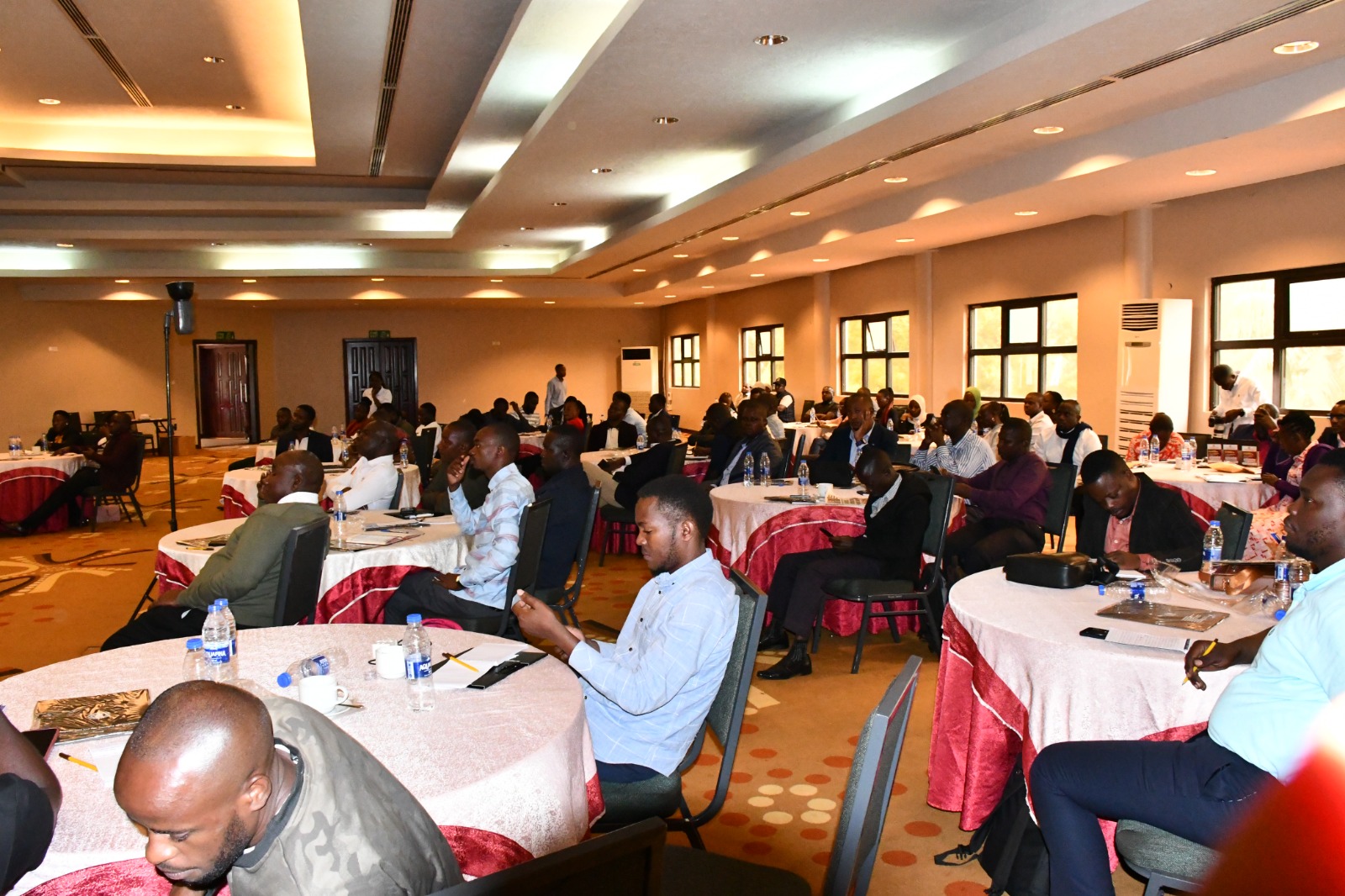
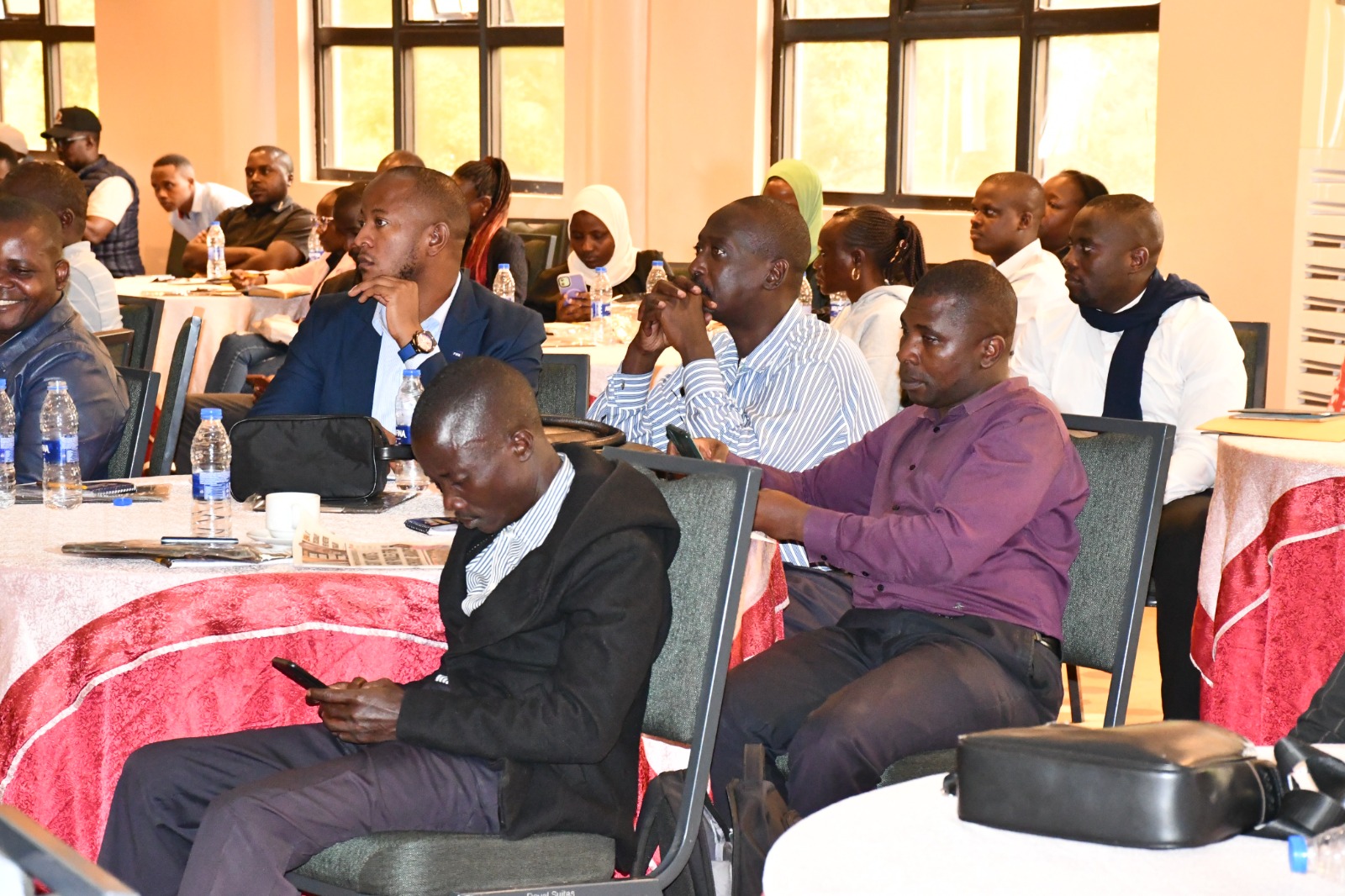
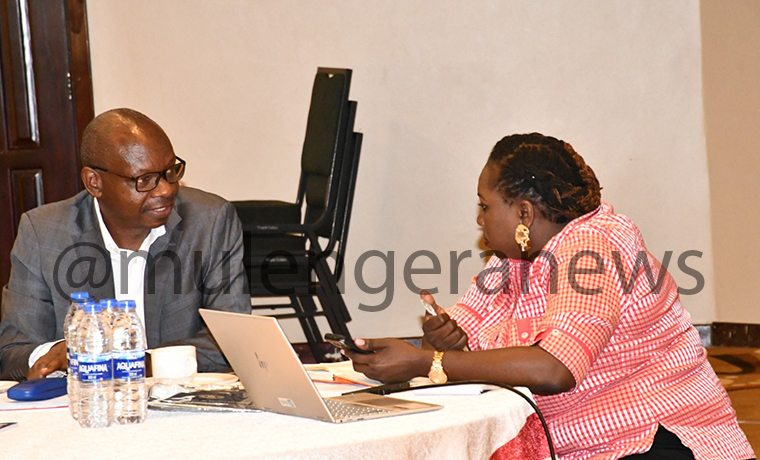
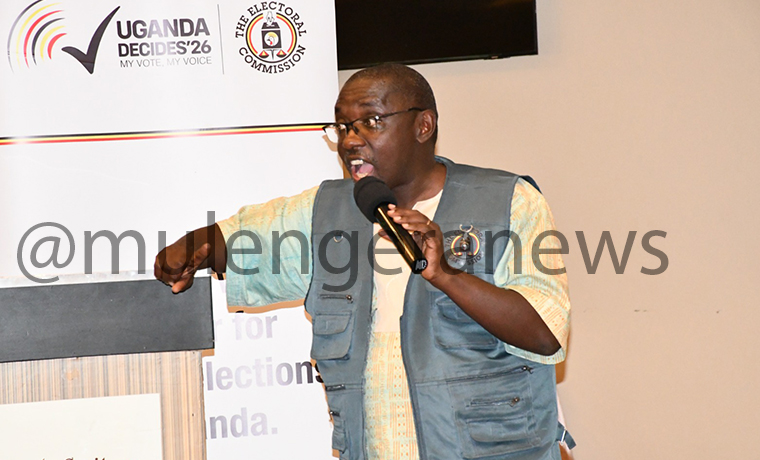
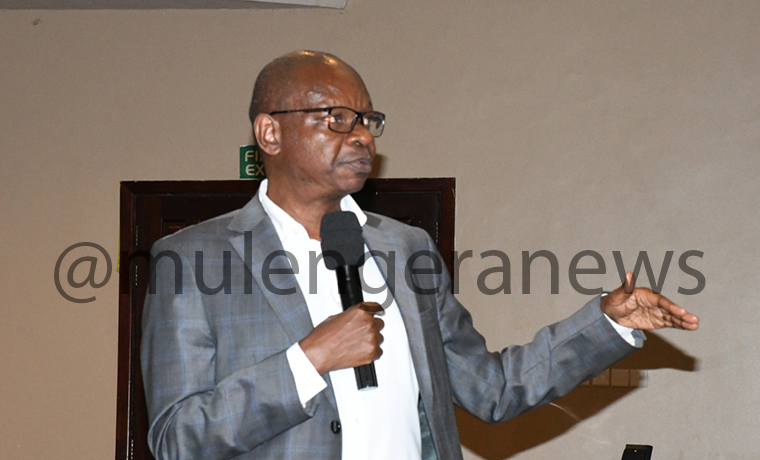
This advice was delivered during a media workshop organized by the Electoral Commission (EC) at Royal Suites in Bugolobi, Kampala, aimed at equipping media practitioners with skills and knowledge on safely reporting during election periods.
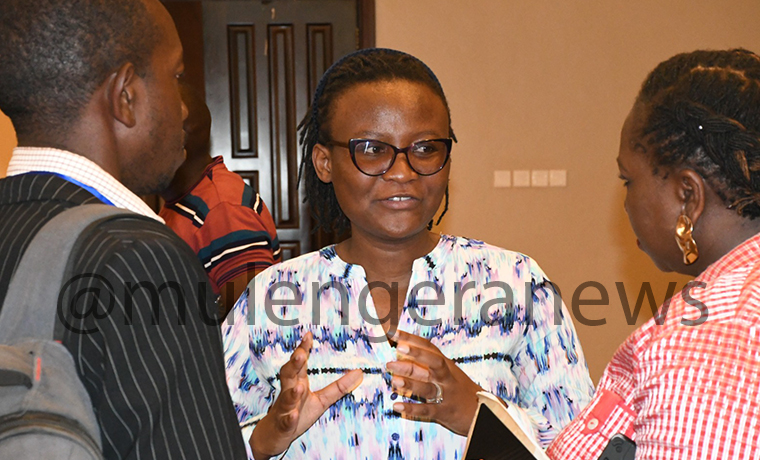
The workshop featured experts from Pollicy, a digital rights organization, who highlighted the growing risks that journalists face in the digital space, particularly when covering politically sensitive events.

Brenda Namata, Programs Manager at Pollicy, emphasized the importance of media practitioners protecting themselves from online vulnerabilities, especially given the sensitive nature of political reporting. “Public Wi-Fi might seem like a convenient resource, especially when you are out in the field. However, it poses serious security risks,” she cautioned.

Namata explained that public Wi-Fi networks can be exploited by hackers or even government agencies to intercept communications, access devices, or track the location of journalists.
This makes reporters vulnerable to surveillance and hacking, which could compromise their sources, sensitive information, and personal safety.
“Do not use public Wi-Fi while covering elections. Even when you are at the Electoral Commission offices and see free Wi-Fi, do not be fooled. Instead, buy your own data or, better still, use a reliable paid VPN service to secure your internet connection,” Namata urged.
She stressed the importance of VPNs (Virtual Private Networks), particularly paid versions, to encrypt internet traffic and hide users’ locations and identities. While free VPNs exist, Namata warned that they may not offer adequate security or privacy.
“A paid VPN ensures that even if someone intercepts your data, they won’t be able to identify your location or who you are. This is crucial in environments where digital surveillance is prevalent,” she added.
Namata also discussed the need for journalists to be vigilant about device security, highlighting common practices that increase vulnerability.
She noted that many reporters use biometric locks such as face recognition or thumbprints on their phones.
“While these features are convenient, they are risky in active political reporting environments. If you are physically forced to unlock your phone, the perpetrator can do so easily with your fingerprint or by pointing your face at the device,” she explained.
Instead, she recommended setting strong alphanumeric passwords that are difficult to guess and ensuring that sensitive conversations or data are protected with app-level locks or encryption.
For instance, WhatsApp allows users to lock specific chats to prevent unauthorized access, a feature she encouraged journalists to adopt for sensitive communications with editors or colleagues.
Beyond digital safety, Namata highlighted the importance of building allies and networks with government agencies, such as the Electoral Commission itself, the Uganda Communications Commission (UCC), and security services.
“The Electoral Commission is not the enemy. It is critical for journalists to maintain a working relationship with them and other regulatory bodies,” she said.
Having contacts within these institutions can provide early warnings about potential legal or security issues, allowing journalists to address concerns before they escalate.
For example, if a reporter’s coverage is causing regulatory scrutiny, an ally within the commission or UCC can advise them and facilitate mediation rather than abrupt punitive actions like suspensions.
“During election periods, tensions are high, and misunderstandings can happen. Having allies means you get tips and support to navigate difficult situations safely,” Namata noted.
She also encouraged building solidarity among media houses and media rights organizations, including groups such as ACME Media Rights, which can offer legal support or intervene when journalists face harassment or threats.
“If the media house cannot provide a lawyer or security, having a network with rights defenders can save your career and even your life,” she said.
In terms of secure communication tools, Namata recommended applications that prioritize encryption and privacy.
She encouraged journalists to use Signal, an end-to-end encrypted messaging app that does not require sharing phone numbers but allows contact via usernames.
Another tool she recommended was Teller, which supports offline and online encrypted file transfers, ideal for sending sensitive recordings or ballot observations from the field without risk of interception.
Additionally, she mentioned KryptonMail, an encrypted email service, as a safer alternative to regular email, which is vulnerable to hacking.
The workshop also touched on the importance of adopting covert technology when documenting sensitive electoral incidents.
Namata cited examples such as cameras disguised as everyday objects, like glasses or pens, which can help journalists capture critical evidence without attracting unwanted attention or risking their safety.
“If you know that your presence with a camera might put you at risk, invest in secret recording devices or find creative ways to document events,” she advised.
Finally, Namata concluded by reminding journalists to uphold the highest ethical standards and professionalism in their reporting. She stressed verifying information before publication to avoid spreading misinformation or becoming unwitting tools in political manipulation.
“Journalism is about serving the public interest. Stay safe, stay professional, and stay united,” she said.
The Electoral Commission media workshop is part of ongoing efforts to prepare media practitioners for the challenges of election coverage amid increasing digital threats and political sensitivities.
As Uganda approaches the polls, these trainings aim to ensure journalists can report accurately and safely, supporting democratic processes and citizens’ right to information. (For comments on this story, get back to us on 0705579994 [WhatsApp line], 0779411734 & 041 4674611 or email us at mulengeranews@gmail.com).