




By Mulengera Reporters
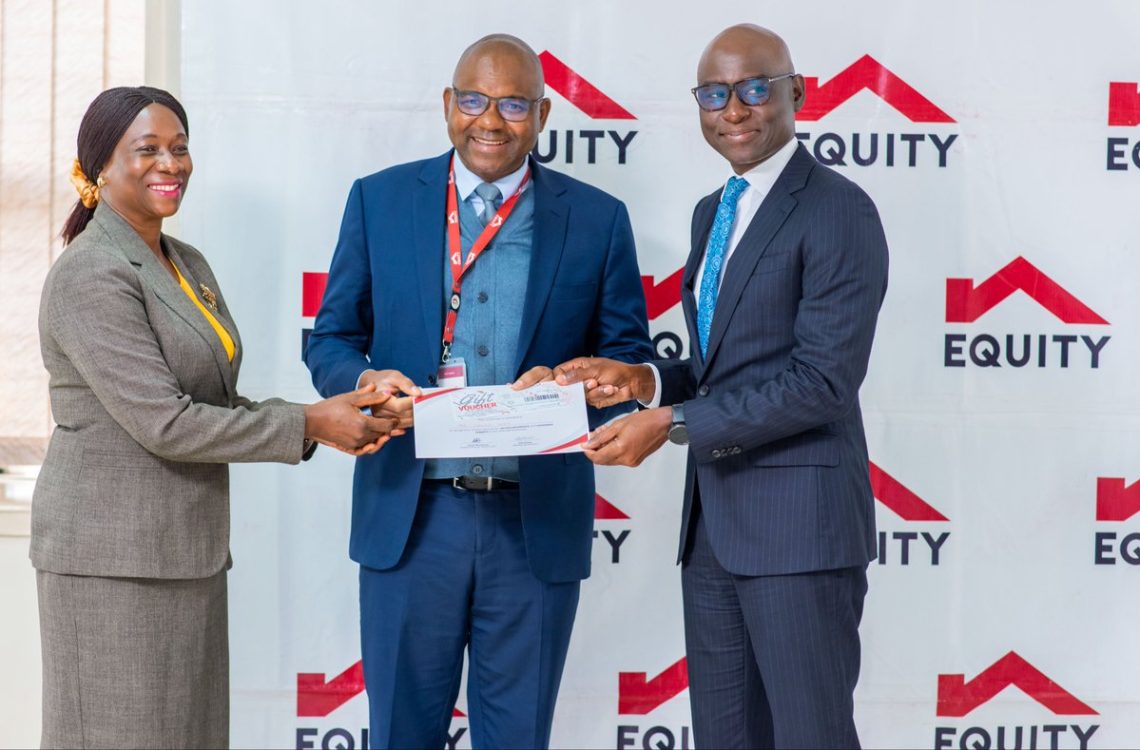
Equity Bank Uganda is deepening its imprint on Uganda’s economic and social landscape, with Managing Director (MD) Gift Shoko describing the institution as “one of the pillars holding Uganda’s financial system steady.”
His remarks came as the Equity Group released its Q3 2025 performance, offering new insight into how the bank is reshaping enterprise growth, agriculture, and refugee livelihoods.
The MD said the bank’s rising influence reflects its transformation from a traditional commercial lender into a broad-based development partner, noting that Equity has increasingly become a systemic player, adding, “We are not just a bank. We are an enabler of opportunity for households, communities, and the wider economy.”
Central to this agenda is a nationwide distribution network that reaches deeper into Uganda than most financial providers. With 50 branches supported by 10,000 agents and 20,000 merchants, Shoko described the system as a “national financial grid” that connects remote and urban communities alike. He explained that the wide reach is intentional, designed to ensure that no Ugandan is left out of the financial system.
“The rails we’ve built run directly to the last mile,” he said.
This network has enabled millions of low-income earners to access formal financial services, save, borrow, and build resilience. It also anchors the bank’s strong focus on Micro, Small and Medium Enterprises (MSMEs), where nearly 45% of Equity Bank’s lending portfolio is directed.

Shoko emphasized that small businesses form the “productive heartbeat” of Uganda’s economy, supporting over 70% of national business activity. By funding entrepreneurs, artisans, traders, and emerging innovators, the bank continues to nurture the country’s job creators and economic drivers.
Equity’s role extends firmly into agriculture, a sector that employs the bulk of Ugandans and shapes the nation’s food and export capacity. Shoko said the bank works closely with actors across the value chain, from smallholders and aggregators to processors and distributors, with the aim of strengthening productivity and market access, an approach aligning with the government’s Agriculture Transformation Model, ensuring that farmers acquire capital, adopt modern technologies, and enter formal markets that offer better returns.
Beyond traditional sectors, the bank is also redefining development possibilities within refugee communities. Equity remains the only financial institution with a presence across all of Uganda’s refugee settlements.
Through partnerships with the World Food Programme and the MasterCard Foundation, the bank has introduced financial literacy, entrepreneurship programs, and credit facilities that promote self-reliance. Shoko revealed that more than 20,000 refugee entrepreneurs have emerged from these interventions since the bank’s entry into Uganda in 2008, an outcome he described as “a symbol of hope and possibility in places where people often feel forgotten.”
He reiterated that Equity Bank’s mission goes far beyond profit motives. Whether supporting farmers, powering small enterprises, or building resilience in refugee communities, he said the institution remains committed to transforming lives at household level while strengthening Uganda’s broader development agenda.
“We are a significant actor in Uganda’s progress,” he concluded. “Our purpose is to give every Ugandan the chance to participate in the economy and benefit from its growth.”