




By BM
As Uganda edges closer to the 2026 general elections, the Electoral Commission (EC) has stepped forward to guide presidential aspirants on lawful fundraising, at a time when many of them are grappling with severe financial constraints.
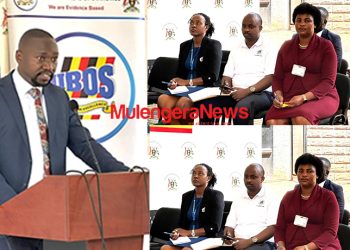
During a media briefing in Kampala, EC spokesperson Julius Mucunguzi clarified that while the law allows candidates to raise money for campaign activities, such efforts must strictly adhere to the provisions of the Presidential Elections Act.
The guidance, he said, aims to safeguard the credibility of Uganda’s electoral process and ensure transparency in how campaign funds are sourced and used.
Mucunguzi emphasized that candidates are permitted to mobilize funds from lawful local sources but are strictly prohibited from accepting donations from foreign governments, institutions, or individuals with intentions hostile to Uganda. “These safeguards are meant to protect our democracy from external manipulation and ensure that candidates remain accountable to Ugandans,” he noted.

Under the law, all presidential candidates are also required to maintain accurate financial records and submit detailed expenditure reports to the EC within 30 days after the elections.
Failure to comply or accepting money from prohibited sources could attract **severe legal penalties, including imprisonment or fines.
The Commission’s guidance comes as several presidential hopefuls, especially those from smaller political formations, struggle to raise funds for their campaigns.
Many have openly acknowledged that limited resources threaten to derail their efforts to reach voters across the country.
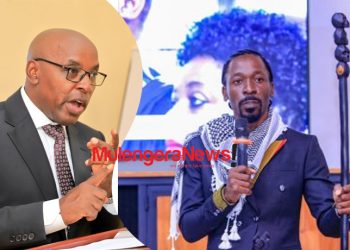
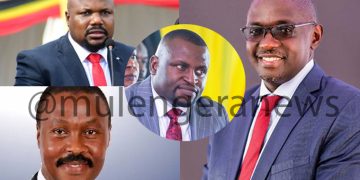
Maj. Gen. (Rtd.) Gregory Mugisha Muntu, the flag bearer of the Alliance for National Transformation (ANT), is among those who have turned to Ugandans for direct support.
Through small-scale fundraising drives, Muntu hopes to build a people-powered campaign that strengthens trust and accountability between leaders and citizens. “When people fund your campaign, you owe them integrity, not influence,” he said in an earlier interview.
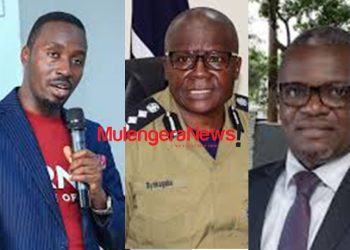
Similarly, Mubarak Munyagwa, the head of the newly formed Common Man’s Party, has been candid about his financial struggles, describing his campaign as “running on empty.” Despite this, he continues to rally support through community-level fundraising events, arguing that genuine leadership should be built on the goodwill of ordinary Ugandans rather than foreign financiers.
Meanwhile, National Unity Platform (NUP) candidate Robert Kyagulanyi, also known as Bobi Wine, continues to face government scrutiny over alleged foreign funding — claims his team has consistently denied.
The NUP maintains that its financial backing comes from Ugandans both at home and abroad who desire political reform.
The EC has assured the public that it will continue to monitor campaign financing closely, emphasizing that transparency and compliance are key to protecting Uganda’s democratic values.
Mucunguzi reminded all stakeholders that open, accountable fundraising not only strengthens public trust but also levels the political playing field.
“As the country moves into campaign season, our role as the Electoral Commission is to ensure fairness, legality, and transparency,” he said. “We want every candidate regardless of their resources to compete within the framework of the law.”
With this firm guidance from the EC, Uganda’s 2026 elections are shaping into a contest not just of ideas and popularity, but of integrity and compliance.
And for many cash-strapped candidates, lawful fundraising now represents both a survival strategy and a test of their commitment to democratic principles. (For comments on this story, get back to us on 0705579994 [WhatsApp line], 0779411734 & 041 4674611 or email us at mulengeranews@gmail.com).