





By Aggrey Baba
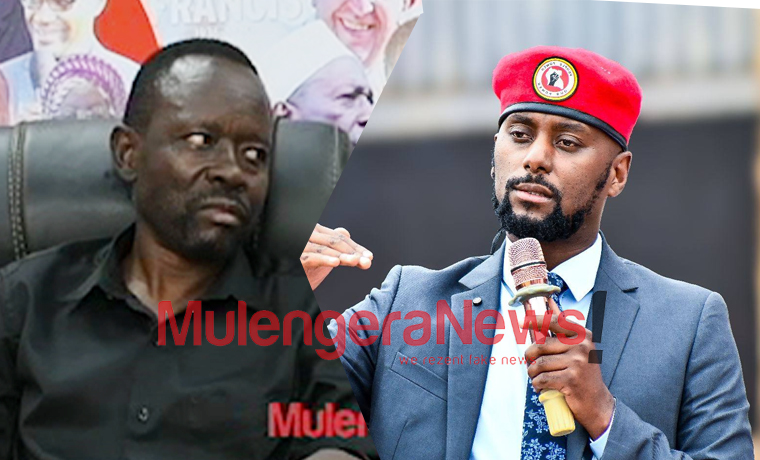
The legal petition recently filed by NUP secretary general and former Kampala Central MP aspirant Lewis Rubongoya against Minister for Kampala City Authority and Metropolitan Affairs, Minsa Kabanda is widely regarded as unlikely to succeed, with analysts describing it as largely symbolic.
Lawyer and political analyst Sentamu Mukasa Ssewandagi on Wednesday, told Mulengera News that Rubongoya’s effort to overturn the results faces near-insurmountable hurdles, explaining that Uganda’s courts rarely rule in favor of opposition candidates challenging NRM victories, particularly in constituencies where party structures, local alliances, and grassroots networks are firmly entrenched. The detailed video version of the Sewandagi interview can be accessed via this link: https://youtu.be/8lcBNtOLCUA.


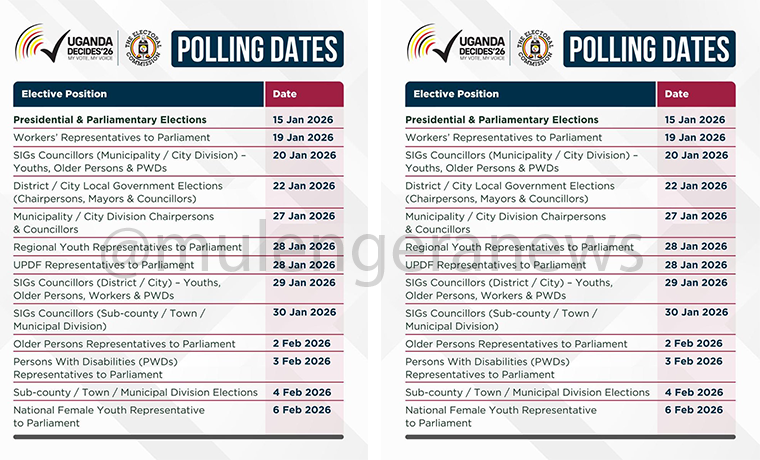
Kabanda won the January 15, 2026 parliamentary election with 22,280 votes, compared to Rubongoya’s 18,211. According to Ssewandagi, Kabanda’s long-term residence in Kampala and her close ties with the voters provided her with a strong foundation of support. He also highlighted the influence of outgoing Kampala Central MP Muhammad Nsereko, whose political weight and local networks and his bad relationship with NUP helped consolidate NRM backing and fragment opposition support.
Ssewandagi further argued that Rubongoya’s status as a relative outsider in Kampala hindered his ability to connect with voters, limiting his grassroots appeal. Combined with NRM’s deeply rooted political machinery, these structural realities make it highly unlikely that the courts will reverse the election outcome, regardless of the evidence Rubongoya presents.
The lawyer described Rubongoya’s petition as more of a symbolic gesture than a realistic attempt to change the result.
The legal challenge also reflects broader obstacles for opposition candidates in urban constituencies dominated by NRM, Ssewandagi noted, observing that entrenched party influence, local political alliances, and long-standing voter relationships give the NRM a structural advantage that opposition figures struggle to overcome.
He emphasized that Rubongoya’s defeat was a result of political dynamics and voter alignment rather than alleged manipulation or rigging of results.
In addition, Ssewandagi pointed to internal divisions within the opposition as a contributing factor. He said that previous rivalries and a lack of cohesive strategy limited Rubongoya’s ability to mobilize sufficient support, leaving him vulnerable to well-organized NRM campaigns. (For comments on this story, get back to us on 0705579994 [WhatsApp line], 0779411734 & 041 4674611 or email us at mulengeranews@gmail.com).