







By Aggrey Baba
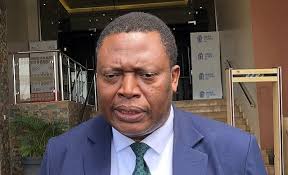
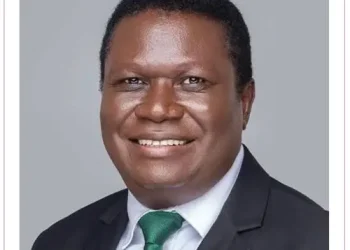
The removal of Uganda Airlines boss Jenifer Bamuturaki has brought back uncomfortable memories for both government and the public, with many now saying the problems facing Entebbe were warned about years ago but ignored.
The President’s decision to drop Bamuturaki and order a full management overhaul comes after the airline continued to post huge losses despite heavy government funding. The nation carrier is estimated to have lost more than UGX 230 billion, placing it among the worst-performing government entities.
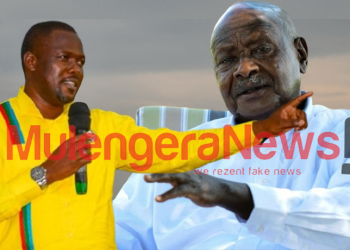
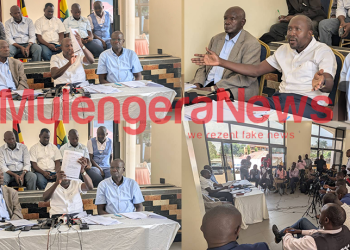
The issues first came to the surface in 2022 when Parliament’s Committee on Commissions, Statutory Authorities and State Enterprises (COSASE), then, chaired by the current leader of opposition opposition (LOP) Joel Ssenyonyi, investigated Uganda Airlines, raising concerns about mismanagement, leadership weaknesses and rising operational costs.
During the hearings, Bamuturaki revealed that she had been appointed by President Museveni without formally applying for the job. Questions were also raised about whether she met all the required qualifications at the time she took office.
As COSASE pushed deeper, Ssenyonyi reported pressure and threats to slow down the probe. He publicly said some people (including the speaker of Parliament Anita Among) wanted the committee to go easy on Bamuturaki. The hearings were widely covered by the media and attracted strong public attention.
However, the investigations later lost momentum, with the President later criticizing MPs, accusing them of using corruption probes to intimidate officials for bribes. He described the Uganda Airlines probe as politically driven and said corruption was rooted in Parliament itself.
Not long after, Speaker Anita Among intervened. Bamuturaki was called to the Speaker’s office, COSASE was asked to reduce the pace of its work, and the committee’s report on Uganda Airlines was blocked from being tabled in Parliament, citing leaks to the media, hence the matter going silent, yet the airline’s problems continued.
By late 2024, several aircraft were grounded, especially Bombardier planes whose spare parts were difficult to find. Flights were cancelled, passengers complained, and the airline’s financial troubles became more visible, with reports of top managers earning very high salaries despite the airline making losses, emerging at the same time.
Public opinion slowly shifted, with some people who had criticised Ssenyonyi also beginning to say that his warnings had merit and that early action might have saved the airline from deeper trouble. Pressure increased on Bamuturaki, and last month (January) the president ordered fresh investigations into the airline. Soon after, Bamuturaki sent an internal email to staff informing them that the board would advertise the position of chief executive and encouraging qualified staff to apply.
Her exit has now been confirmed, and sources say the President is considering appointing a former Ethiopian Airlines chief executive to lead Uganda Airlines. Ethiopian Airlines is widely seen as Africa’s most successful carrier.
Government sources say Museveni wants a new leadership team that can run the airline professionally, without internal conflicts or political interference, and guide it towards stability.
For many, the developments confirm that the issues raised during the COSASE probe were real, and what was dismissed as noise at the time has now become policy action.