






By BM
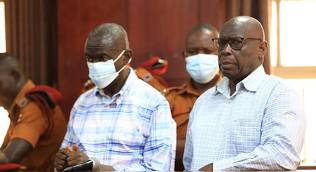
The Ugandan judiciary is facing intense backlash following a High Court ruling that denied bail to opposition leader Dr. Kizza Besigye, his aide Hajji Obeid Kamulegeya Lutale, and Capt. Denis Oola.
The court dismissed their mandatory bail application on the grounds that the 180-day constitutional threshold for pre-trial detention had not yet expired, ruling that the countdown only began in February 2025 when they were formally remanded by a civilian court excluding several months they spent in military detention.
The ruling has been met with widespread condemnation from political figures and activists, who argue that the decision exposes the manipulation of legal procedures to justify prolonged, politically motivated detention.
Critics say the court’s refusal to recognize the time spent in military custody under the defunct General Court Martial undermines constitutional protections and further erodes public confidence in the judiciary.

Among the most vocal critics is National Unity Platform (NUP) leader Robert Kyagulanyi Ssentamu, also known as Bobi Wine, who described the ruling on his facebook page as another example of legal formalism being used to deny justice.

He expressed frustration that after more than 260 days in detention without trial, the court continues to shield the state’s actions behind technicalities.
Kyagulanyi questioned the distinction being made between military and civilian courts, warning that such interpretations create confusion and chaos rather than uphold the rule of law.
Media personality and activist Robert Ssekidde, better known as Tuff B, also joined the chorus of criticism.


He called the court’s decision a serious blow to justice and fairness, pointing to the growing public perception that the legal system is being weaponized against political opponents.
He argued that the continued detention of Besigye and his co-accused without trial, despite the lapse of time, signals a deliberate effort to silence dissent under the guise of due process.
The three accused face treason charges tied to alleged attempts to overthrow the government, with prosecutors claiming they attended strategic meetings in Nairobi, Geneva, Athens, and Kampala.
They were reportedly abducted in Nairobi in 2024 after attending a book launch and were later detained without trial under military jurisdiction before their case was transferred to a civilian court.
Legal observers have noted that the High Court’s ruling sets a troubling precedent by failing to recognize all periods of state custody as part of the constitutional timeline for bail eligibility.
There are growing concerns that the exclusion of military detention from judicial consideration creates a loophole that can be used to detain individuals indefinitely without trial.
With no trial date set and pressure mounting from across the political spectrum, the case is becoming a focal point for national debate on judicial independence, human rights, and the shrinking space for political opposition in Uganda.