







By Guest Writer
After several years of unsustainable use of the fragile ecosystem, the youth from Orivu village in Vurra Sub-County, Arua District, have resolved to restore and protect Ezuku local forest reserve. For decades, the youth have heavily depended on sand mining along the Enyau wetland inside the Ezuku Forest Reserve. Known as the Orivu Sand Mining Group, the youth have heeded to government’s call to restore the local reserve forests that contribute to their livelihood.
This transformation has been possible through the Reducing Climate Change Vulnerability of Local Communities through Ecosystem-Based Adaptation (EbA) in Forest and Wetland Ecosystems Project, implemented by the Ministry of Water and Environment (MWE) with support from the UN Environment Programme (UNEP) and partners. The initiative promotes ecosystem-based adaptation to help communities build resilience to climate change.
From Sand Miners to Conservation Champions
For years, destructive sand mining has depleted biodiversity, polluted water sources and undermined livelihoods in the Ezuku Forest Reserve. To reverse the damage, the EbA project—working with the Forest Sector Support Department (FSSD) and Arua District technical teams—mobilised stakeholders, re-opened 7,299.2 metres of forest boundary and reclaimed 56.8 hectares (142 acres) of forest land for restoration.

The project directly engaged the Orivu sand miners, recognising their central role in both the degradation and the restoration process. After consultations, the group chose goat rearing as an alternative livelihood, and the EbA project provided 10 goats (8 female, 2 male) to launch the enterprise.

During a recent UNEP field visit, the group reported raising their herd to 22 goats in under six months, with 12 newborn goats, thereby proving the viability of the new venture.
“We used to earn by destroying nature, but now we earn by protecting it,” said the Chairperson of the Orivu Sand Mining Group. “The goats have restored our hope, and our forest is coming back to life.”
Restoring Ezuku: A Forest Reborn


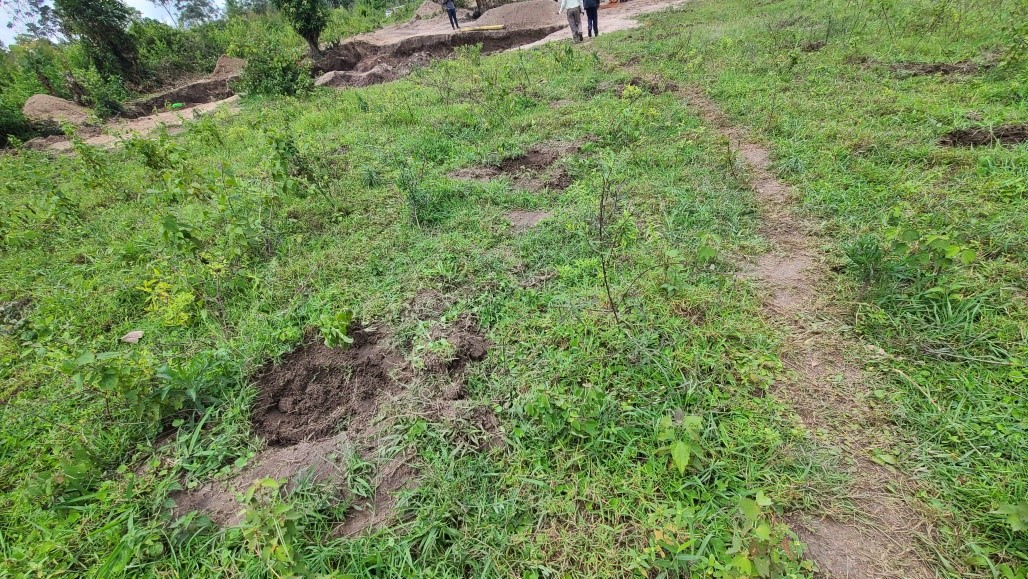
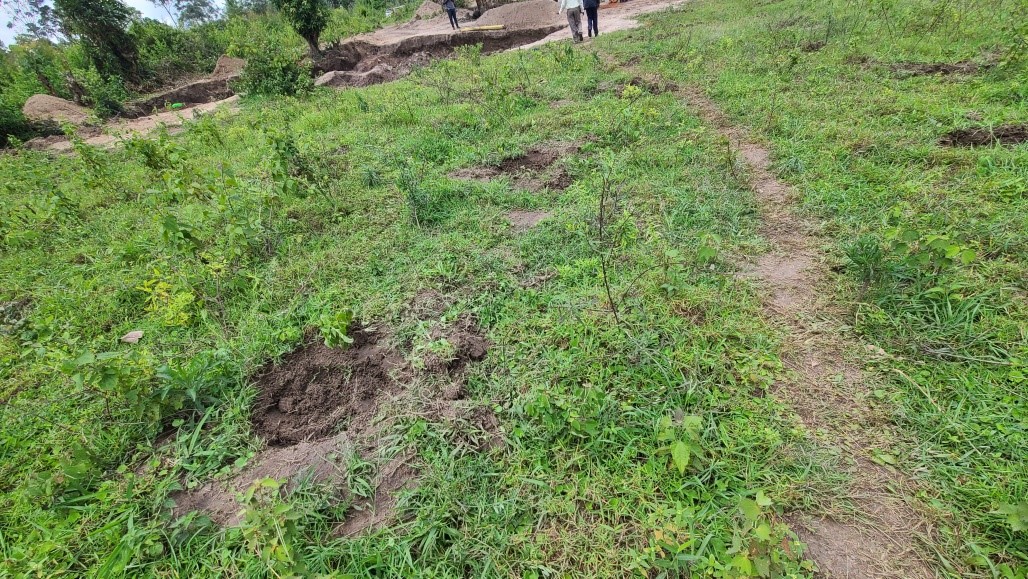
Armed with tree seedlings from the EbA project, the group restored the entire 56.9-hectare area by planting trees and refilling open sand pits. They turned a once-barren landscape—scarred by deep borrow pits—into a regenerating forest with young trees and healthy vegetation.
Former sand miners now advocate for conservation and demonstrate how sustainable livelihoods can shift behaviour and restore damaged ecosystems.
“The Orivu group’s success shows the impact of community-led restoration,” a UNEP field officer said. “When you link livelihoods with conservation, both people and nature benefit.”
Building Long-Term Sustainability
To secure their progress, the group has requested additional skills training in metal fabrication and welding. These skills will diversify their income and reduce any temptation to return to unsustainable practices such as sand mining.
Project teams also encouraged the group to start beekeeping within the restored forest. The area’s shade, nectar-rich trees and water make it ideal for honey production. Beekeeping will generate additional income and motivate continued forest protection.
A Model for Community Transformation
The Orivu Sand Mining Group’s journey demonstrates that communities once associated with environmental destruction can become powerful leaders in restoration when supported with practical alternatives and inclusive engagement.
Through the EbA project, the Ministry of Water and Environment and UNEP continue to help communities across Uganda restore degraded ecosystems, build climate resilience and secure a greener future for generations.