




 By BM
By BM
In a landmark move to safeguard the welfare of media practitioners, the African Centre for Media Excellence (ACME) in partnership with the Editors’ Guild of Uganda, has announced plans to launch a specialized insurance scheme tailored for journalists ahead of Uganda’s 2026 general elections.
The initiative, which has received strong backing from the Electoral Commission (EC), aims to provide journalists with critical health and accident coverage, particularly targeting those working as freelancers and in precarious employment conditions.
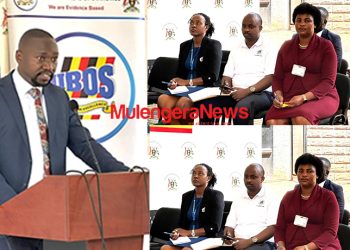
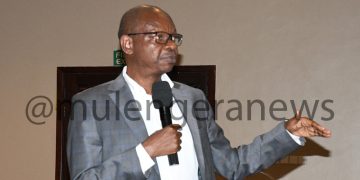
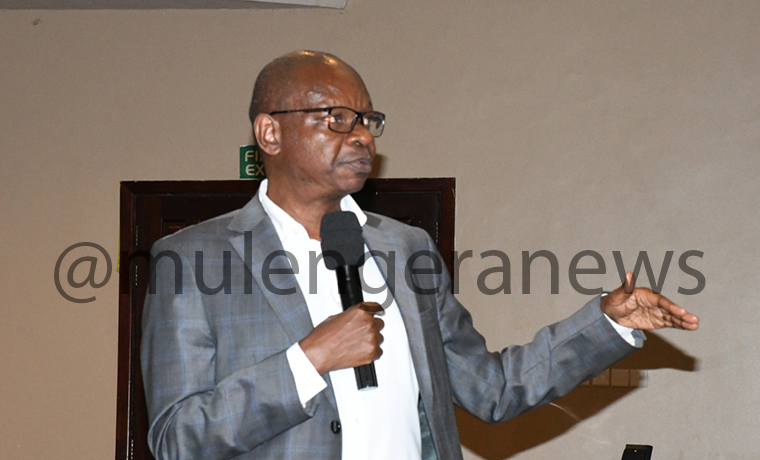
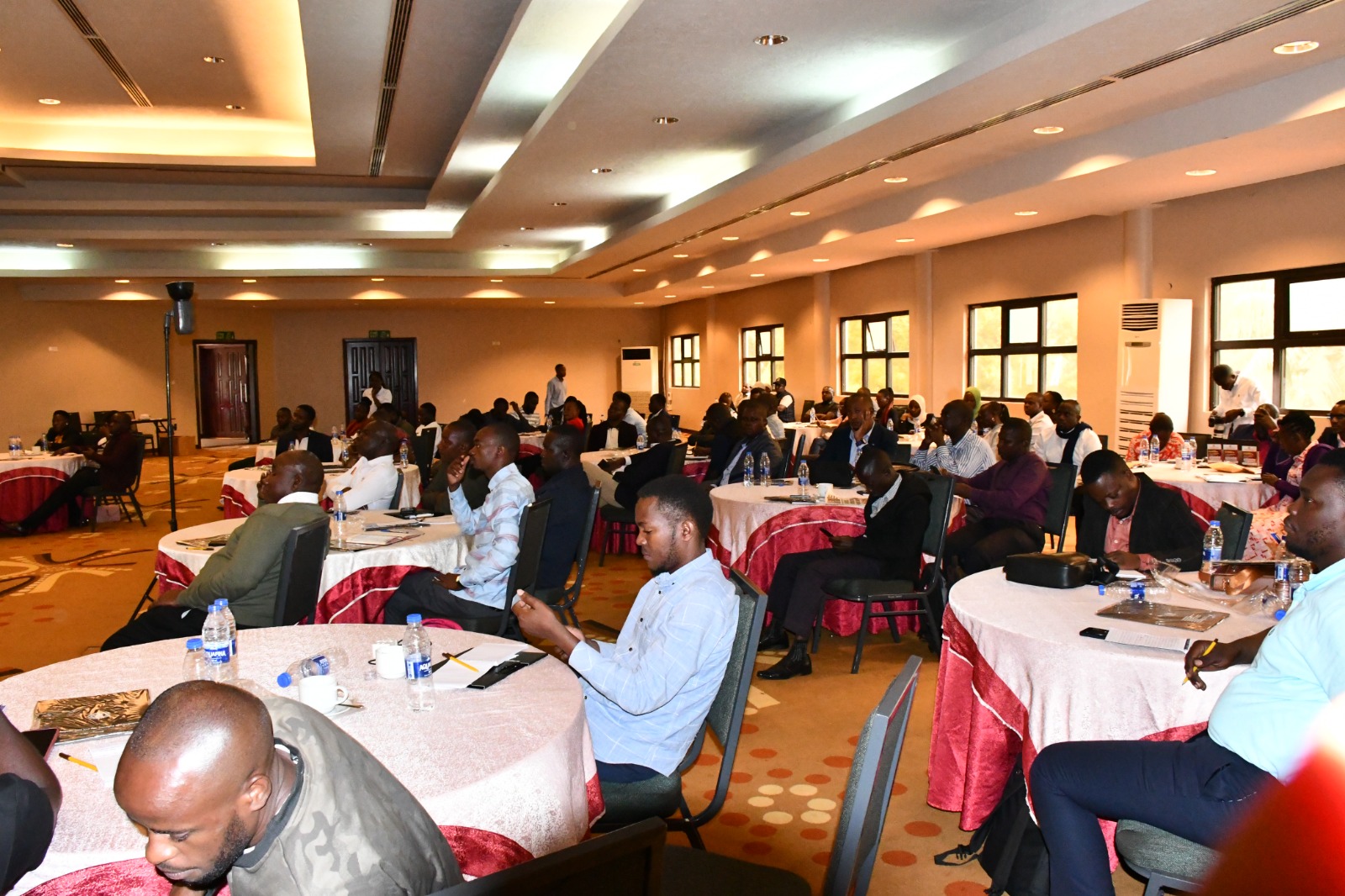
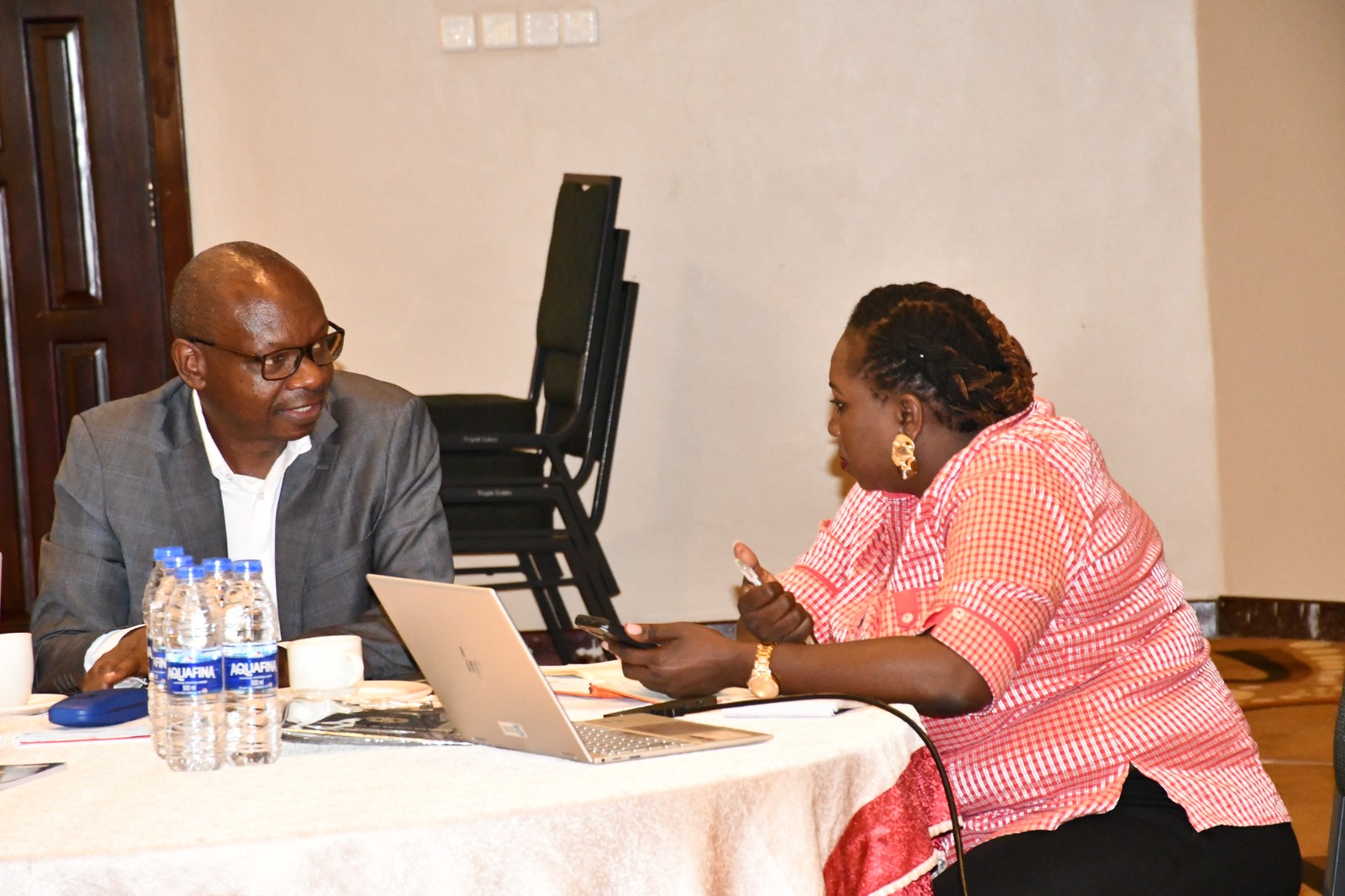
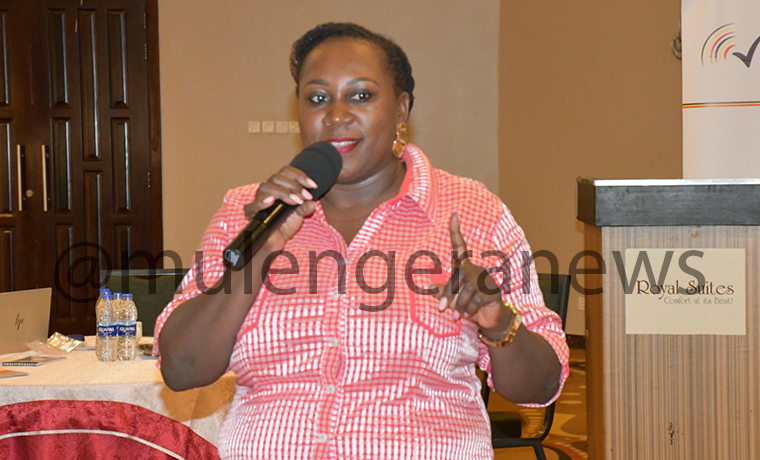
The announcement came during a media workshop on the electoral process held on Friday at Royal Suites in Bugolobi, Kampala, where Dr. George Lugalambi, Executive Director of ACME, emphasized the pressing need to bolster journalists’ safety and professional preparedness in an increasingly complex electoral environment.
“Our partnership with the Editors’ Guild is geared towards ensuring that journalists are equipped not only to deliver accurate and contextualized election coverage but also to protect them physically and legally while doing so,” Dr. Lugalambi stated.
He elaborated that the insurance scheme is a critical response to the realities many journalists face in Uganda, particularly the significant number who work without employment contracts or medical insurance.

According to Dr. Lugalambi, many journalists operate independently, lacking the institutional support systems typically afforded to full-time employees.
Even employed journalists often find themselves without adequate medical coverage or protections when covering potentially volatile political events.
The new insurance scheme, developed in collaboration with the Uganda Publishers Union and funded largely by ACME’s development partners, aims to fill this critical gap.
“We aim to launch this service by November 2025, ahead of the most intense election activities, but it is not just a short-term intervention. We plan for it to be available for at least two to three years beyond the elections to continually support journalists’ welfare,” he explained.
The insurance program will be affordable and accessible, with details on contributions still being finalized.
Dr. Lugalambi noted that the initiative is as much about improving journalists’ wellbeing as it is about enhancing their capacity to provide systematic, professional election coverage.
The 2026 elections, he said, will unfold in a vastly different media landscape compared to previous years. “The last elections were digital, but now we must also contend with new technologies such as artificial intelligence. These tools offer both opportunities and risks, and journalists must be trained to navigate this evolving landscape responsibly,” Dr. Lugalambi said.
He further stressed the importance of verification and context in reporting, cautioning against the misuse of digital content.
“Photos or videos can be taken out of context and manipulated to spread misinformation. Journalists have a duty to provide the correct background to ensure the public receives accurate information.”
The workshop also addressed the crucial issue of physical safety for journalists covering elections in Uganda, a country where past polls have occasionally been marred by violence and intimidation against the press.
Dr. Lugalambi recounted how journalists have been assaulted during previous elections and explained that the insurance scheme is part of a broader strategy to improve their personal security.
Supporting the initiative, Julius Mucunguzi, spokesperson for the Electoral Commission, underscored the importance of peace and non-violence during the election period as the ultimate safeguard for journalists and all electoral stakeholders.
“The best insurance against the negative effects of elections is peace. Violence harms everyone journalists, voters, candidates, businesses. We urge all Ugandans to participate in elections as a peaceful, civic process, not a conflict,” Mucunguzi said.
While commending the insurance proposal, Mucunguzi urged citizens and media practitioners to complement such efforts with broader welfare initiatives, such as savings groups and investment clubs, to build long-term financial security.
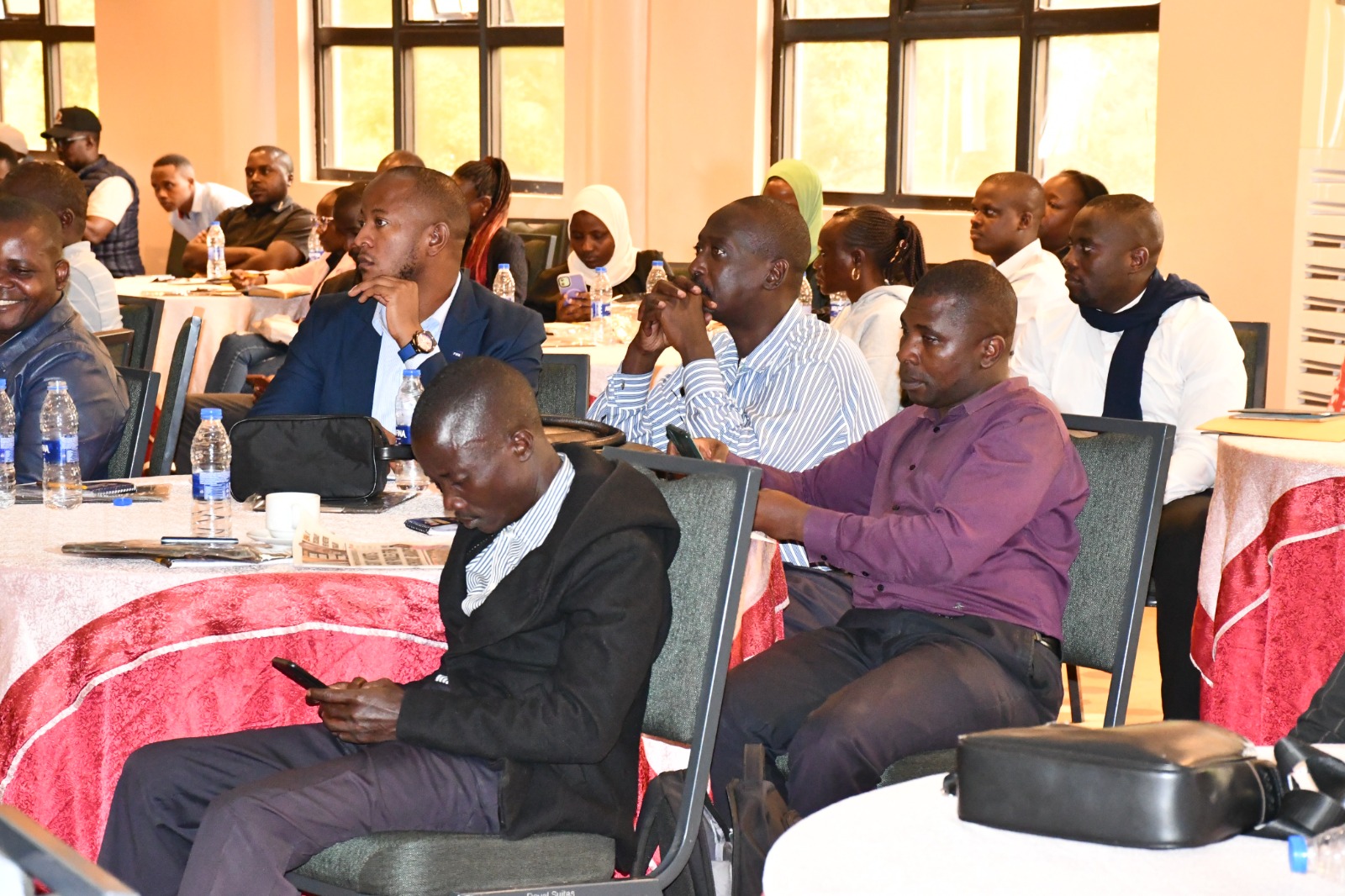
The media workshop brought together editors, reporters, media owners, and communication professionals to discuss strategies for credible, transparent, and safe election coverage.
The sessions highlighted the evolving role of the media in Uganda’s democratic process and the need for ongoing support and protection of journalists.
By investing in media welfare through this insurance initiative and enhancing journalists’ capacity to handle digital misinformation and personal security challenges, ACME and the Editors’ Guild, with the Electoral Commission’s backing, hope to foster a media environment that upholds democratic values and ensures the public receives reliable election information.
As Uganda prepares for its 2026 elections, such collaborations between media organizations and electoral bodies signal a progressive step towards protecting the essential role of journalists in the democratic process, while addressing the practical challenges they face on the ground. (For comments on this story, get back to us on 0705579994 [WhatsApp line], 0779411734 & 041 4674611 or email us at mulengeranews@gmail.com).