







By Mulengera Reporters
The World Bank has hailed Uganda’s Generating Growth Opportunities and Productivity for Women Enterprises (GROW) Project for adopting a comprehensive approach to supporting women entrepreneurs, combining access to finance with business training, infrastructure, childcare and interventions targeting social barriers.
Serena Cavicchi, Senior Social Development Specialist at the World Bank and Task Team Lead for GROW Project in Uganda, said the project stands out because it brings together interventions that are often implemented separately in other women’s economic empowerment programmes.
“Other similar projects have either the livelihood aspect, the financing aspect, the infrastructure aspect, but GROW puts it all together,” Cavicchi said.

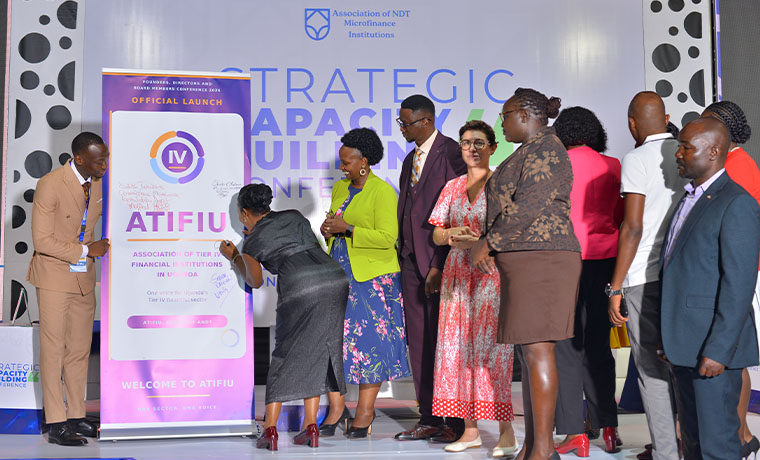
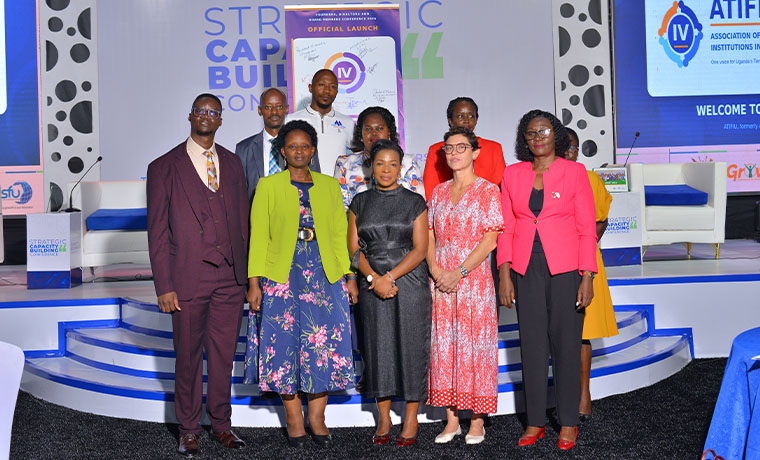
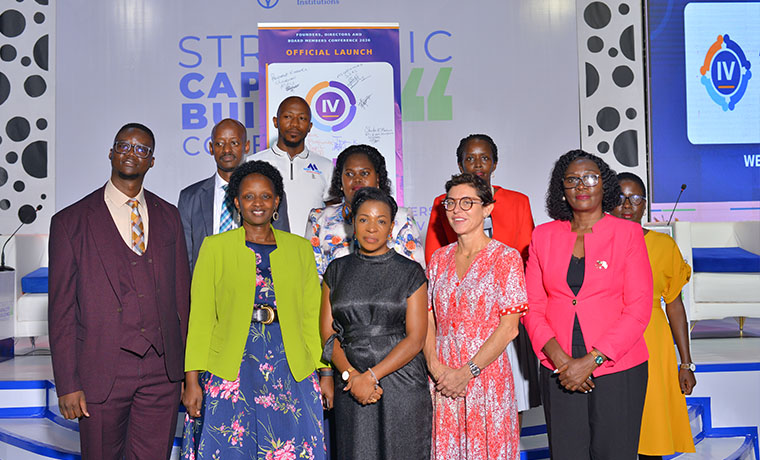
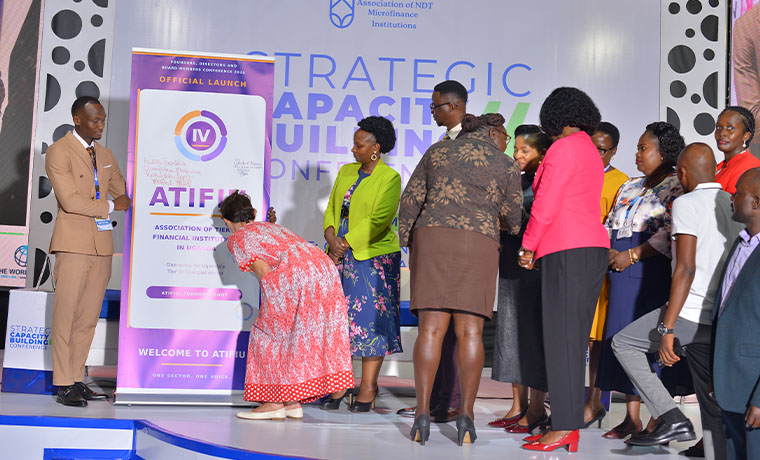
She was speaking during the closing day of a two-day Strategic Capacity Building Conference at Motiv Creation Centre in Bugolobi, Kampala, organised by the Private Sector Foundation Uganda (PSFU) through the GROW Project.

The conference was held under the theme “Built to Last: Governance, Leadership and Transformation for Sustainable Tier IV Institutions.”
Cavicchi said GROW is designed to address several barriers that women entrepreneurs face, including limited access to finance, inadequate business skills, social and cultural constraints, lack of productive infrastructure and childcare responsibilities.
She described the project as a unique initiative that is testing approaches that are not widely implemented together in other countries.

“GROW is a very unique project because it’s trying to do very many things, and some of them require a lot of time,” she said.
Expanding access to finance
Cavicchi said the project is working with banks, microfinance institutions and SACCOs to improve women’s access to financing, while also addressing some of the social and environmental requirements that can affect access to credit.
She said GROW is examining social norms at household and family level that can influence women’s ability to access and utilise larger loans to grow their businesses.
The project is also working to strengthen women’s economic networks and platforms, which Cavicchi said can help entrepreneurs connect with one another and potentially improve their businesses.
Building business skills
Beyond financing, GROW has developed several training programmes aimed at helping women entrepreneurs strengthen their businesses.
Cavicchi said the project partnered with Makerere University Business School to develop a business core course designed for women who already have businesses but need additional knowledge and skills to scale them.
She described the programme as a “compressed MBA” covering business methodologies and management skills.
The project has also introduced apprenticeship programmes that connect women seeking specialised skills with companies willing to provide practical training.
In addition, GROW provides specialised business development services to enterprises considered to have high growth potential, with support tailored to the needs of individual businesses.
Infrastructure and technology
Cavicchi said GROW is also investing in and rehabilitating common-user facilities where women entrepreneurs can process and add value to their products without having to invest in expensive machinery individually.
The project is also exploring innovative approaches, including artificial intelligence and impact evaluation, to better understand what works in supporting women-owned enterprises.
Cavicchi said the project also monitors social developments and tensions, particularly in refugee-hosting districts, that could affect businesses.
Childcare, wellbeing support
The World Bank official said GROW’s interventions extend beyond conventional business support to areas such as childcare and psychosocial wellbeing.
She said the project has supported efforts around childcare policy for children aged zero to three years while seeking to stimulate private-sector investment in childcare facilities.
The initiative is also exploring psychosocial and mental health support for women entrepreneurs, who Cavicchi said often experience significant pressure from managing businesses while meeting household and childcare responsibilities.
“Some of the research we’ve been doing lately shows that they’re really constantly under stress,” she said.
According to Cavicchi, making such support services more accessible could improve the wellbeing of women entrepreneurs and, ultimately, their productivity.
Project seeks wider awareness
Cavicchi urged stakeholders working with GROW to become ambassadors for the project by helping women entrepreneurs understand the range of services available to them.
She said wider awareness would ensure that more potential beneficiaries can access appropriate support while also helping stakeholders identify areas that could be incorporated into future programmes.
GROW is a $217 million Government of Uganda initiative funded by the World Bank and implemented through the Ministry of Gender, Labour and Social Development in partnership with PSFU.
The project seeks to help women transition their enterprises from micro to small and from small to medium-sized businesses while improving productivity. It operates across Uganda, with particular attention to women in refugee-hosting districts and host communities.
Cavicchi said the project’s experience could also inform future efforts to help women-owned businesses move beyond domestic markets and eventually participate more actively in regional and international trade.