






By Ben Musanje
Prime Minister Robinah Nabbanja has issued a blunt warning over what she described as wasteful government spending, poor project management and questionable use of borrowed funds, directing the Presidential Advisory Committee on Budget (PACOB) to subject every government expenditure to tougher scrutiny.
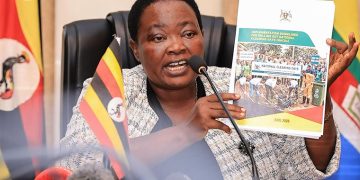
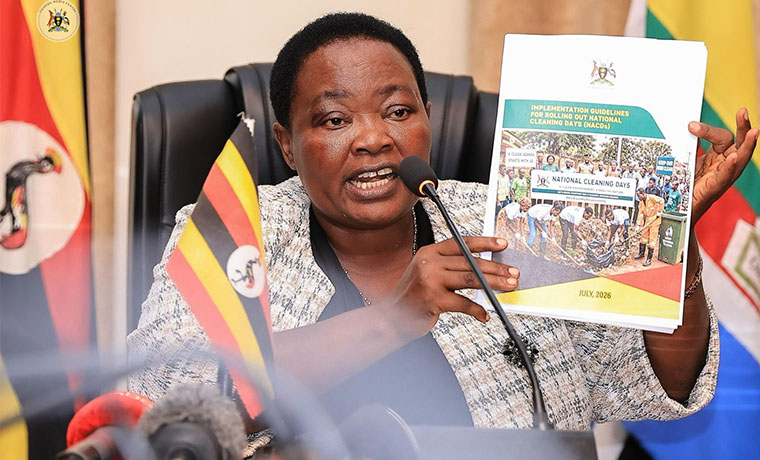
Speaking to PACOB members at her office in Kampala on Friday, Nabbanja said Uganda could no longer afford to borrow money for projects when government agencies were not prepared to implement them efficiently.
She said the failure to synchronize borrowing, project preparation and implementation was exposing government to unnecessary interest costs, contractor surcharges and potential losses.

“We have been acquiring or borrowing money when in actual sense we are not ready,” Nabbanja said.

She cited road projects as an example, saying government sometimes borrows for construction before the necessary resources and preparations are in place.
“We borrow money for a road and the government is not ready with the money to pay the [contractors]. We start paying interests. The contractors start now charging us surcharge,” she said.
‘Is that not robbery?’

Nabbanja also raised concerns over what she described as actions by some technical officials involved in projects before construction begins.
She said officials had, in some cases, acquired plots of land along planned road corridors and constructed structures even when the projects themselves were not ready.
She recalled encountering a project where structures had been put up despite there being little or nothing inside them.
“I felt embarrassed. I felt that these Ugandans, my dear brothers and sisters, do you look at that as robbery?” she asked.
Her remarks put renewed focus on how government projects are planned, supervised and protected from waste before taxpayers are left to meet the bill.
Ministries returning money as schools face shortages
The Prime Minister further questioned why ministries, departments and local governments were returning unspent wage allocations while critical sectors continued to face staffing shortages.
She specifically pointed to the education sector, saying the absence of teachers was placing an additional burden on parents.
“We have seen ministries, departments and local governments returning money for wage,” she said. “And yet… we don’t have teachers. They are making our parents to pay through their [own] laws.”
Nabbanja blocks NUSAF funding model
Nabbanja also revealed that she had rejected the proposed financing arrangements under the Northern Uganda Social Action Fund (NUSAF), arguing that the programme needed to be redesigned to ensure borrowed money delivers greater value to households.
She said she had directed officials to renegotiate the arrangement with the Bank of Uganda, after raising concerns about how hundreds of billions of shillings were proposed to be spent.
According to Nabbanja, Shs370 billion was earmarked for activities involving people digging roads manually, with a proposed daily payment of Shs700,000.
“I don’t know how it passed here,” she said, questioning why such an arrangement would be adopted when NUSAF had already acquired machinery in districts.
“I have put my feet down. I have explained this to the president and the president has accepted. The president has said renegotiate.”
She also questioned the broader allocation of borrowed resources, saying Uganda was borrowing close to Shs1 trillion, while only a fraction was being directed toward household income initiatives.
PACOB told to put priorities first
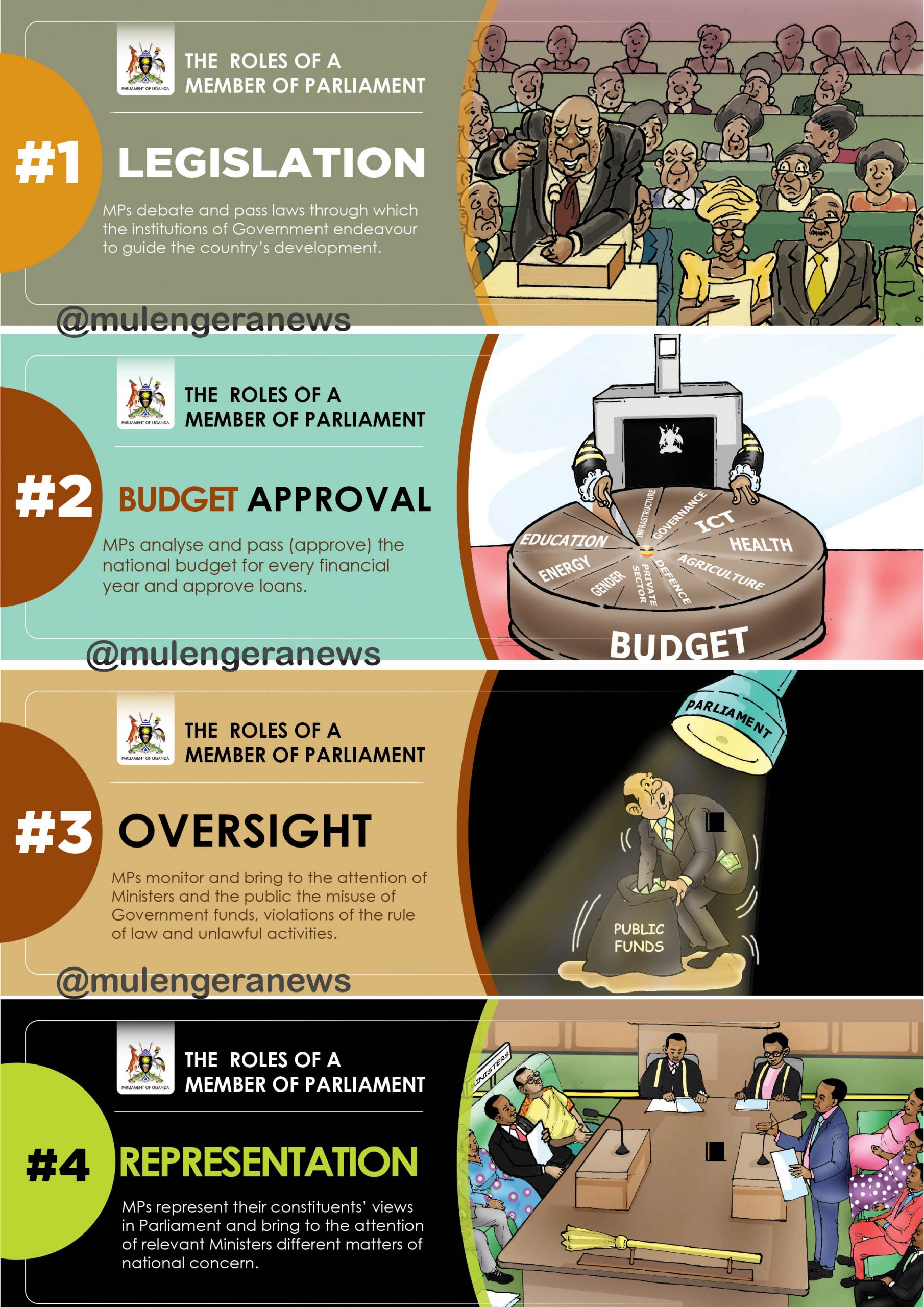
Nabbanja instructed PACOB to go beyond simply reviewing budget figures and instead identify what she called “priorities within priorities.”
She said the committee should apply four tests when examining government spending, beginning with strategic alignment — whether proposed expenditure advances the country’s National Development Plan IV.
PACOB was established by President Yoweri Museveni to advise, monitor and track the formulation and implementation of the national budget across government sectors.
Nabbanja’s message to the committee was clear: government must stop treating borrowed money as free money.
Every shilling, she said, must be subjected to scrutiny before it is committed, particularly where projects can generate interest costs, penalties or questionable returns.
She officially launched PACOB’s activities for the 2027/28 financial year, charging the committee with a more critical examination of public expenditure.
“Therefore, identify priority. PACOB must therefore identify priorities within priorities,” Nabbanja said. (For comments on this story, get back to us on 0705579994 [WhatsApp line], 0779411734 & 041 4674611 or email us at mulengeranews@gmail.com).