





By Guest Writer
For many businesses, growth is not constrained by demand or ambition. It is constrained by access to capital. Whether expanding production capacity, increasing distribution reach or investing in more efficient operations, acquiring the right assets often requires significant upfront expenditure that can place pressure on cash flow.
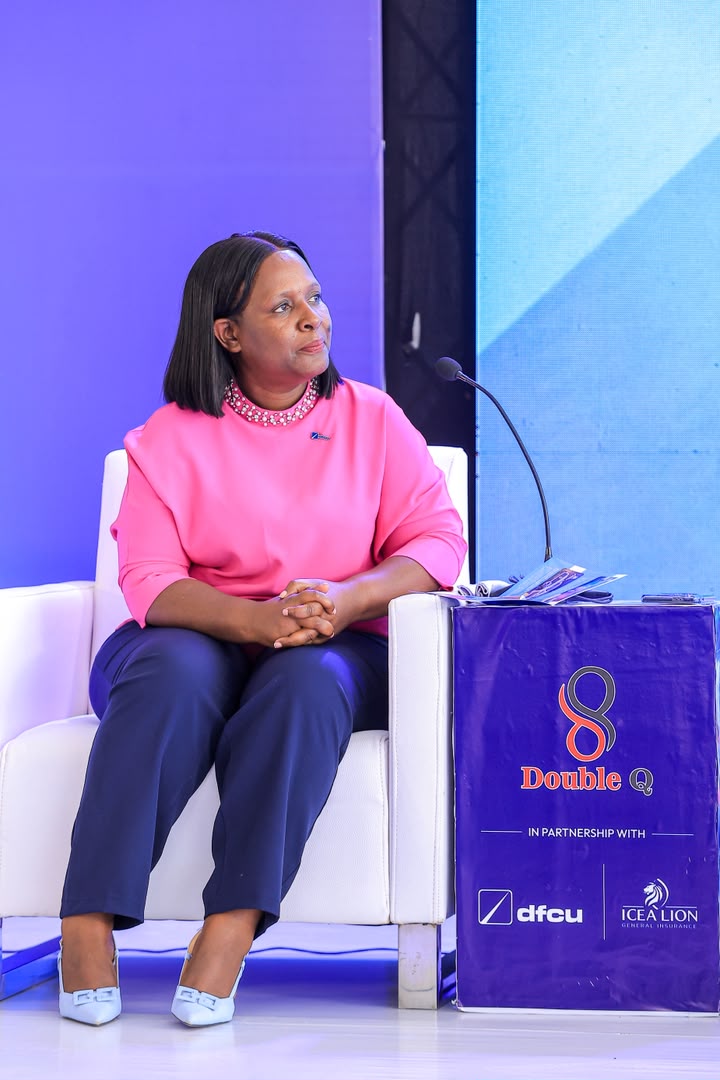
As Uganda’s economy continues to expand, asset finance is playing an increasingly important role in helping businesses invest without compromising liquidity. Through its Vehicle and Asset Finance proposition, dfcu Bank is supporting enterprises across sectors to acquire the equipment, machinery and mobility solutions they need to grow. In this interview, Gloria Ssuuna Namutebi, Head – Vehicle and Asset Financing at dfcu Bank, discusses the evolving role of asset finance, the importance of preserving working capital and how strategic partnerships are making asset ownership more accessible.
Q: What exactly is dfcu’s Vehicle and Asset Finance proposition today, and what challenge is the Bank solving?

GLORIA: Many people hear Vehicle and Asset Finance and immediately think about buying a car. The proposition is much broader. At dfcu, we finance productive assets that help individuals and businesses grow, whether that is a vehicle, tractor, medical machine, construction equipment, manufacturing line or solar installation. The objective is to remove the barrier created by large upfront capital requirements.

Many viable businesses delay expansion because they cannot purchase critical assets outright. Vehicle and Asset Finance enables them to acquire those assets immediately and spread repayments over time in line with their income and cash flow. The offering is available to salaried individuals, sole proprietors, SMEs, corporates, partnerships, investment clubs and women-owned businesses. Depending on the customer, asset and structure, facilities range from UGX 1 million to more than UGX 15 billion.
Q: What types of assets does dfcu finance?
GLORIA: We finance good-quality new and used passenger vehicles, trucks and buses, as well as tractors, irrigation systems, construction and earth-moving equipment, manufacturing and processing machinery, medical equipment, generators, printing equipment, milk coolers and solar installations. The key consideration is that the asset must be movable, identifiable and insurable.

Our approach is sector-led. A contractor, farmer, school, hospital and manufacturer all operate under different commercial conditions, so the financing structure must reflect how each business earns and uses cash.
Q: One of the biggest barriers to acquiring vehicles and machinery is the upfront cost. How far can dfcu go in financing an acquisition?
GLORIA: A sound business opportunity should not be lost simply because the equipment required involves a substantial upfront investment. Depending on the customer’s financial profile, source of income and the type and age of the asset, financing can extend to 100% of the asset value. Facilities start from UGX 1 million and can exceed UGX 15 billion for larger transactions.
General repayment periods range from 12 to 84 months, while selected partnership arrangements may provide different terms for specific assets. The financing percentage and tenor are determined by affordability, cash-flow strength, the customer’s track record and the asset being acquired.
Q: What determines how much a customer must contribute?
GLORIA: The standard benchmarks are generally up to 90% financing for brand-new assets and up to 80% for used assets. The final structure depends on the customer segment, asset type, income profile and quality of the financial records presented. Selected customers may qualify for 100% financing, subject to assessment. Where cash flows are weak, irregular or insufficiently documented, a higher contribution may be required.
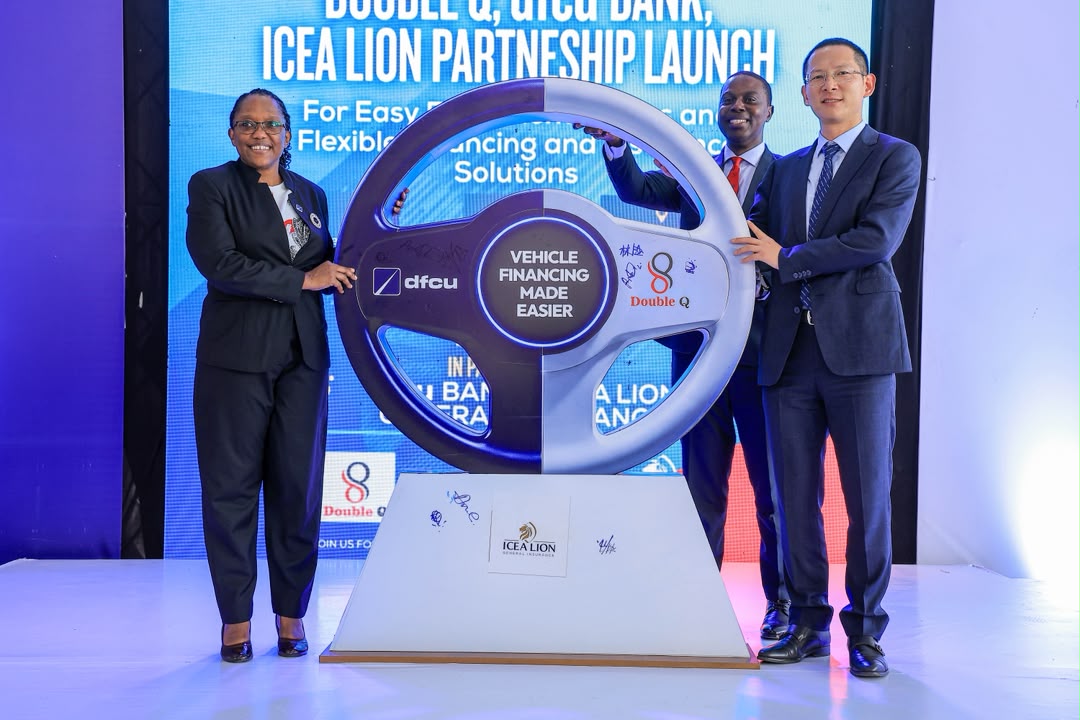
Q: dfcu recently partnered with Double Q and ICEA LION. What does this offer beyond a conventional vehicle loan?
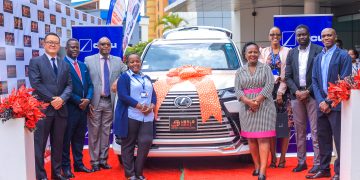
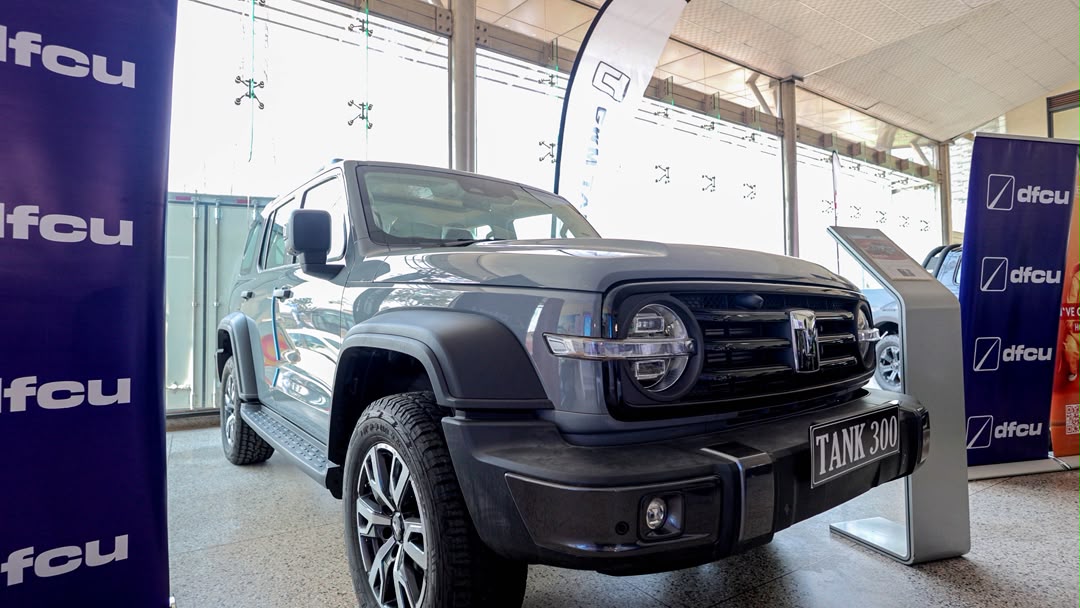
GLORIA: The partnership brings the different elements of asset ownership into one solution. dfcu provides financing, Double Q supplies vehicles and equipment together with technical support, genuine parts, maintenance and warranties, while ICEA LION provides insurance.
For the customer, this means financing, supply, cover and after-sales support are coordinated rather than sourced separately. Qualifying customers can access up to 90% financing for commercial assets and up to 100% for selected passenger and electric vehicles, with flexible repayment terms. The Double Q partnership also broadens access to electric and hybrid mobility, which can help customers manage fuel costs and transition towards cleaner transport options.
Q: What opportunity does dfcu see in financing agricultural machinery, given the sector’s seasonal cash flows?
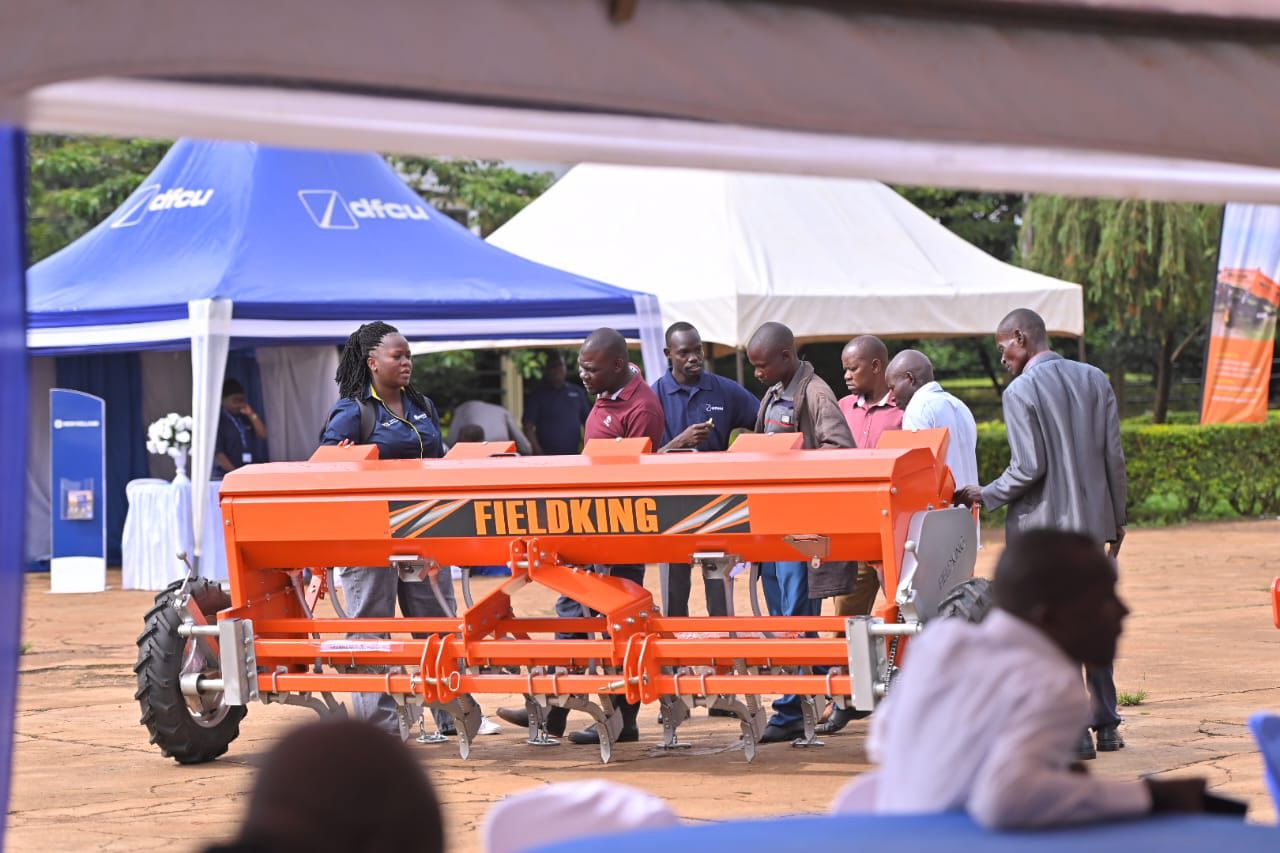
GLORIA: Agriculture demonstrates why asset finance must reflect commercial realities. Farmers and agribusinesses need machinery to expand acreage, improve productivity, reduce losses and strengthen value chains, but their income is often seasonal.
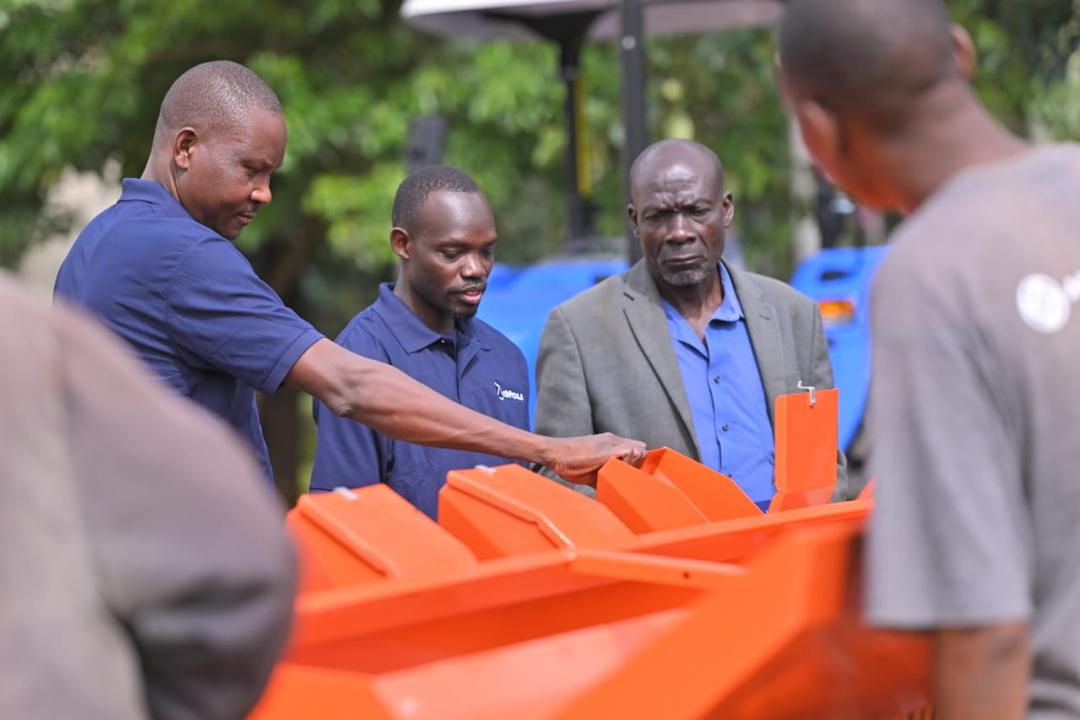
Through our partnership with Meta Plant & Equipment Uganda, eligible customers can access up to 90% financing for agricultural machinery. Repayments can be structured around seasonal cash flows rather than imposed as a rigid one-size-fits-all schedule. The partnership also gives customers access to after-sales support through regional service centres, reducing the need to travel to Kampala for servicing.
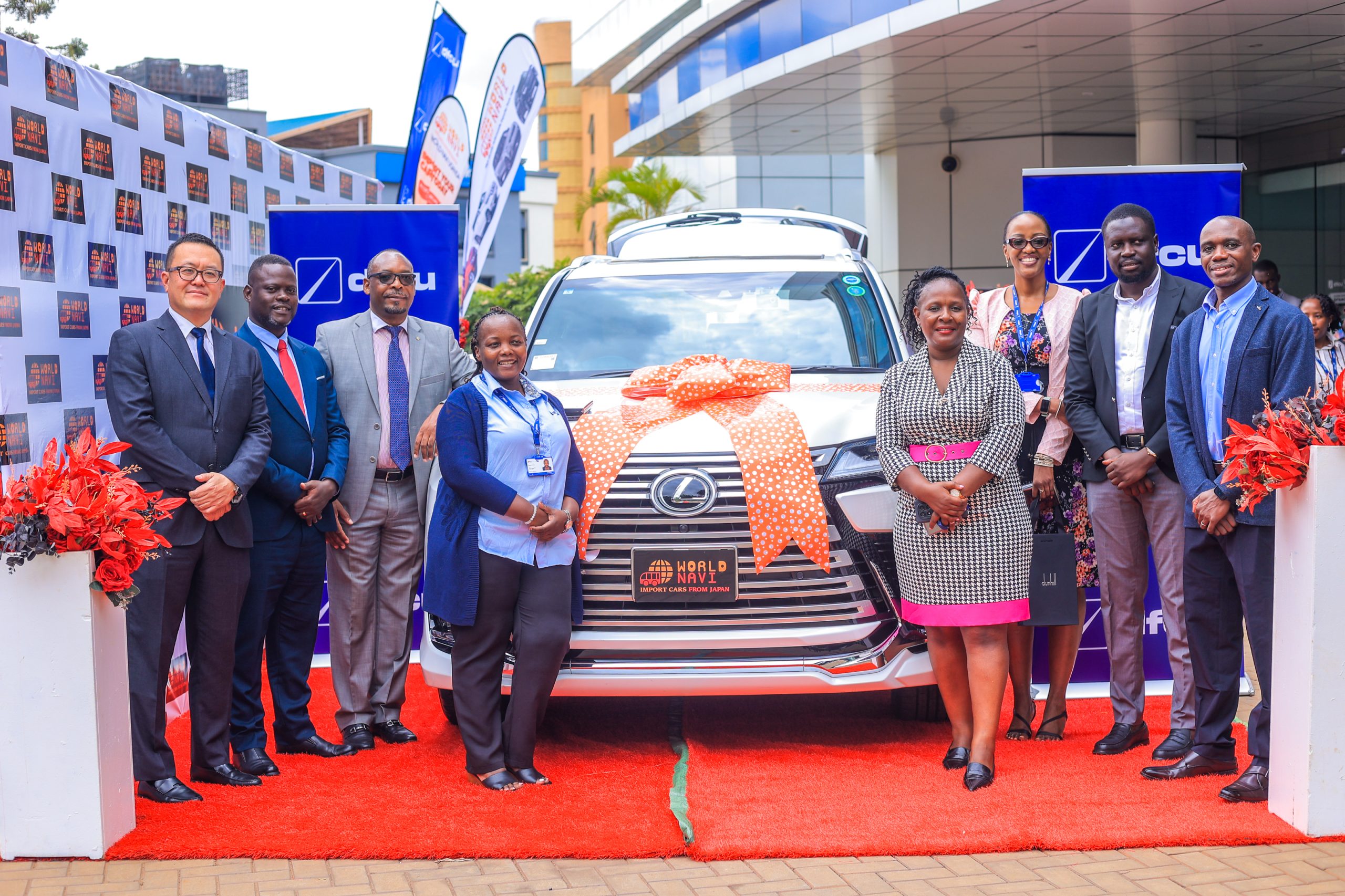
Q: dfcu also partnered with World Navi to facilitate vehicle imports from Japan. How does this make used-vehicle ownership safer and more affordable?
GLORIA: Pre-owned vehicles remain important to mobility in Uganda, but customers need confidence in the sourcing process and the condition of the vehicle. Through World Navi Company Limited, vehicles are sourced and inspected before shipment from Japan.
dfcu complements this with loan and leasing options for qualifying customers, insurance, warranty support and repayment tenors of up to seven years for eligible vehicles. This gives customers a more structured and transparent route to acquiring a used vehicle than managing each part of the transaction independently.
Q: If an SME owner has UGX 200 million and needs a truck of the same value, why borrow and incur interest instead of paying cash?
GLORIA: The decision should be based on capital efficiency, not simply on whether the cash is available. Spending the full UGX 200 million on a truck may leave the business without sufficient liquidity for fuel, inventory, salaries, contract execution or unexpected costs.
Asset finance allows the business to preserve working capital while putting the truck to work immediately. The relevant comparison is between the cost of financing and the return the business can generate by retaining and deploying its cash elsewhere. When structured responsibly, the asset generates income that contributes to its own repayment while the business maintains the liquidity required to operate and expand.
Q: What does the application process involve, and how long can it take?
GLORIA: The customer first identifies the asset and obtains a pro forma invoice from the dealer. The financing application and proof of income are then submitted to dfcu for an assessment of affordability and cash flow. If approved, the Bank issues an offer letter and, once the required documentation is completed and delivery confirmed, pays the dealer.
Where the asset is available in stock and all documents have been submitted, the process takes about 15 working days on average. Customised or imported assets may take longer because manufacturing, shipping and delivery must be completed.
Q: Is the financed asset sufficient security, and can a newly established business qualify?
GLORIA: The financed asset is self-securing in most cases, with the Bank’s interest registered through a chattel mortgage. Additional security is not ordinarily required unless the specific risk profile calls for it.
A newly established business may qualify where it has a strong, verifiable income source, such as a credible contract with a reputable off-taker. Where reliable cash flows or an operating track record cannot be demonstrated, the business may need to build a banking history before it can access asset financing. Personal customers can be assessed using their employment contract and salary income.
Q: What should a business owner consider before taking asset finance?
GLORIA: The starting point should be the commercial value of the asset. A business should be clear about how the asset will improve productivity, reduce costs, fulfil contracts or generate additional revenue. It must also assess whether projected cash flows can support repayments without weakening day-to-day operations.
Asset finance works best when the facility is matched to the useful life of the asset and the income it is expected to generate. Used that way, it becomes a capital-allocation tool that supports sustainable growth rather than simply another debt obligation.
CONCLUSION
Asset finance is increasingly becoming a strategic business tool rather than simply a source of funding. By enabling businesses to acquire productive assets while preserving cash for operations and expansion, it supports growth in a way that aligns investment with revenue generation.
For dfcu, the objective extends beyond financing vehicles or equipment. It is about helping businesses deploy capital more effectively, improve productivity and seize opportunities when they arise. As demand for modern equipment, mobility solutions and mechanisation continues to grow, flexible asset financing will remain an important enabler of enterprise growth and economic development in Uganda.