








By Aggrey Baba
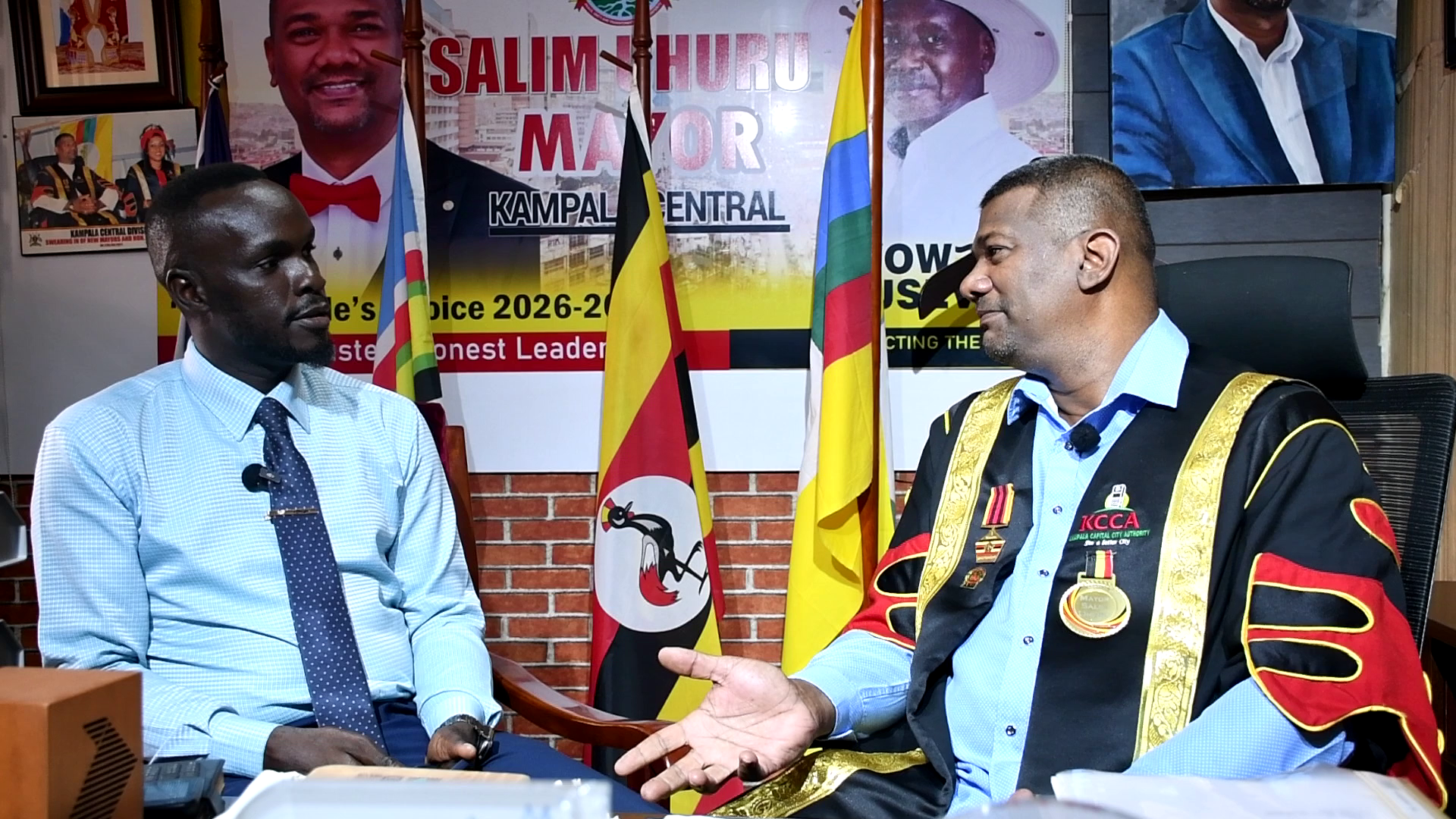
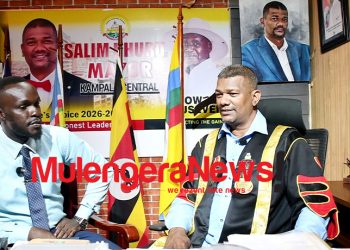
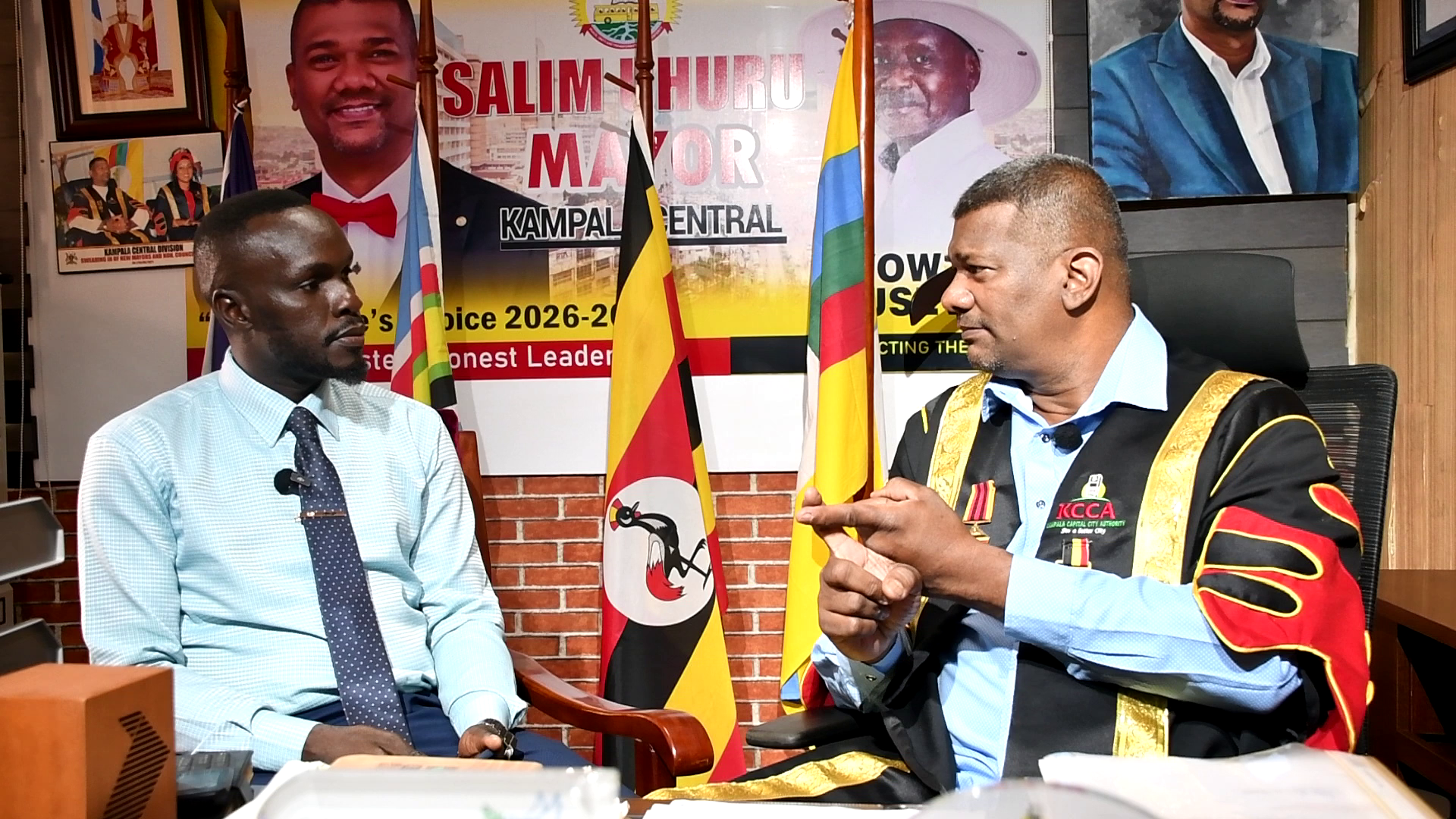
For many young people who grew up in the ghettos, life was once defined by limited opportunities, social stigma and the struggle to make ends meet. But the mayor for Kampala Central Division Salim Uhuru says the situation has changed considerably, with many young people, particularly musicians, now enjoying recognition, influence and better livelihoods.
Uhuru, who says he was born and raised in Kisenyi, was explaining why he chose to remain a staunch supporter of President Museveni and the NRM, despite growing up in Kampala, where opposition politics has traditionally enjoyed strong support.
According to Uhuru, his decision was influenced by what he says he has witnessed in the ghettos under Museveni’s government.
He cited musicians as one of the groups whose social standing has dramatically changed, arguing that artists who were once treated as ordinary entertainers are now respected, financially empowered and, in some cases, occupying positions of influence within government.
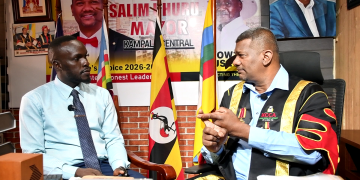
But when asked during an interview on The Morning Briefing on Mulengera Media, hosted by journalist Aggrey Baba, whether Museveni should receive all the credit for the transformation of musicians, Uhuru made a notable admission.
He said Bobi Wine also deserves considerable recognition for helping musicians and ghetto youth gain visibility.
“Bobi Wine came out and gave them exposure,” Uhuru said, while stressing that he has very high respect for the singer-turned-politician.
Uhuru’s words are particularly significant because he is an outspoken NRM supporter and leader while Bobi Wine, has emerged as one of Museveni’s most formidable political opponents.
Bobi Wine’s journey from the music stage to Uganda’s political frontline is one of the country’s most remarkable political stories of the past decade.
Having grown up in Kamwokya, Bobi Wine rose from the ghetto to become one of Uganda’s most influential musicians before entering elective politics in 2017. He won the Kyadondo East parliamentary by-election as an independent candidate, defeating candidates from both the NRM and the opposition FDC.
He subsequently built the People Power movement before it was transformed into the National Unity Platform (NUP), eventually becoming the main political vehicle through which he challenged Museveni in the 2021 and 2026 presidential elections.
His political rise also changed the relationship between music and politics in Uganda. As Bobi Wine’s influence among youths expanded, musicians increasingly became important political actors, with the NRM seeking support from prominent artists while some musicians who had previously been associated with Bobi Wine moved closer to the Museveni universe.
A 2021 academic study on Bobi Wine and activist musicians argued that patronage, repression and co-optation were among the methods used by the NRM to weaken the NUP leader’s alliance with musicians. The study specifically points to former allies and other influential artists who entered government patronage networks.
Among the musicians who later received government roles were Mark Bugembe (Buchaman), who was appointed a presidential special envoy on ghetto affairs, Jennifer Nakanguubi (Full Figure), who was appointed presidential adviser on youth affairs, and Catherine Kusasira, who was appointed a presidential adviser and envoy.
In 2024, Sitya loss hit maker Eddy Kenzo was also appointed Senior Presidential Adviser on Creatives, adding another major entertainment figure to Museveni’s advisory structure.
The financial and political relationship between the NRM and musicians also became highly visible during the 2016 election cycle.
In 2015, a group of Uganda’s biggest musicians, including Bebe Cool, Jose Chameleone, Juliana Kanyomozi, Rema Namakula, King Saha, Haruna Mubiru, Iryn Namubiru and others, participated in the “Tubonga Nawe” project in support of Museveni’s re-election campaign.
Contemporary reporting put the government’s support for the project at UGX 400 million, with reports indicating that the participating artists also benefited from campaign performances.
Bebe Cool became one of the most prominent musician supporters of Museveni and one of Bobi Wine’s most visible ideological opponents in the music industry. His long-standing support for Museveni has included campaign performances and public defence of the NRM government.
The growing divide between musicians around Bobi Wine and those supporting Museveni therefore turned Uganda’s entertainment industry into an important political battleground.
It is against this background that Uhuru’s praise of Bobi Wine becomes particularly interesting.
Although he remains firmly opposed to Kyagulanyi politically, Uhuru insists that their political differences have not destroyed their personal relationship.
He described Bobi as his “fellow ghetto”, pointing out that the NUP leader comes from Kamwokya, which falls within Kampala Central Division.
Uhuru even noted that, administratively, he is Bobi Wine’s leader because Kamwokya is part of the division he heads.
But beyond politics, Uhuru said he regards Kyagulanyi as a friend and continues to attend events where the opposition leader is present, but he (Kyagulanyi) has never personally confronted him over their opposing political affiliation, maintaining that their friendship has survived the bitter political contest between NRM and NUP.
For the Kampala Central Division mayor therefore, recognizing Kyagulanyi’s contribution to the visibility of musicians does not amount to abandoning his support for Museveni, but it reflects the complicated journey of Uganda’s ghetto youth (from being largely ignored to becoming a powerful force in the country’s social and political life). (For comments on this story, get back to us on 0705579994 [WhatsApp line], 0779411734 & 041 4674611 or email us at mulengeranews@gmail.com).