







By Mulengera Reporters
Equity Bank Uganda has intensified its campaign to position Ugandans living abroad as key investors in the country’s economy, unveiling a broader strategy aimed at helping the diaspora move beyond remittances to long-term wealth creation through property, business and other investments.
Speaking during the Equity Bank Diaspora Xchange Webinar held on Saturday, the bank’s Managing Director, Gift Shoko, said Uganda’s more than three million citizens living abroad represent a significant economic force that should be fully integrated into the country’s development agenda.
Shoko noted that Ugandans in the diaspora remitted more than US$2.5 billion in 2025, making remittances one of the country’s largest sources of foreign exchange and an important contributor to economic growth.

He argued that the contribution places the diaspora among Uganda’s most valuable economic assets and called for greater investment in policies and financial solutions that enable overseas Ugandans to participate more actively in national development.

According to Shoko, Equity Bank has positioned itself as the country’s leading financial institution serving the diaspora by providing affordable remittance services, dedicated investment products and financial advisory services tailored to Ugandans living overseas.
He said the bank was increasingly shifting its focus from facilitating money transfers to helping diaspora customers build wealth through investments back home.
The Managing Director revealed that the bank has recorded growing interest among Ugandans abroad in purchasing land, constructing residential and commercial buildings and investing in other income-generating ventures.

However, he said Equity Bank wants to see diaspora capital flowing into a broader range of productive sectors capable of creating jobs and accelerating Uganda’s economic transformation.
Shoko explained that the bank’s strategy aligns with Equity Group’s long-term vision of supporting Africa’s economic transformation through six strategic pillars that include agriculture, manufacturing, trade and investment, micro, small and medium enterprises (MSMEs), environmental sustainability and technology.
He said Africa possesses abundant natural resources but continues to export raw materials with limited value addition, adding that Equity Bank is supporting initiatives aimed at strengthening manufacturing and industrialization across the continent.
Shoko cited Uganda’s emerging oil industry and the Democratic Republic of Congo’s vast mineral resources as examples of sectors where increased investment and local value addition could generate greater economic returns for African countries.
He also highlighted the bank’s role in facilitating cross-border trade through business networking and trade missions that connect investors across Africa.
According to him, Equity Group has organized more than 50 trade missions in recent years, with Uganda expected to host another investment mission in September that will bring together local entrepreneurs and international investors.
The bank’s Managing Director further revealed that Equity Group has committed to directing 65 per cent of its lending portfolio to micro, small and medium enterprises by 2030, describing the sector as the backbone of African economies.
He observed that MSMEs account for nearly 80 per cent of Uganda’s economy but continue to face challenges accessing affordable financing needed to expand into sustainable businesses.
On sustainability, Shoko said Equity Bank integrates environmental, social and governance (ESG) principles into its lending decisions to ensure financed projects contribute positively to communities while protecting the environment for future generations.
He added that technology remains central to the bank’s growth strategy, noting that Equity has established a dedicated technology division to drive digital innovation and improve financial services across its markets.
Shoko said the bank has continued expanding banking services for Ugandans working in the Middle East and other regions, enabling them to access accounts, remit money and invest in Uganda regardless of where they live.
He reported progress on concerns raised during last year’s Diaspora Xchange webinar, particularly around access to Uganda National Identity Cards.
According to Shoko, Equity Bank worked with the National Identification and Registration Authority (NIRA) and other government agencies to bring national ID registration services closer to diaspora communities, addressing one of the biggest obstacles faced by Ugandans abroad seeking financial services.
He also noted that the cost of remitting money to Uganda has declined significantly, from between 13 and 15 per cent last year to around 9 per cent currently, attributing the reduction to increased digital innovation and competition within the financial sector.
Shoko expressed optimism that remittance costs would continue falling as financial technology advances, making cross-border money transfers faster and more affordable.
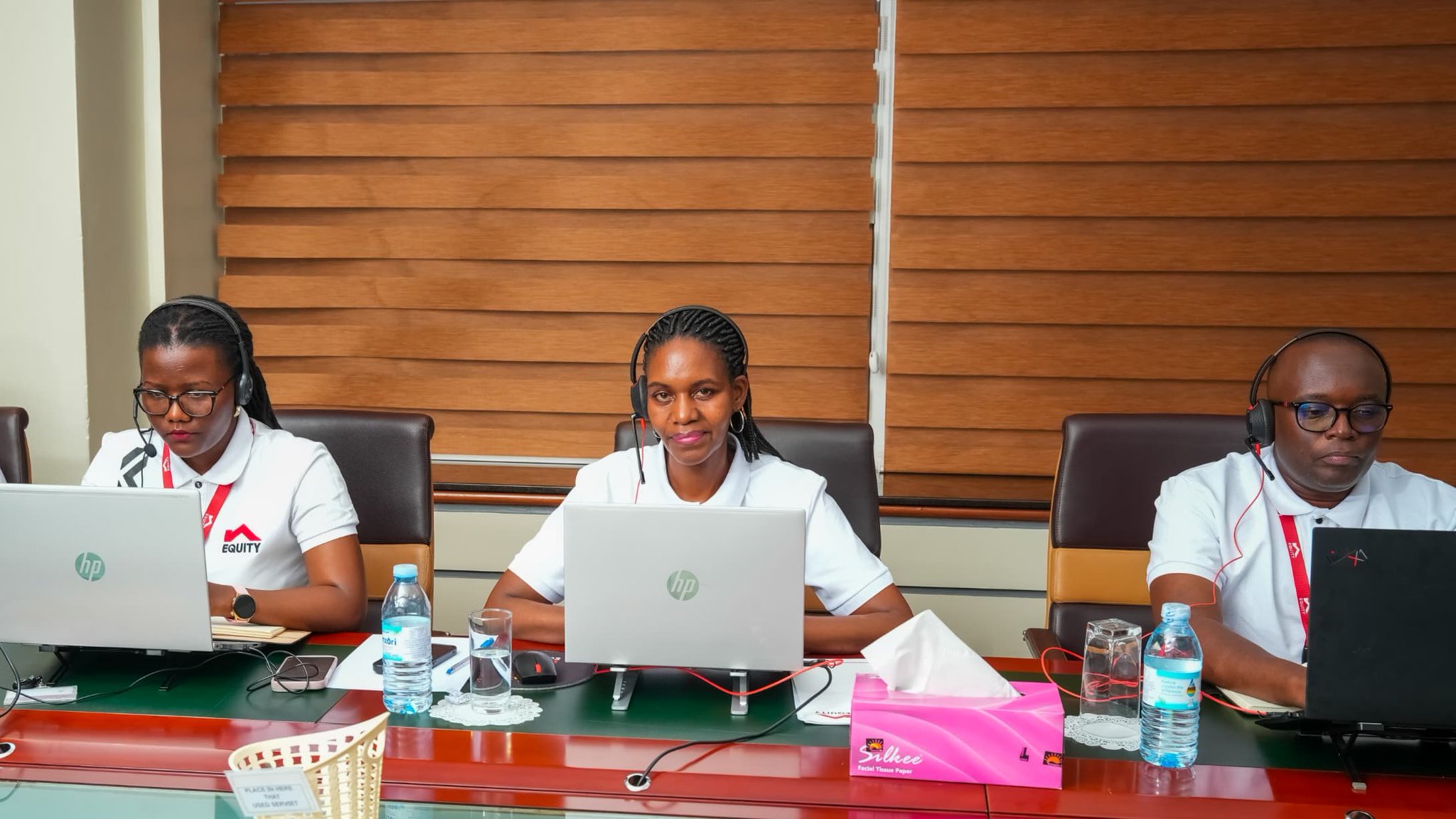
During the webinar, Winfred Wanjiru, Equity Bank Uganda’s Senior Manager for International Banking and Cross-Border Payments, showcased the bank’s expanding portfolio of diaspora banking solutions designed to simplify banking and investment for Ugandans overseas.
She highlighted the bank’s digital platforms, including internet banking and its mobile application, which enable customers to manage accounts remotely, transfer funds within Uganda and send money internationally.
Wanjiru explained that diaspora customers can also send money directly to MTN Mobile Money, Airtel Money, Equity Bank accounts and other commercial banks in Uganda through the bank’s digital platforms.
She further outlined investment products targeting Ugandans abroad, including financing for land purchases, residential and commercial property development, construction loans and equity release facilities.
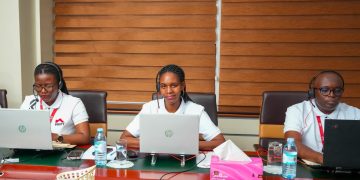
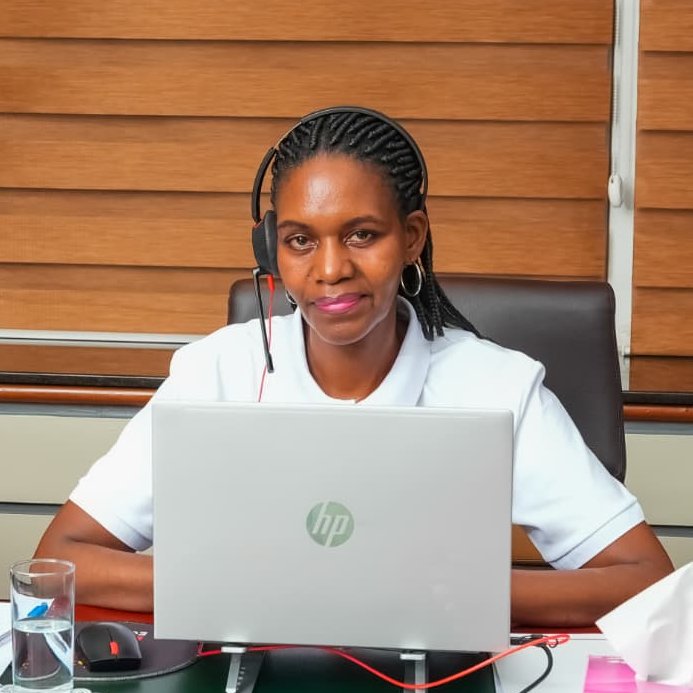
According to Wanjiru, the bank has also established dedicated Diaspora Relationship Managers and a 24-hour Contact Centre to provide continuous support to customers across different time zones.
She encouraged Ugandans abroad to acquire Uganda National Identity Cards, saying the document remains essential for opening bank accounts, purchasing property and accessing a wide range of financial services.
Wanjiru added that Equity Bank has strengthened its international remittance network through partnerships with global money transfer companies, including WorldRemit, Ria Money Transfer, MoneyGram and TransFast, enabling customers to send money securely from different parts of the world.
She said the bank remains committed to helping Ugandans abroad convert remittances into productive investments capable of building long-term wealth while contributing to Uganda’s economic transformation. (For comments on this story, get back to us on 0705579994 [WhatsApp line], 0779411734 & 041 4674611 or email us at mulengeranews@gmail.com).