






By Ben Musanje
Cabinet has approved principles for a new law to streamline the management of government vehicles, machinery and equipment while also announcing a UGX50 billion emergency intervention to cushion vulnerable communities from the effects of rising temperatures and looming food insecurity.
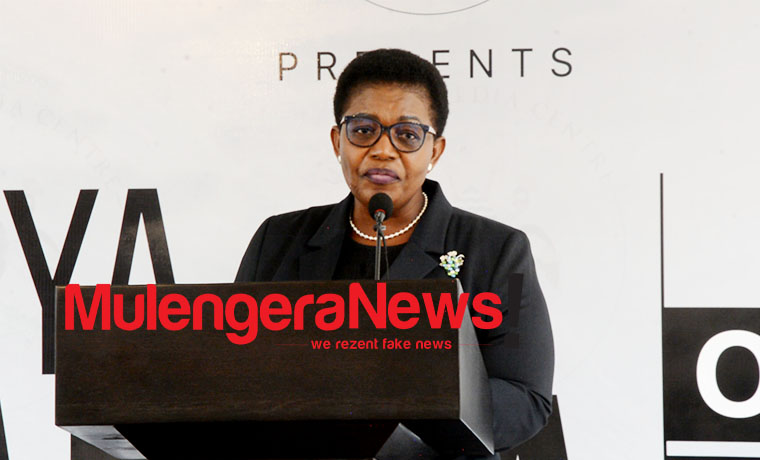
The decisions were announced by the Minister for ICT and National Guidance, Justine Kasule Lumumba at the Uganda Media Cenmtre on Tuesday 14th July 2026, following the Cabinet meeting held on July 13 at State House Entebbe.
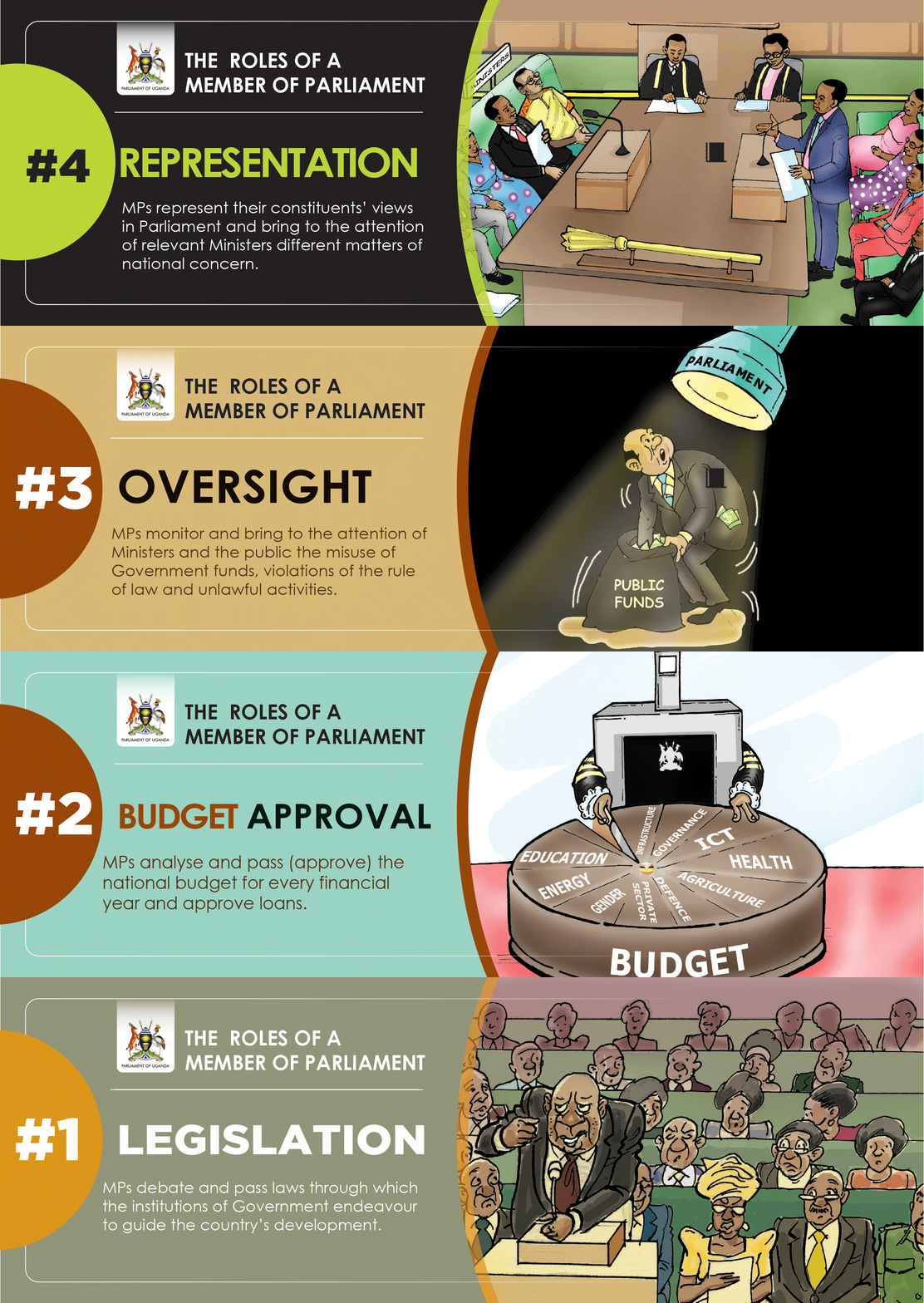
Cabinet approved the drafting of the Plant, Machinery and Vehicles Management Bill, 2026, a proposed law aimed at ending duplication of responsibilities among government agencies in managing public vehicles and heavy equipment.

Under the proposed legislation, the Ministry of Works and Transport will become the lead institution responsible for regulating and overseeing government-owned plant, machinery and vehicles through a unified management framework.

The reforms are expected to modernise the entire lifecycle of government vehicles—from acquisition and deployment to maintenance, monitoring, disposal and replacement.
According to Cabinet, the Bill will introduce standardised management systems to improve safety, efficiency and accountability while embracing emerging technologies such as artificial intelligence (AI), robotics, automation and the Internet of Things (IoT).
The legislation also seeks to promote research, innovation, technology transfer and skills development in the management of government fleets and machinery.

Lumbumba disclosed that Cabinet also raised concern over worsening weather conditions linked to the developing El Niño phenomenon, warning that above-average temperatures expected throughout July could worsen food insecurity, water shortages and public health risks.
The government said the anticipated heat is likely to affect agriculture, water resources, nutrition, household incomes and could trigger conflicts over scarce resources, particularly in drought-prone regions.
Karamoja and neighbouring districts have been identified as the areas most at risk.
To mitigate the impact, Cabinet has earmarked UGX50 billion from the Contingency Fund to finance emergency food relief and related interventions.
The Office of the Prime Minister, working together with the Uganda People’s Defence Forces (UPDF), has already begun organising food supplies for distribution to affected communities.
Government also urged the public to conserve water, embrace supplementary irrigation where possible and use available food resources prudently to minimise the impact of the expected dry conditions.
Lumumba warned that without collective action, prolonged high temperatures could lead to declining agricultural production, rising food prices, increased cases of heat-related illnesses and waterborne diseases, as well as migration and conflicts over water and pasture. (For comments on this story, get back to us on 0705579994 [WhatsApp line], 0779411734 & 041 4674611 or email us at mulengeranews@gmail.com).