







By Mulengera Reporters
What began as a hospital ward experience for Muhudi Matovu has evolved into a clean energy manufacturing journey powered by Equity Bank support.
Watching his mother struggle with Chronic Obstructive Pulmonary Disease (COPD) after years of cooking over smoky traditional stoves was not just a painful family moment—it revealed a deeper public health crisis affecting millions of Ugandan households.
As a medical professional, Matovu understood the clinical implications of prolonged exposure to smoke. But instead of focusing only on treatment, he turned his attention to prevention, questioning the everyday cooking practices that were driving respiratory illness in many homes.

That reflection led to the creation of Elsmart Conservation Technologies, a clean energy enterprise that has grown into one of Western Uganda’s emerging manufacturers of improved cookstoves and biomass briquettes.

Founded in March 2020 and based in Nyakaizi, Mbarara City South, Elsmart operates at the intersection of healthcare, environmental conservation, and manufacturing. Its mission is to reduce reliance on charcoal and firewood by offering cleaner, safer, and more affordable cooking alternatives.
“My mother’s illness changed everything,” Matovu says. “I wanted to provide ordinary Ugandans with cooking technologies that protect their health while remaining affordable.”
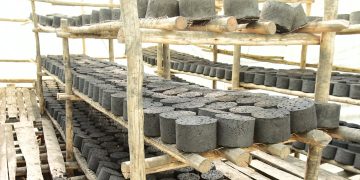
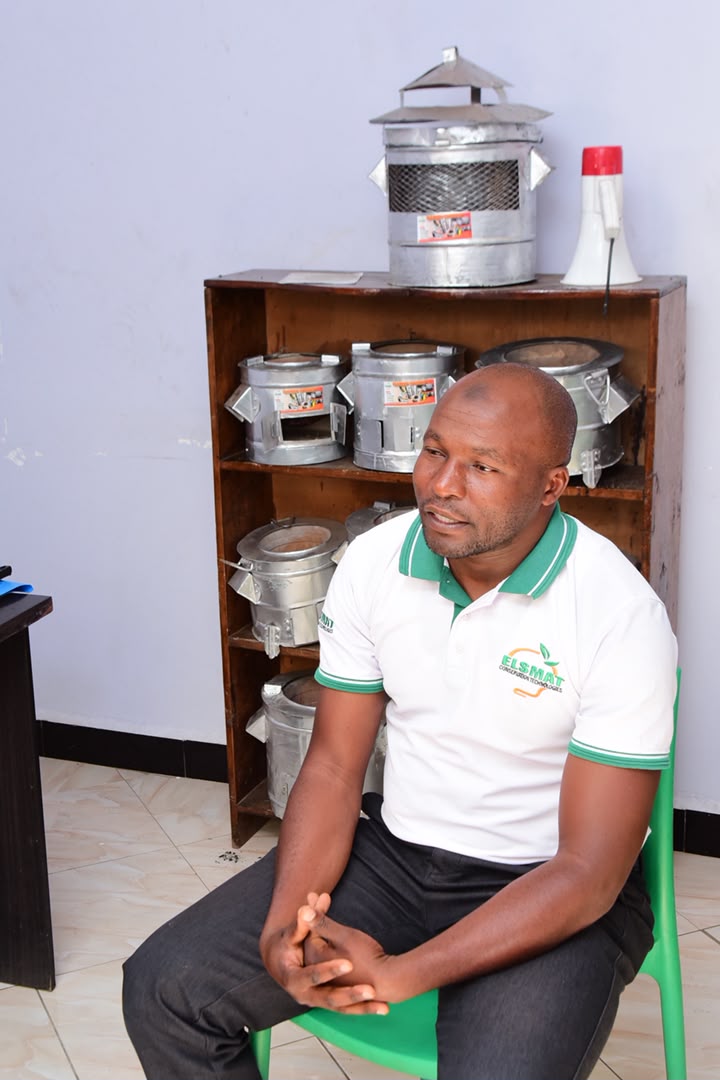
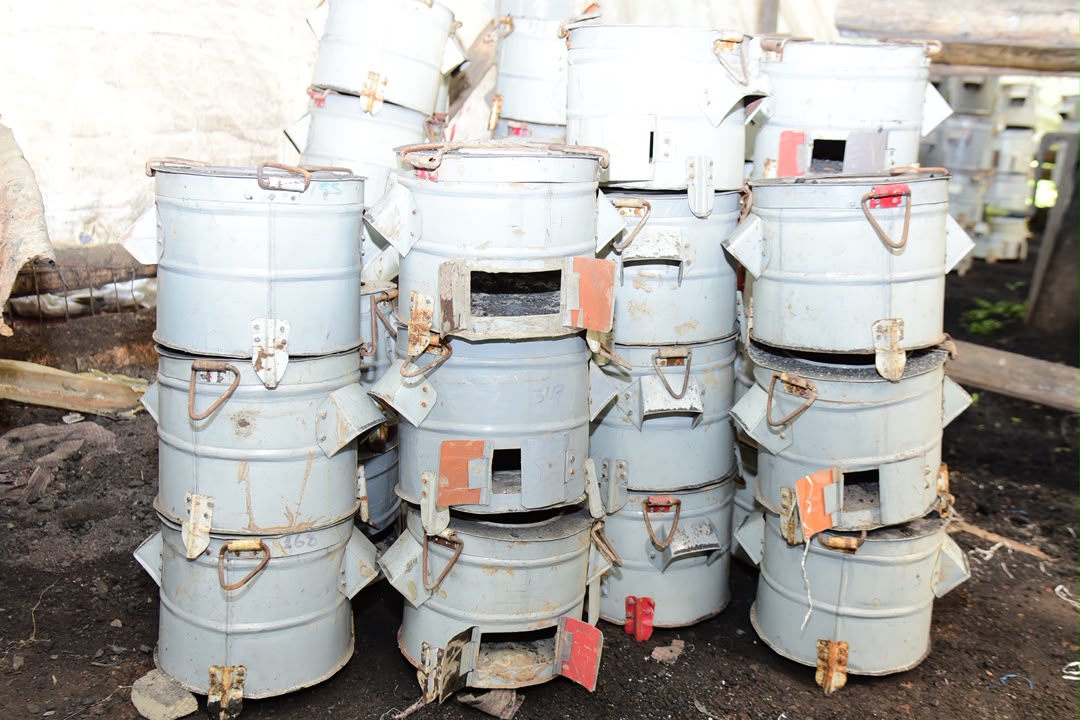
Today, Elsmart produces energy-efficient cookstoves made from recycled scrap metal and manufactures clean-burning biomass briquettes from agricultural waste. Materials that were once discarded are now being converted into useful energy solutions for households and small businesses, helping reduce deforestation and improve indoor air quality.

The company’s growth gained momentum after joining the Uganda National Alliance on Clean Cooking (UNACC) and participating in the Results-Based Financing (RBF) programme implemented by GIZ EnDev in partnership with Equity Bank Uganda.
Equity Bank played a central role in supporting the RBF model, which disburses funding only after verified results are achieved on the ground.
“Results-Based Financing is not about promises. The systems must first be installed, operational, and verified by an independent third party before incentives are paid out,” says Virginia Semakula, Equity Bank Energy, Environment and Climate Change Pillar Head.
Through this model, Elsmart received performance-based support to scale production and distribution of improved cooking technologies. The company was contracted to supply 600 household cookstoves and 213 commercial productive-use stoves for restaurants and other businesses.
Rather than treating the programme as a short-term obligation, Matovu used it as a turning point for industrial transformation.
“The programme gave us confidence to invest in mechanized production,” he explains. “Before then, we were operating on a very small scale.”
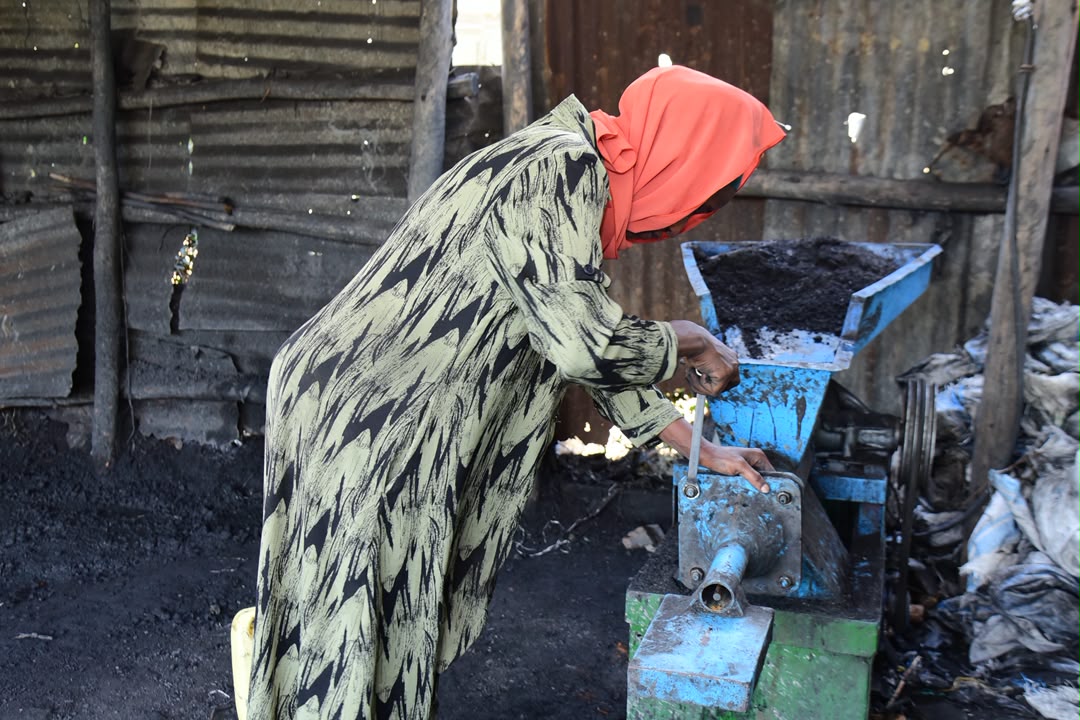
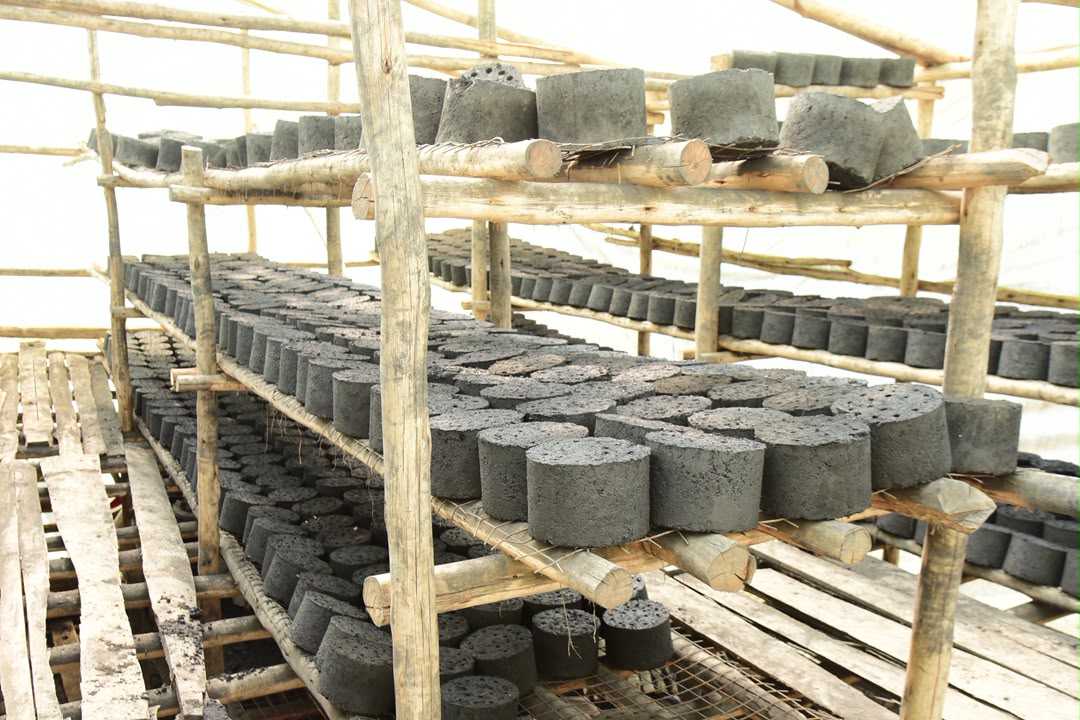
With this support, Elsmart transitioned from manual production systems to a mechanized manufacturing setup capable of producing both honeycomb and stick briquettes at higher volumes and with improved consistency.
As production capacity grew, so did the company’s financial performance. Annual turnover rose from approximately Shs72 million to Shs98 million, enabling further expansion and deeper market penetration across Western Uganda.
One of its most significant innovations during this period was the introduction of affordable biomass briquettes priced at just Shs1,500 per kilogram. Designed for use alongside improved cookstoves, the briquettes provide households with a cheaper and cleaner alternative to charcoal.
For Matovu, however, the business growth is only part of a much larger mission.
“We are trying to eliminate diseases caused by smoke while protecting the environment,” he says.
Despite rising awareness of clean cooking solutions, adoption remains constrained by cost barriers and the widespread use of traditional cooking methods.
“The uptake of improved stoves is still low because traditional stoves are cheaper,” Matovu explains. “Some households can buy a traditional stove for as little as Shs8,000. Naturally, many people choose the cheapest option.”
Although the RBF programme required Elsmart to distribute 600 household stoves, Matovu set an internal target of 2,000 units. The company ultimately sold 1,200 stoves—exceeding its contractual requirement but falling short of its own ambition.
He argues that sustained financing mechanisms and affordability interventions are necessary to accelerate adoption of clean cooking technologies.
He also calls for stronger enforcement of quality standards in the sector. “Uganda National Bureau of Standards should strengthen certification to eliminate poor-quality stoves that flood the market. Quality products will increase consumer confidence and improve the industry’s reputation.”
Beyond financing and production, the Results-Based Financing programme also strengthened Elsmart’s internal systems.
Strict verification requirements led the company to develop structured customer databases and formal sales tracking systems. What initially appeared to be administrative compliance has now become a valuable business asset.
Elsmart now follows up with customers after purchase, monitors stove performance, and responds to feedback. This has improved customer satisfaction and created a growing base of loyal customers who actively promote the products within their communities.
For staff like Alapha Nakayima, a former USAID health worker, Elsmart’s products sit at the intersection of health and energy.
“I joined Elsmart because I understood the health benefits,” she says. “There has been an increase in respiratory illnesses caused by prolonged exposure to smoke from traditional cooking. These improved stoves greatly reduce smoke and help families live healthier lives.”
She also uses the products at home and continues to advocate for their adoption within her community.
Beyond health outcomes, Elsmart’s model contributes to environmental conservation by converting agricultural waste into briquettes, reducing reliance on charcoal, slowing deforestation, and lowering carbon emissions. Improved cookstoves further reduce fuel consumption and indoor pollution.
Looking ahead, Elsmart plans to fully automate its production line, establish distribution hubs across Isingiro, Ntungamo, Rukungiri, and Ishaka, and expand partnerships with organizations such as Renewable Hub and Hub Energy.
The company is also preparing to enter the carbon credit market, creating an additional revenue stream tied to its environmental impact.
From a hospital ward experience to an emerging industrial clean energy manufacturer, Elsmart’s journey demonstrates how lived experience, innovation, and structured financing can combine to create scalable solutions.
As Uganda continues its transition toward cleaner household energy, Elsmart’s story shows how locally driven enterprises—supported by partners like Equity Bank—can turn waste into opportunity and health challenges into industrial growth. (For comments on this story, get back to us on 0705579994 [WhatsApp line], 0779411734 & 041 4674611 or email us at mulengeranews@gmail.com).