

![NO ONE HAS THE POWER TO FIRE HIM! Ex-Omuhikirwa [Who Fought M7 in 2016] Dares Tooro Clan Leaders Over Rwomiire Sacking, Says Only King Oyo Could Fire Him](https://mulengeranews.com/wp-content/uploads/2026/09/Steven-Kaliba-Ateenyi-75x75.jpg)





By Ben Musanje
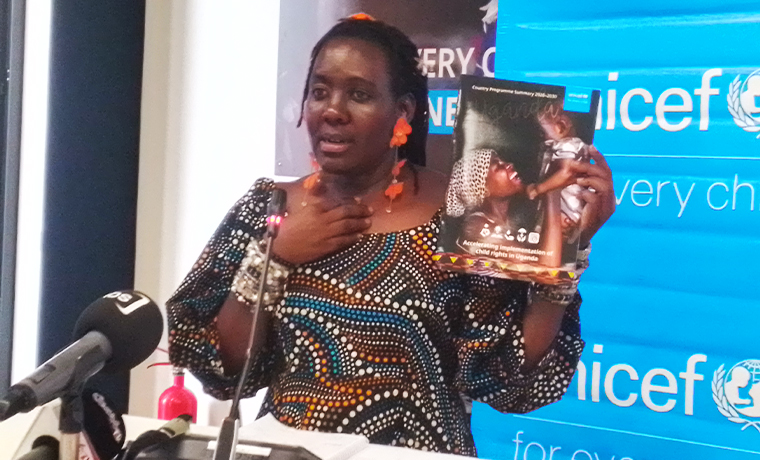
The United Nations Children’s Fund (UNICEF) and the Government of Uganda have launched an ambitious five-year Country Programme for 2026-2030 aimed at accelerating the protection and fulfillment of children’s rights in Uganda under the Convention on the Rights of the Child and the African Charter on the Rights and Welfare of the Child.
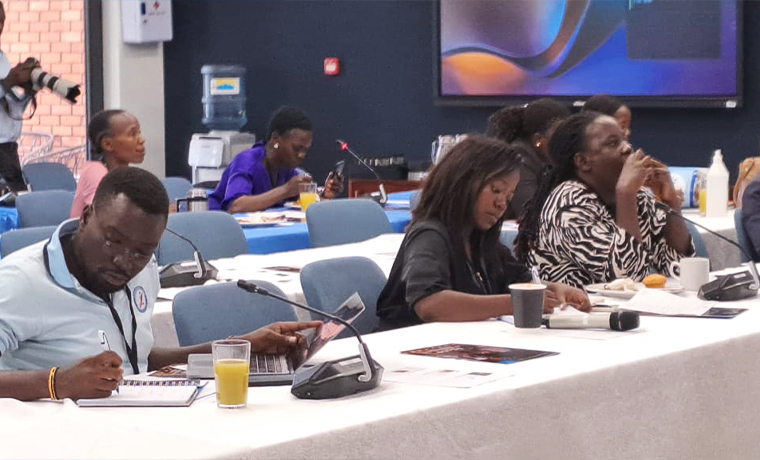
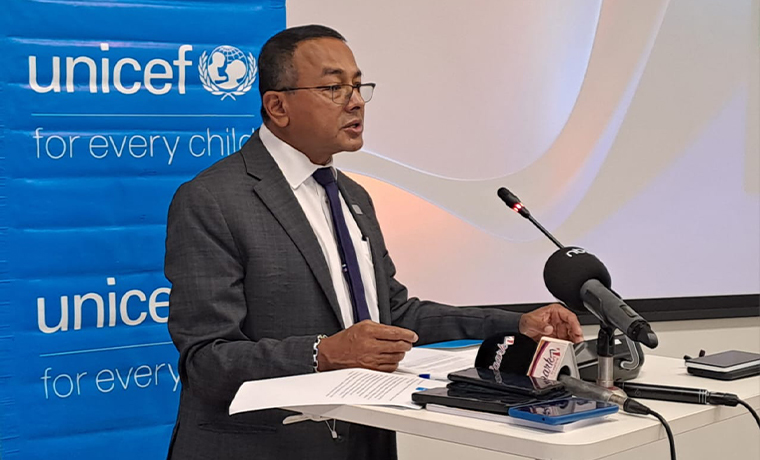
The programme, unveiled during a media briefing at the UNICEF-WFP Complex in Mbuya, Kampala, under the theme “Accelerating Implementation of Child Rights in Uganda,” seeks to strengthen investments in health, education, nutrition, sanitation, child protection and social welfare systems to improve the lives of millions of children across the country.
The new framework was developed through consultations involving the Government of Uganda, civil society organizations, development partners, United Nations agencies, communities, children and young people.

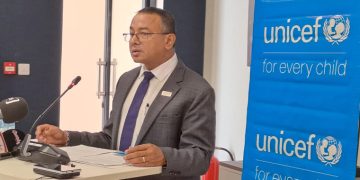
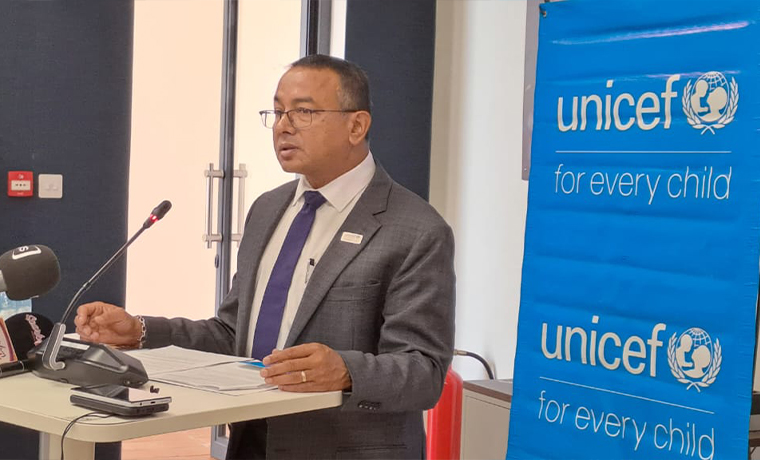
Speaking during the launch, UNICEF Uganda Country Representative Dr. Robin Nandy described the programme as a critical roadmap toward addressing the persistent challenges affecting children in Uganda.

“Uganda has a youthful population, with more than half of the population under the age of 19 years,” Dr. Nandy said. “This presents both an opportunity and a responsibility. Investing in children today is investing in the future of Uganda.”
Dr. Nandy noted that despite progress made in several sectors, many children in Uganda continue to face poverty, poor health and nutrition, violence, limited access to quality education and inadequate social protection services.
According to Dr. Nandy, the 2026-2030 Country Programme is built around four major priorities designed to improve the wellbeing of children and adolescents across the country.

The first priority focuses on increasing investment in human capital development and expanding access to inclusive and child-friendly social services such as healthcare, education, nutrition and sanitation.
The second pillar seeks to encourage positive behaviours and social norms among caregivers and communities that support children’s wellbeing and development.
The programme also aims to strengthen policy implementation and financing mechanisms to reduce poverty and inequality affecting vulnerable children.
Another key area will involve increasing the participation of children and adolescents in decisions affecting their lives and communities.
Dr. Nandy said UNICEF will work closely with government ministries, local governments, development partners and communities to ensure children not only survive but thrive.
Guided by the new programme, UNICEF plans to intensify advocacy for improved healthcare and nutrition services, quality education, child protection systems and increased access to safe and climate-resilient water and sanitation services.
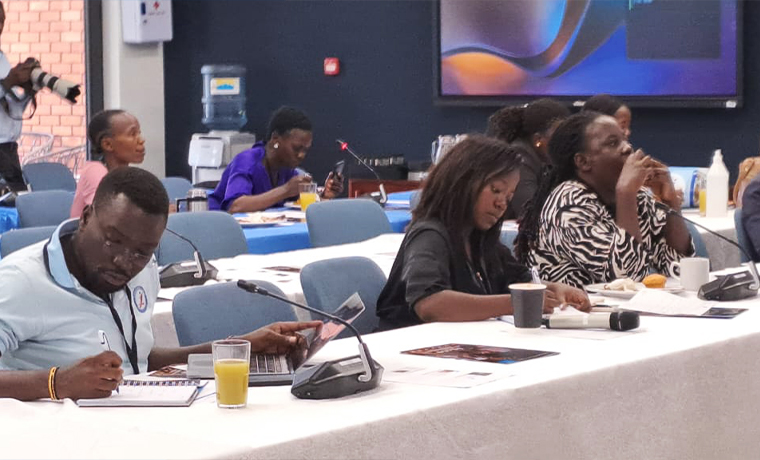
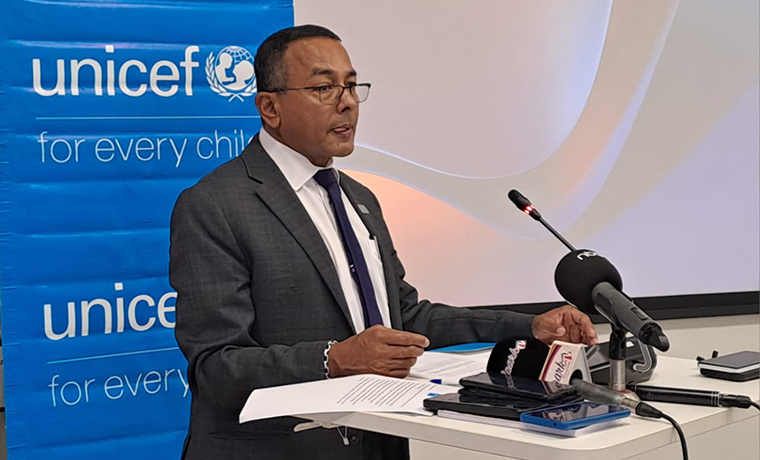
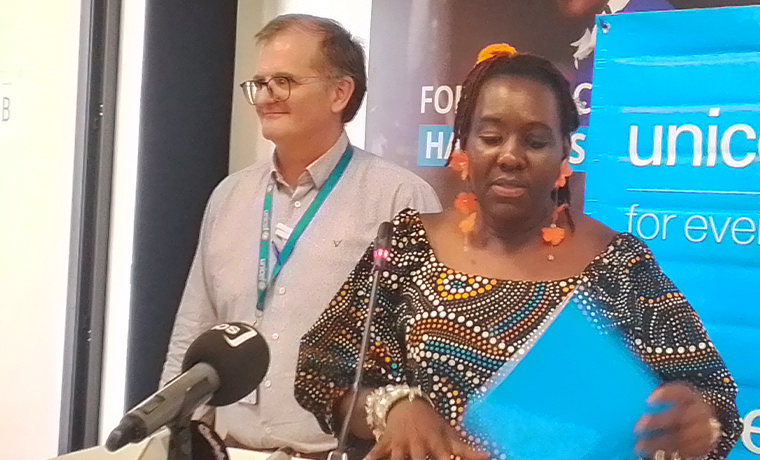
Addressing journalists at the briefing, UNICEF Uganda Chief of Communications, Advocacy and Partnerships Yves Willemot said the programme reflects UNICEF’s global commitment to advancing child rights.
“Our intergovernmental organization UNICEF is where governments come together and agree to collaborate to improve the situation of children worldwide,” Willemot said.
He explained that UNICEF country programmes are approved by the UNICEF Executive Board in New York and normally run for five years.
“Our Uganda Country Programme for 2026-2030 was approved by the Executive Board in September 2025,” Willemot noted.
He emphasized that UNICEF’s work is guided by the Convention on the Rights of the Child, adopted in 1989, which he described as the most widely ratified human rights treaty in the world.
“Children are born with rights. Access to healthcare, education, nutrition and protection should never be viewed as favors,” Willemot said. “Governments and societies have a responsibility to ensure those rights are fulfilled.”
Willemot reminded journalists that Uganda ratified the Convention on the Rights of the Child in 1990 and therefore has a duty to protect and promote the welfare of all children.
He also highlighted the importance of the African Charter on the Rights and Welfare of the Child in shaping child-focused interventions across the continent.
According to Willemot, UNICEF’s operations in Uganda date back to 1960, making the organization one of the country’s longest-standing development partners in child welfare.
He stressed that the new programme seeks to strengthen long-term systems instead of relying solely on temporary interventions.
“We want to move beyond ad hoc service delivery and strengthen systems that can sustainably guarantee children access to health services, education, protection and social support,” Willemot explained.
One of the major focus areas under the programme will be healthcare and nutrition.
UNICEF plans to support interventions aimed at reducing child malnutrition, improving immunization coverage and strengthening maternal and child healthcare services, especially in underserved communities.
The programme will also prioritize preventive nutrition interventions to tackle malnutrition before children become critically affected.
Teenage pregnancy emerged as another major concern highlighted during the briefing.
Willemot said UNICEF intends to strengthen advocacy and community engagement initiatives aimed at reducing teenage pregnancies, which continue to affect thousands of girls across Uganda.
“Teenage pregnancy remains a major development challenge because it affects girls’ education, health and future economic opportunities,” he said.
Education and skills development also feature prominently in the new framework.
UNICEF plans to support improved access to quality education, early childhood development programmes and skilling initiatives for adolescents transitioning into the labor market.
Officials acknowledged that many children still face challenges related to school dropout, poor learning outcomes and inadequate school infrastructure.
The programme additionally focuses on expanding access to safe water, sanitation and hygiene services, particularly in communities affected by climate-related challenges.
Uganda continues to experience floods, droughts and disease outbreaks that disproportionately affect children, making climate-resilient services increasingly important.
Child protection interventions will also be strengthened under the programme.
These include efforts to combat violence, exploitation and abuse against children, improve birth registration and strengthen juvenile justice systems.
Willemot emphasized the importance of social protection systems in shielding vulnerable children from poverty and inequality.
“We want to ensure there is stronger financing for children through public investment and increased private sector engagement,” he said.
UNICEF also called for stronger partnerships with communities, civil society organizations, the media and young people themselves.
Willemot stressed that communities and children should not merely be viewed as recipients of aid.
“We work with children and communities because they are actors of change,” he said. “Their participation is essential in transforming society.”
He further warned against misinformation, especially during public health emergencies, urging journalists to prioritize accurate reporting that supports national response efforts.
The programme also emphasizes data generation and evidence-based planning to improve interventions targeting children.
Officials said reliable data remains essential in understanding the realities children face and designing effective solutions.
As the event concluded, UNICEF and government officials expressed optimism that the Country Programme 2026-2030 would significantly improve the wellbeing of Uganda’s children and strengthen implementation of child rights across the country.
They called on all stakeholders — including government institutions, development partners, civil society organizations, religious leaders, communities and the media — to support the programme and ensure that every Ugandan child enjoys their fundamental rights and opportunities.
For many observers, the launch represented more than the unveiling of a development framework. It marked a renewed commitment by UNICEF and the Government of Uganda to place children at the center of national development and secure a better future for the country’s next generation. (For comments on this story, get back to us on 0705579994 [WhatsApp line], 0779411734 & 041 4674611 or email us at mulengeranews@gmail.com).