

![NO ONE HAS THE POWER TO FIRE HIM! Ex-Omuhikirwa [Who Fought M7 in 2016] Dares Tooro Clan Leaders Over Rwomiire Sacking, Says Only King Oyo Could Fire Him](https://mulengeranews.com/wp-content/uploads/2026/09/Steven-Kaliba-Ateenyi-75x75.jpg)




By Ben Musanje
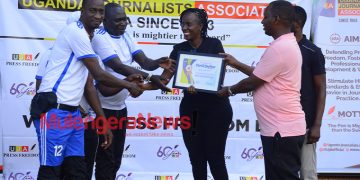
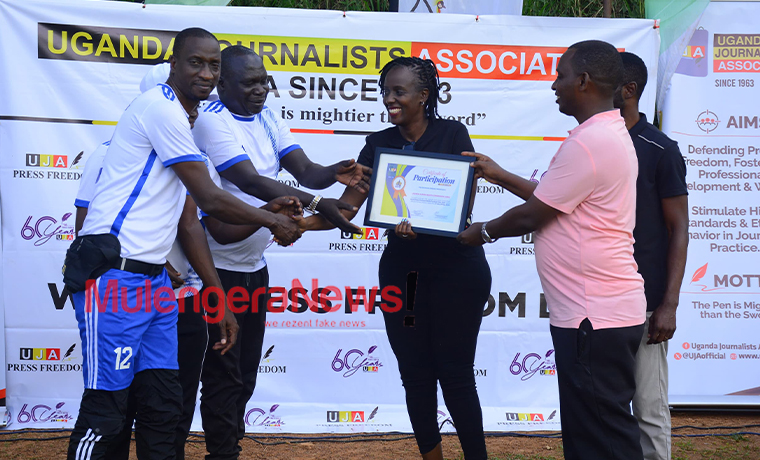
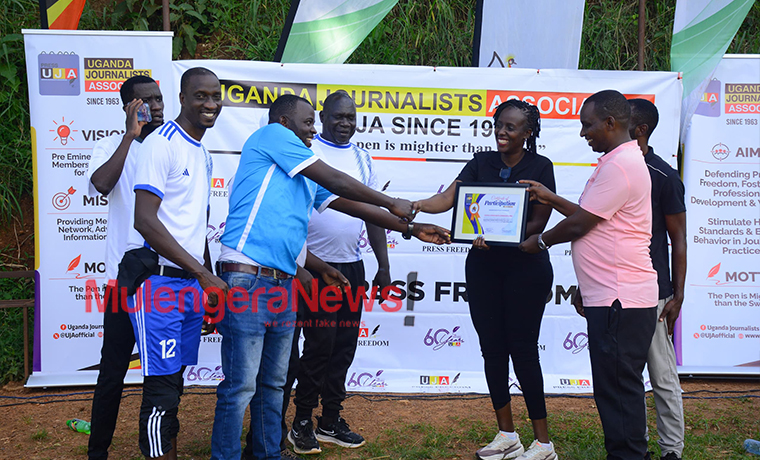
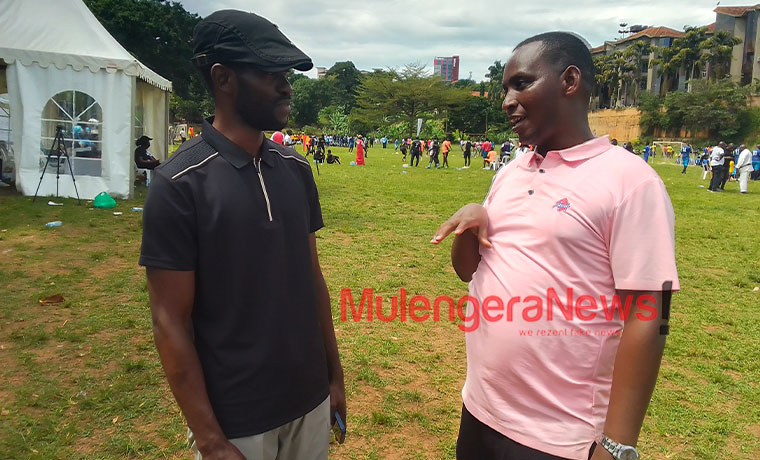
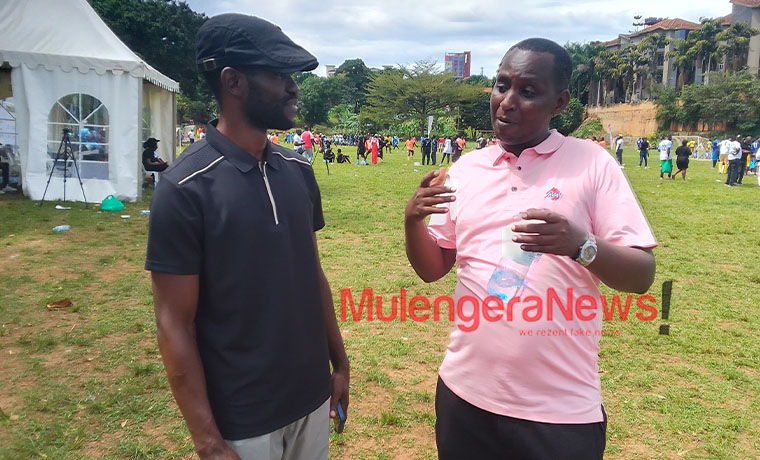
The judiciary has pledged its commitment to safeguarding press freedom in Uganda, even as journalists voice concerns over growing challenges to their safety and rights. During celebrations marking World Press Freedom Day, judicial officers, journalists and other officers from different government institutions and civil society organizations came together at Kitante Primary School in Kampala to discuss the state of press freedom in Uganda.
While the judiciary expressed its support for the media, the Uganda Journalists Association (UJA) used the occasion to highlight the increasingly hostile environment journalists’ face in their line of duty.
Martins Kirya, Chief Magistrate of Pader District and former President of the Uganda Judicial Officers Association (UJOA), assured the press that the judiciary remains committed to supporting a free press as an integral part of Uganda’s democratic fabric.

Kirya emphasized the importance of press freedom in the judicial system, stressing that journalists play a crucial role in holding society accountable and fostering transparency in both government and law enforcement. “As judicial officers, we work within a system of rules and regulations, and we see the media as a key partner in ensuring those rules are upheld. Journalists are a vital part of our mission to deliver justice,” Kirya said.

He referred to the media as the “third eye,” acknowledging that journalists often provide crucial evidence and expose truths that might otherwise remain hidden from the public and the courts. He further highlighted the role of technology and media coverage in high-profile cases, such as the Christopher Okello Onyum case, which was live streamed and became a key example of how journalists contribute to transparency and the public’s right to know.
Kirya also reiterated the judiciary’s efforts to ensure that court proceedings remain open and accessible to journalists, an important part of upholding the right to information and free expression. However, he admitted that there are still some barriers preventing journalists from fully accessing courtrooms, which remain a point of concern for media professionals.
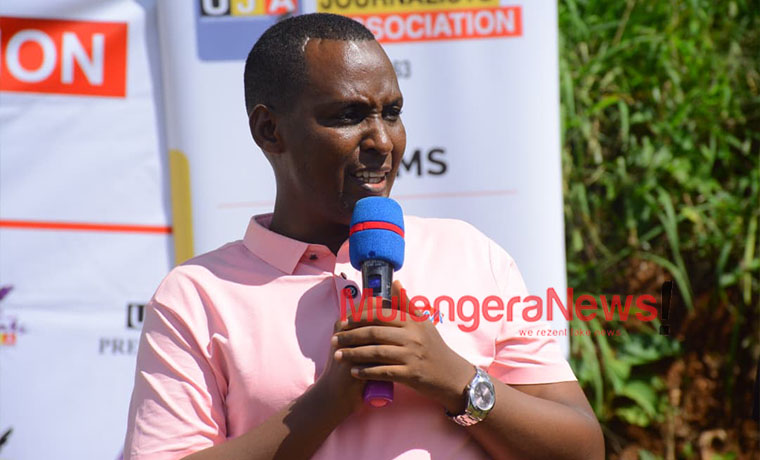
Despite the judiciary’s assurances, Mathias Rukundo, President of the Uganda Journalists Association (UJA), painted a more troubling picture for the state of press freedom in the country. He lamented the rising threats against journalists, including assaults, harassment, and denial of access to information.

According to Rukundo, press freedom has been steadily shrinking, particularly following the country’s recent elections, and he voiced concerns over the growing intolerance for independent reporting. “We cannot ignore the reality that press freedom in Uganda is under siege. Every day we hear of journalists being assaulted or attacked while carrying out their duties. The case of New Vision reporter Timothy Mulungi, who was beaten during the elections, is just one example of many,” Rukundo said, his voice filled with frustration. “The press is facing an unprecedented level of intimidation, and it’s not just about physical violence; it’s the systematic efforts to silence us.”
Rukundo also criticized the actions of courts that deny journalists access to public hearings. He pointed to a recent case in which journalists were barred from covering a court session, despite the legal requirement for transparency and open justice. “We see this as a violation of the public’s right to know and a breach of the law,” he stated.
Rukundo emphasized that the challenges faced by journalists are not just about press freedom in isolation but are tied to the broader health of Uganda’s democracy. He warned that when press freedom is eroded, other fundamental freedoms are also at risk. He also expressed concerns over the lack of adequate protection from authorities and government bodies such as the Uganda Human Rights Commission (UHRC), which he believes has not done enough to protect journalists. “Journalists are not fighting for their own rights; they are fighting for the rights of the people they represent. It’s the government that feels uncomfortable when we report the truth. And that’s why we are being attacked,” Rukundo said.
Despite the growing threats, Rukundo remained hopeful that through continued advocacy and collaboration with judicial officers and other partners, progress could be made in securing a more protected space for journalism in Uganda. While the challenges are significant, there was a shared sense of optimism at the event, with both Kirya and Rukundo agreeing on the need for continued collaboration between the judiciary and the media.
Kirya reiterated the judiciary’s commitment to upholding the rights of journalists and ensuring that they can carry out their work freely and safely. “We must continue to work together to ensure that the rule of law is upheld, both in the courts and in the media. Journalists are crucial in ensuring transparency and accountability,” Kirya stated.
Rukundo, meanwhile, expressed confidence that the ongoing dialogue between journalists, the judiciary, and other stakeholders would lead to better protections for the media in the future. “We know that progress will not happen overnight, but we must continue to raise our voices and push for change,” he said.
In the end, the World Press Freedom Day Media gala served as a reminder of the vital role of press freedom in ensuring a functioning democracy. While the challenges are clear, both the judiciary and the press committed to working together to address these issues and create a safer, more open environment for journalists in Uganda. The event also featured a football competition, reflecting the belief that sports can serve as a unifying force. The media gala provided an opportunity for journalists to come together, share their experiences, and discuss strategies for overcoming the challenges they face.
With the judiciary pledging its support for press freedom and journalists remaining resolute in their fight for a free press, the hope is that Uganda can continue to make strides toward a more transparent, accountable, and democratic society. As the event drew to a close, the message was clear: the battle for press freedom is ongoing, but through collaboration, dialogue, and advocacy, a more protected future for Uganda’s media can be achieved.(For comments on this story, get back to us on 0705579994 [WhatsApp line], 0779411734 & 041 4674611 or email us at mulengeranews@gmail.com).