







By Ben Musanje
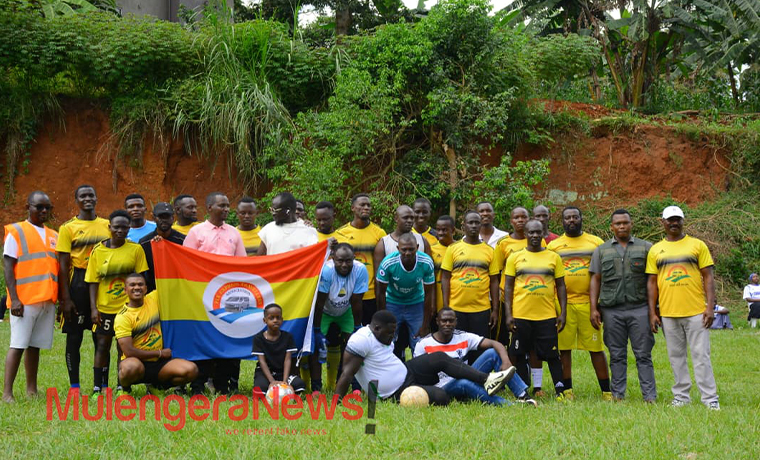
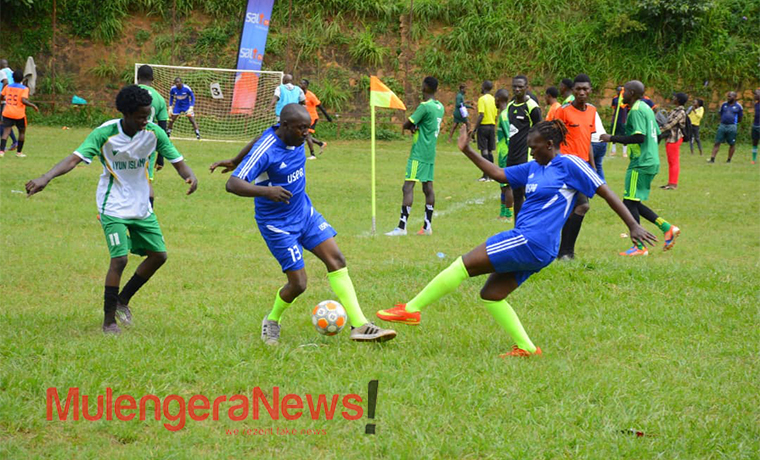
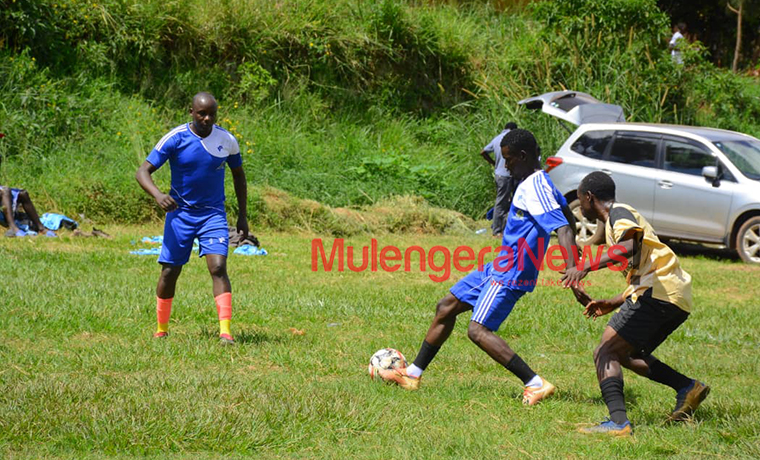
The World Press Freedom Day celebrations took a spirited turn on Sunday as journalists, human rights advocates, and members of the public gathered at Kitante Primary School Playground for a football gala that underscored the importance of press freedom. The event was organized by the Uganda Journalists Association (UJA) with the support of the Uganda Human Rights Commission (UHRC), aiming to foster dialogue between media practitioners and human rights defenders.
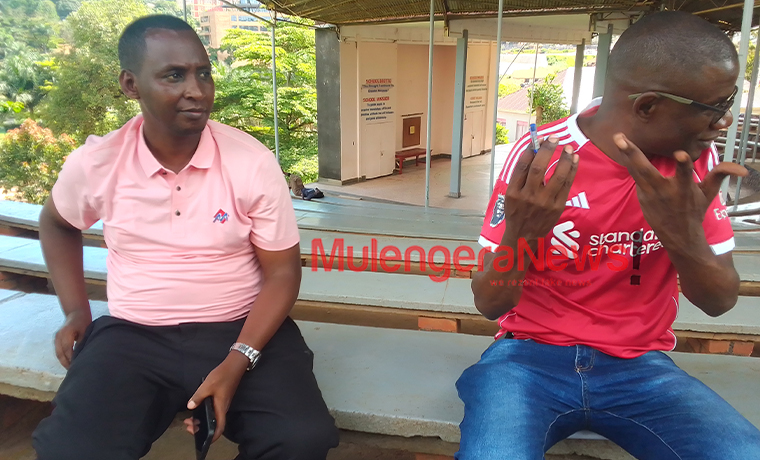
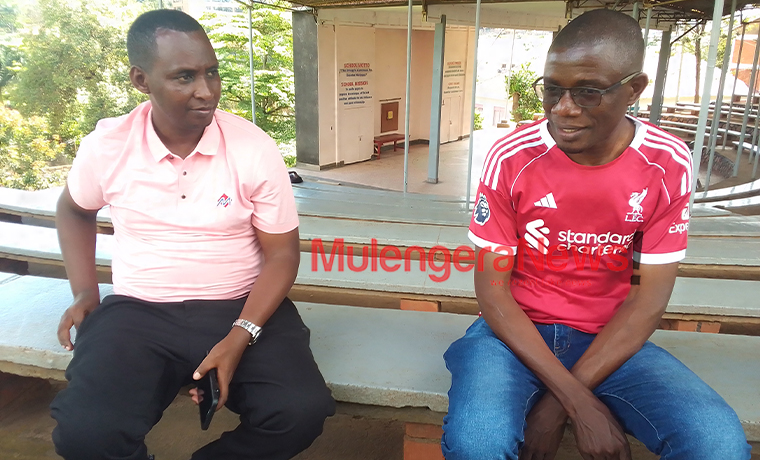
Alex Bukumunhe, the Public Affairs Manager at the Uganda Human Rights Commission, emphasized the significance of this day, not only for media practitioners but also for the public, who rely on accurate and timely information from the media.
“This day is a celebration for every media practitioner, every media owner, and even the general public who receives information from the media,” Bukumunhe said in an interview during the event. “We are glad that the Uganda Journalists Association has taken the lead in organizing this football match, which complements the theme of press freedom as a cornerstone of peace.”

The football gala, a blend of sportsmanship and advocacy, allowed journalists and other stakeholders to engage in a relaxed yet meaningful way, while simultaneously raising awareness about the importance of press freedom. Bukumunhe, who represented the National Human Rights Institution, stressed the need for a unified approach to address the challenges that the media sector faces in Uganda.

“As the Uganda Human Rights Commission, we are here to be part of the solution-finding mechanism to ensure that media freedom is respected and protected,” Bukumunhe added. “Our role is to promote and protect human rights, including the rights of journalists. We believe in creating platforms where we can all come together to discuss and share challenges, with a view to solving them as one.”
Despite the day’s celebratory mood, Bukumunhe acknowledged the challenges that the media industry has faced, particularly in relation to human rights violations such as the assault of journalists. The UHRC has received multiple complaints of journalists being assaulted or having their equipment destroyed especially intense environments like the election period.
“Journalism, like any other field, has its challenges. The media industry has faced disunity, and as a human rights institution, we work to bridge these gaps,” Bukumunhe said. “We encourage journalists to come forward with their complaints, and we strive to ensure that they are heard and that justice is served.”

The Uganda Human Rights Commission has played a crucial role in addressing cases of violations against journalists, but Bukumunhe admitted that many cases tend to be resolved outside of the Commission’s tribunal, with those accused often seeking to settle disputes amicably with media personnel.
For example, Bukumunhe recounted a past case where journalists were assaulted during an event at the office of the UN High Commissioner for Human Rights. The case was eventually settled after the accused approached the media directly, leading to a football match and a peaceful resolution.
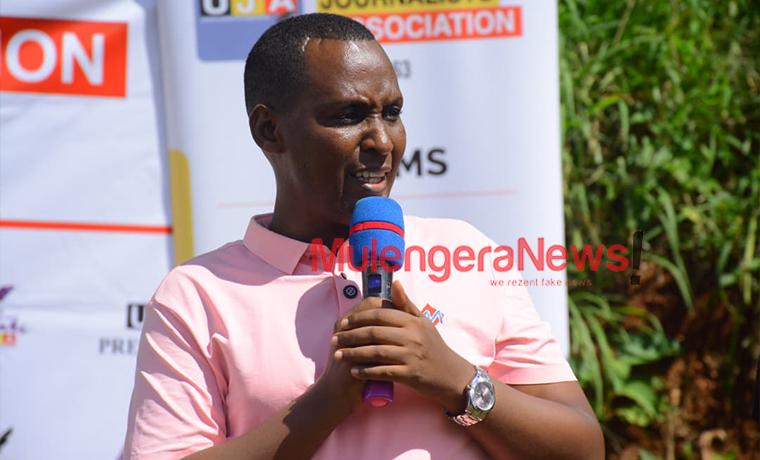
However, Mathius Rukundo, the President of the Uganda Journalists Association (UJA), voiced his dissatisfaction with the limited intervention of the Uganda Human Rights Commission in addressing the systemic issues faced by journalists. He argued that the Commission has not done enough to protect press freedom in Uganda, and that the situation is dire.
“We cannot discuss the Uganda Human Rights Commission in isolation,” Rukundo remarked. “There is a role for Parliament to pass laws that protect journalists, but the current intervention is minimal. We appreciate the support, but we need more action.”
Rukundo shared concerning statistics, revealing that during the recent election period, 32 journalists were victims of violence, underscoring the vulnerability of journalists in Uganda.
“We have had incidents where journalists have been barred from covering events by court orders in Kampala, not in the villages, but right here in the city. This shows that something is fundamentally wrong,” Rukundo said.
He also highlighted the increasing risks faced by journalists, pointing to a tragic incident where a former journalist with New Vision was shot in what may have been a targeted attack due to his profession. Rukundo lamented that despite these threats, there has been little accountability or serious investigation into such cases.
“Journalism is becoming a deadly profession in Uganda,” Rukundo said with a note of frustration. “I doubt if my own children would want to pursue journalism, given the risks. It’s not happening to lawyers, doctors, or accountants – why is it only journalists?”
Rukundo called for urgent reform to address the dangers and challenges journalists face. “It is unacceptable that in 2026, journalists can be targeted simply for doing their job. It’s time for the government, the Uganda Human Rights Commission, and other stakeholders to take action to protect the press.”
Despite these concerns, Bukumunhe remained optimistic about the future of press freedom in Uganda, asserting that the country is not yet in an extreme situation, particularly when compared to countries where even identifying oneself as a journalist can be a crime. He urged journalists to continue reaching out to the Uganda Human Rights Commission whenever they face violations, assuring that there are mechanisms in place to protect their rights.
“We are not in a war situation, and on a scale of one to ten, the situation in Uganda is manageable,” Bukumunhe said. “But any violation of a journalist’s rights is concerning, and we are here to ensure there is a platform for journalists to seek justice.”
Both leaders echoed the importance of continued collaboration between the media, government agencies, and civil society organizations to protect the fundamental rights of journalists and ensure that press freedom remain a pillar of Uganda’s democracy.
As the football gala wrapped up and the celebrations continued, the call for greater protection of journalists and more robust actions to safeguard press freedom was clear. Journalists, human rights advocates, and citizens alike left the event with renewed resolve to ensure that the voices of the press continue to echo freely in Uganda. (For comments on this story, get back to us on 0705579994 [WhatsApp line], 0779411734 & 041 4674611 or email us at mulengeranews@gmail.com).