







By Mulengera Reporters
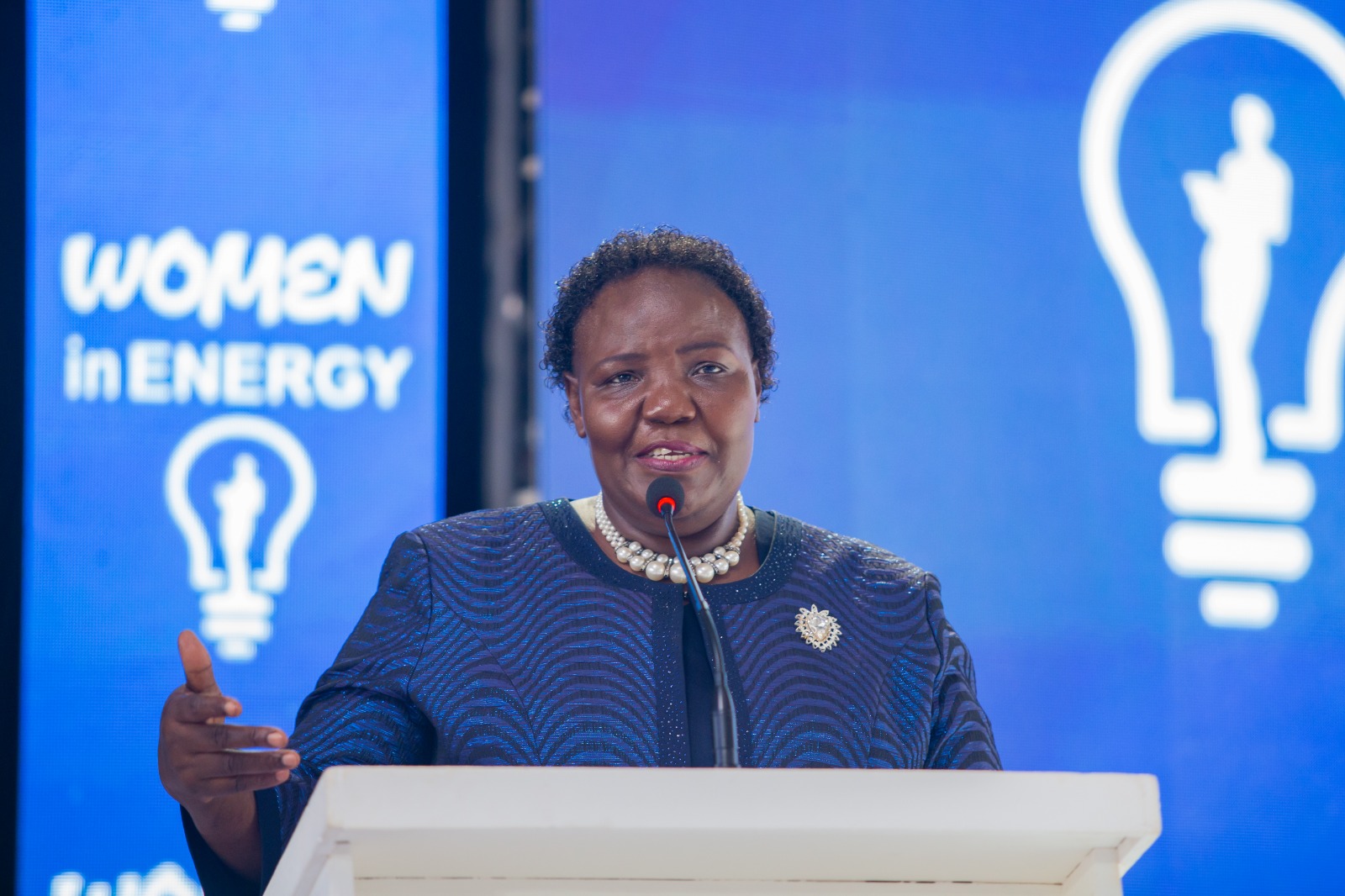
On Tuesday, the Chief Executive Officer (CEO) of the Electricity Regulatory Authority (ERA), Eng. Ziria Tibalwa Waako, addressed participants at the Women in Energy (WiE) forum and dinner, held under the theme “Energy for equality: Give to gain,” at the UMA Multipurpose Hall in Kampala, Lugogo, where she called on parents to stop discouraging girls from pursuing electrical engineering and related courses.
Eng. Waako emphasized that the energy sector is not reserved for men, urging parents to support the girl child to explore opportunities in science and engineering.
She explained that many parents still hold outdated beliefs that electrical work is too demanding for girls, often arguing that they can’t climb electricity poles or house ceilings to do wiring work. However, the ERA boss dismissed such thinking, saying the modern world has evolved and women are capable of doing the same work as men, if not better.
Drawing from her own journey, Eng. Waako revealed that she would not be where she is today (heading an institution like ERA) if her parents had blocked her from studying electrical engineering. She said discouraging girls from such paths deprives Uganda of future engineers and innovators.
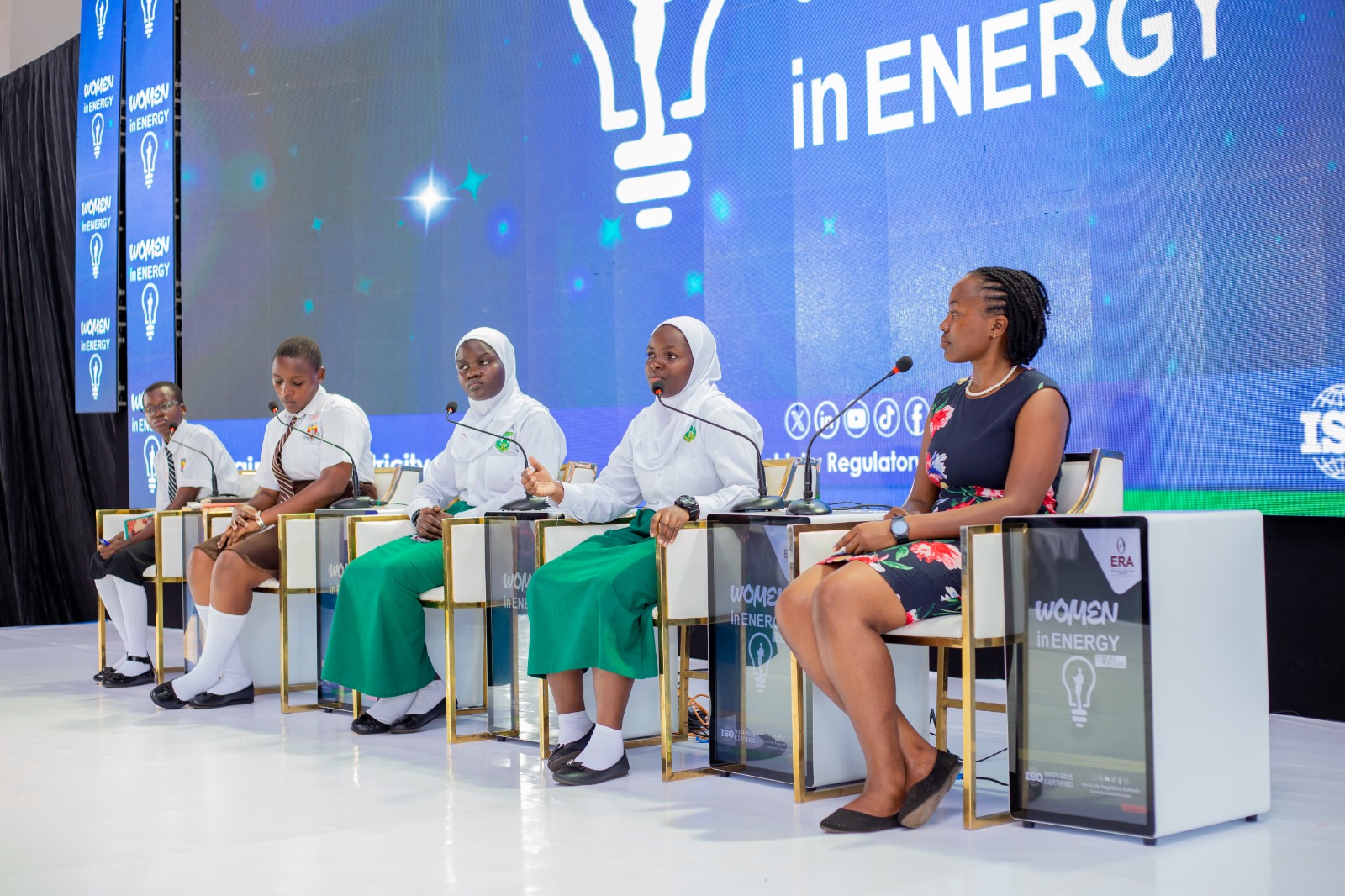
Under the Women in Energy initiative, ERA has been moving to different schools across the country to inspire and motivate girls to join the energy sector, an effort that is already beginning to bear fruit.
At the same event, students from institutions including Makerere University, Busitema University and Kyambogo University, as well as technical institutes like YMCA, Rukungiri Technical Institute, UTC Kichwamba and UTC Elgon, shared testimonies about their decision to pursue electrical studies at degree, diploma and certificate levels.
One of them, Nabirye Daphne, a fourth-year student at Busitema University, told participants that she was inspired to study electrical engineering after an outreach visit by ERA to her former school under the WiE program.
Waako also clarified that the energy sector is not limited to engineers alone, noting that institutions like ERA require professionals in law, accounting, human resource management and media, among others.
She, however, expressed concern over the low number of women in engineering roles, revealing that the current ratio stands at about 97 percent men to only 3% women engineers (in the energy sector), a gap she said calls for deliberate effort to bridge.