






By Mulengera Reporters
A fresh storm is brewing in Uganda’s fight against corruption as Deputy Inspector General of Government Anne Twinomugisha Muhairwe signals a dramatic return to one of the most sensitive debates in the country — whether security officers should openly declare their wealth and assets.
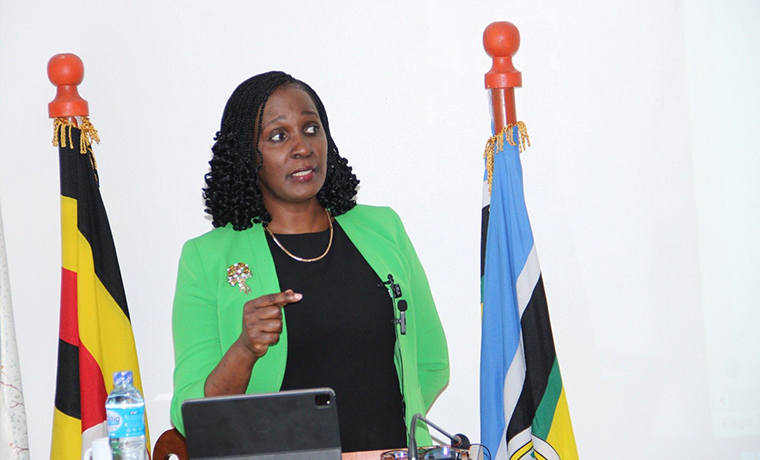
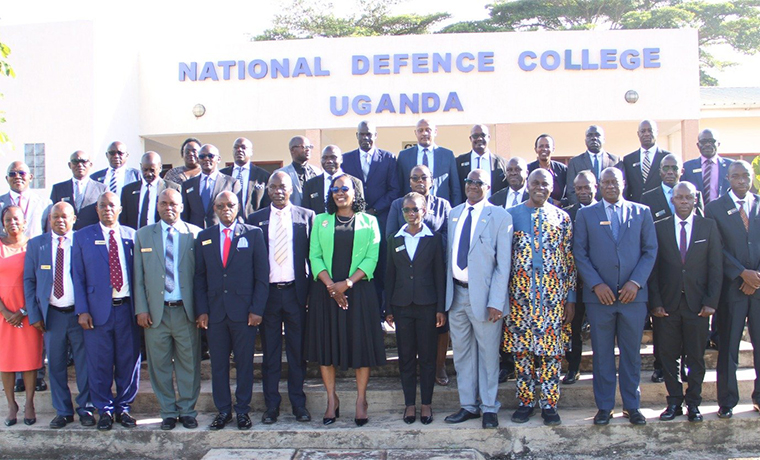
Speaking in Jinja at the respected National Defence College of Uganda on Tuesday, Muhairwe revealed that the issue, once halted at the highest level, is now back on the table. Her words have quickly stirred both curiosity and tension within government circles, especially among the powerful security forces.
She made it clear that the matter is delicate and tied closely to national security concerns. She explained that previous guidance from President Yoweri Museveni had raised fears about exposing sensitive information about the military. According to her, there is worry that forcing officers to publicly declare wealth could unintentionally reveal critical details about Uganda’s defense structures.

Yet, despite these concerns, Muhairwe confirmed that discussions are about to begin with military leadership to find a possible path forward. The key question now is not just whether security officers will declare their assets, but how and where this will be done without compromising national safety.

This renewed push comes at a time when the Inspector General of Government Aisha Naluzze has already launched the 2026 nationwide declaration exercise. The campaign, which began on April 1 and runs until April 30,2026 requires all public officials to declare their income, assets, and liabilities.
Naluzze has taken a firm stance, warning that this is not just a routine exercise but a serious test of accountability. She stressed that failure to comply will lead to harsh consequences, including dismissal from office, heavy fines, and even imprisonment. The message is clear: no declaration, no job.
In a major shift, this year’s exercise is being conducted fully online, marking a new digital era for government transparency. Authorities say the system is designed to make the process faster, easier, and harder to avoid. It also aims to close loopholes that have in the past allowed some officials to delay or dodge compliance.

The requirement is rooted in the Leadership Code Act, which obliges all public officers — from ministers and Members of Parliament to local leaders and heads of institutions — to declare their wealth every year.
But the real drama lies in the unresolved status of security officers.
Back in 2023, President Museveni made a decisive move that shocked anti-corruption advocates. He blocked the Inspectorate of Government from enforcing asset declarations among military and security personnel. At the time, the Inspectorate of Government was led by Beti Kamya.
In a strongly worded letter, Museveni argued that the law must be applied with “logic.” He insisted that sensitive details about soldiers and intelligence officers should remain tightly controlled within military structures, specifically under the Chief of Personnel and Administration.
He also pointed out that internal systems already exist to monitor the wealth and conduct of security personnel. Agencies like the Chieftaincy of Military Intelligence were cited as capable of handling such oversight without exposing information to the public.
The exemption covered a wide range of officials, including senior UPDF officers from the rank of Major and above, payroll managers, and key figures in police and intelligence bodies such as ISO and ESO.
Now, with Muhairwe reopening the conversation, the country stands at a crossroads. Will Uganda push forward with full transparency, or will security concerns once again shield a powerful group from public scrutiny?
As April’s declaration deadline ticks closer, the stakes are rising fast, and all eyes are on the next move. (For comments on this story, get back to us on 0705579994 [WhatsApp line], 0779411734 & 041 4674611 or email us at mulengeranews@gmail.com).