







By Mulengera Reporters
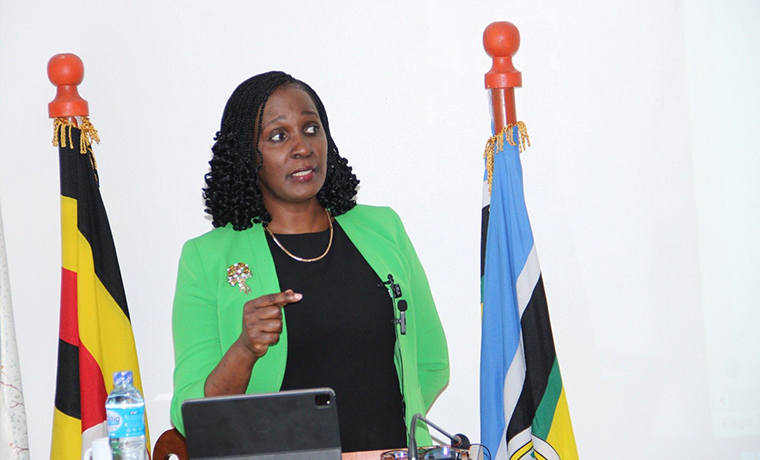
The Deputy Inspector General of Government (DIGG), Anne Twinomugisha Muhiirwe, has reaffirmed the Inspectorate of Government’s commitment to supporting efforts by the Chief of Defense Forces (CDF) General Muhoozi Kainerugaba in addressing corruption within the Uganda People’s Defence Forces (UPDF).
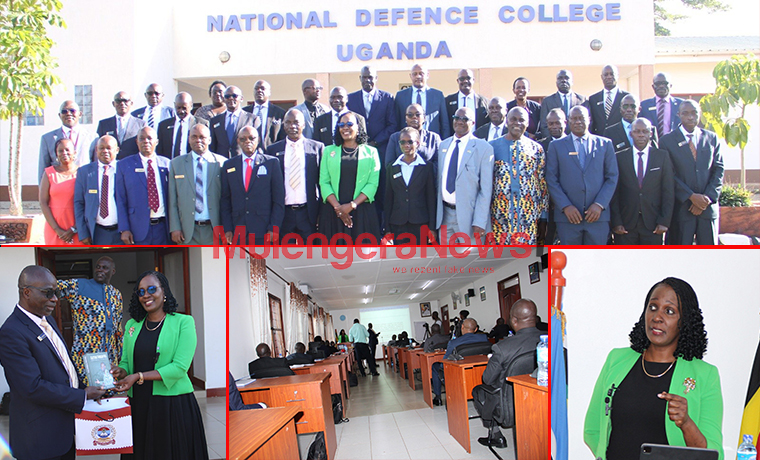
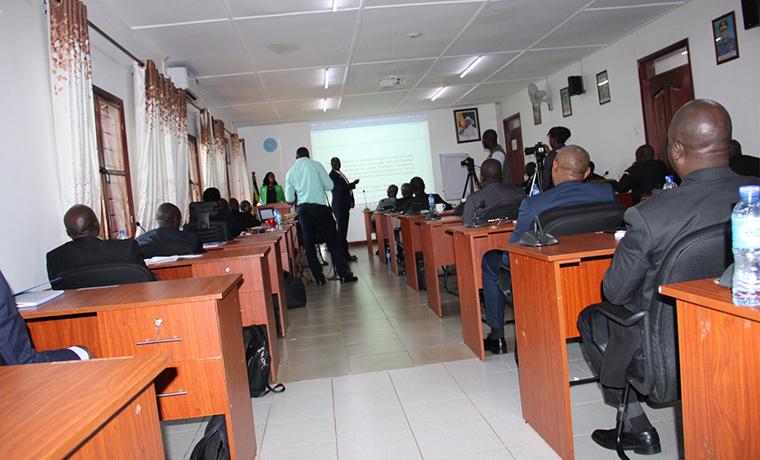
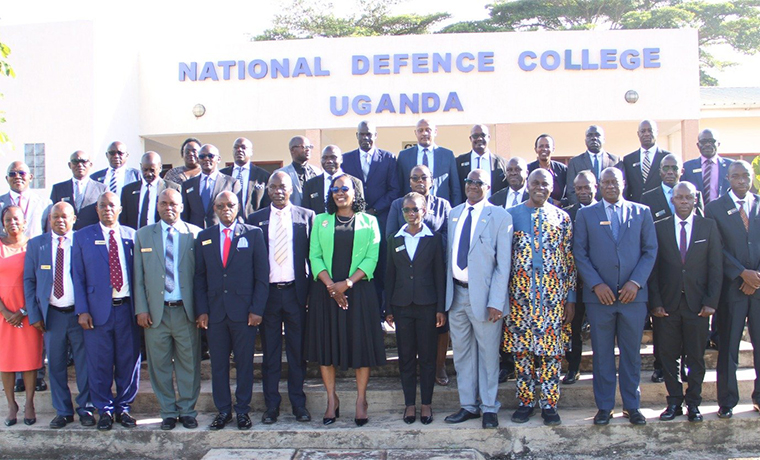
She made the remarks while delivering a lecture to senior military officers undergoing training at the National Defence College in Jinja. The training brought together officers ranging in rank from Major General to Colonel.
Her presentation focused on the theme of how unethical behavior can undermine security, stability, and national prosperity. She explained that the topic was timely, given the prevalence of unethical practices across multiple sectors of society. According to her, such practices are closely linked to corruption, as unethical conduct often creates conditions that enable corrupt activities.

She noted that engaging senior military officers at a strategic level was important, as the knowledge they acquire during training can influence decision-making and conduct within their respective units. She added that the officers demonstrated awareness of the challenges facing society and expressed readiness to contribute to efforts aimed at improving governance and accountability.

The Deputy IGG emphasized that corruption poses a serious risk in all sectors but warned that its impact is particularly severe when it affects the military. She explained that a compromised military can have far-reaching consequences for national stability, pointing to the risks associated with issues such as poor procurement practices, the existence of ghost soldiers, and failures in command structures.
She highlighted that the military plays a critical role in safeguarding the country against both internal and external threats, and therefore must maintain high standards of integrity and professionalism. Preventing unethical behavior within the forces, she said, is essential to ensuring operational effectiveness and public trust.
Addressing the broader fight against corruption, she called for collective responsibility, noting that leadership challenges often reflect wider societal values. She observed that public attitudes and choices, including electoral decisions, can influence the quality of leadership and governance.

On the role of institutions, she stated that the Inspectorate of Government is ready to collaborate with the UPDF and other stakeholders to strengthen anti-corruption efforts. She pointed out that the ongoing engagement with the military, including the lecture at the National Defence College, is part of a broader strategy to promote accountability and ethical conduct.
She also acknowledged the steps taken by Gen Muhoozi in addressing corruption within the army, noting that his actions have included both public warnings and enforcement measures. She indicated that such efforts provide an opportunity for institutional partnerships aimed at reinforcing discipline and transparency.
In recent developments, the UPDF has undertaken a series of actions targeting alleged corruption within its ranks. Over the past two years under Gen Muhoozi, at least 20 senior officers have been arrested as part of ongoing investigations and disciplinary processes.
Among the most recent cases are the arrests of Major General Don William Nabasa (Joint Staff Policy and Strategy, former Commander of the Third Infantry Division and former SFC commander) and Brigadier General Johnson Namanya who was later released after a friendly meeting with his boss (Gen Muhoozi). Their detention drawn attention within both military and political circles, raising questions about internal accountability mechanisms and the scope of the ongoing crackdown.
The developments signal a continued focus by military leadership on strengthening oversight and addressing malpractice within the force. The collaboration between the Inspectorate of Government and the UPDF is expected to play a role in supporting these efforts through both preventive and enforcement approaches.
As the training at the National Defence College continues, the emphasis on ethics and accountability is likely to remain central, reflecting broader national priorities in the fight against corruption. (For comments on this story, get back to us on 0705579994 [WhatsApp line], 0779411734 & 041 4674611 or email us at mulengeranews@gmail.com).