






By Ben Musanje
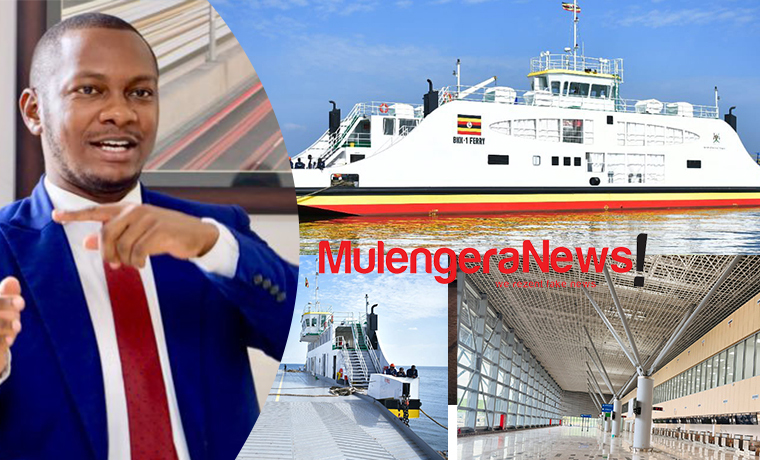
A spirited online debate about Uganda’s development was ignited after Allan Kyobe Ssempebwa, the senior communications officer at the Ministry of Works and Transport Uganda, strongly rejected claims that Uganda is a failed state.
Ssempebwa took to his X account to challenge the narrative, arguing that a country actively building major infrastructure cannot be described as collapsing.
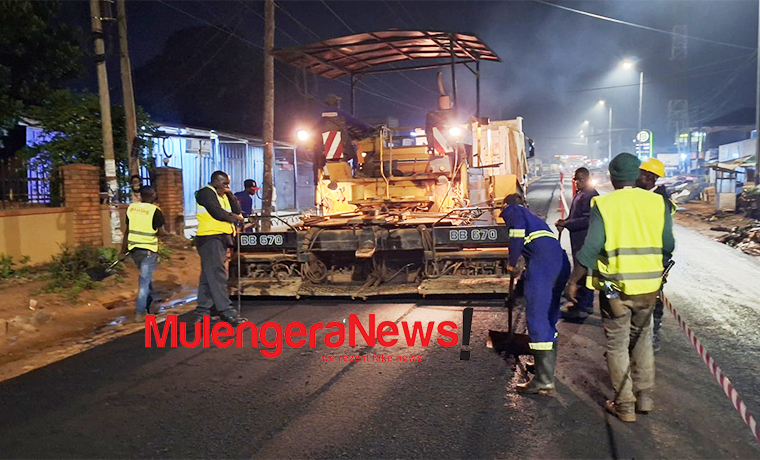
According to Ssempebwa, Uganda is currently investing heavily in roads, transport systems and aviation infrastructure. Across the country, projects to upgrade, rehabilitate and maintain road networks are ongoing as government pushes to modernize the nation’s transport system.

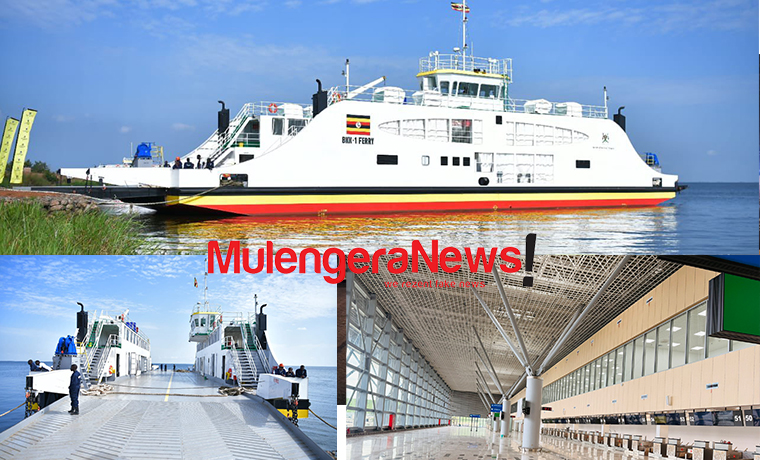
He pointed to major developments such as the expansion works at Entebbe International Airport, plans for the Standard Gauge Railway Uganda, and the proposed Kampala Light Rail Transit system as clear signs that the country is moving forward.

Uganda is also strengthening its water transport system with government vessels now operating on major lakes to improve connectivity between communities.
Quoting Ugandan scholar Rugyendo, Ssempebwa described the country as “a construction site,” emphasizing that development is visible in different parts of the country.
For the Works Ministry official, the cranes, construction crews and expanding infrastructure point to a country that is steadily building.

But his comments quickly sparked an intense public discussion online.
Some Ugandans supported his view. Amooti wa Masindi said those describing Uganda as a failed state may still be thinking about the country as it was decades ago. He argued that people need to recognize how much Uganda has changed over time.
Others raised questions about how some infrastructure projects are designed and implemented.
A user identified as First Pretty Daughter questioned the planning of roads in residential areas, asking why many roads lack designated taxi stages. She argued that the absence of such spaces forces taxis to stop in the middle of the road to pick up and drop off passengers.
Critics also weighed in.
Steven questioned the cost and timelines of certain road projects, suggesting that efficiency in public works remains a concern.
Another contributor, Chairman Terry, encouraged people to visit project sites themselves rather than relying only on social media discussions.
The debate grew even more heated when Bahomeza sharply criticized the government’s record. In response, Allan Kyobe Ssempebwa maintained a calm tone, saying public debate is necessary for national progress.
He stressed that Uganda should be seen as a country still developing rather than one that has failed.
Uganda, he wrote, is “a work in progress, not a finished project.”
The discussion continued with Bahomeza arguing that building bridges would provide better long-term solutions than ferries in some areas.
Other voices added their perspectives.
Milan Zaharah claimed many government projects remain incomplete across the country’s districts, while **3rdWorld Boss** argued that infrastructure development should be routine for any government.
At one point another commenter, Andereya, stepped into the debate with a brief Luganda remark cautioning critics not to go too far.
More participants joined the discussion. King Ibrahim questioned whether some infrastructure projects will deliver quality services to citizens, while Ayebare Arnold suggested Uganda could be seen as a “failing state” rather than a failed one.
However, Wabinyai Fidel countered the claim with statistics, pointing out that Uganda is not among the most fragile countries listed in the Fragile States Index.
Some contributors shared personal experiences from the road.
Nuwagaba Levian, also known as Vianix Ak Munyankore, described the challenging journey between Mbarara and Kampala, saying the travel experience can be difficult.
Meanwhile Luwaga Mathius complained about persistent potholes in Nateete, claiming some vehicles have overturned while trying to avoid damaged sections of the road.
Despite the criticism and differing opinions, the discussion highlighted how strongly Ugandans feel about infrastructure development and the country’s future.
For Allan Kyobe Ssempebwa, however, the cranes on skylines, expanding airport facilities, road works and transport projects remain a clear sign that Uganda is still building — step by step. (For comments on this story, get back to us on 0705579994 [WhatsApp line], 0779411734 & 041 4674611 or email us at mulengeranews@gmail.com).