






By Ben Musanje
Uganda’s national celebration of the Women’s World Day of Prayer evolved into a broader national conversation on land protection, women’s empowerment and economic transformation as the Minister for Lands, Housing and Urban Development, Judith Nabakooba, urged churches to secure their land and mobilize believers to participate in government development programs.
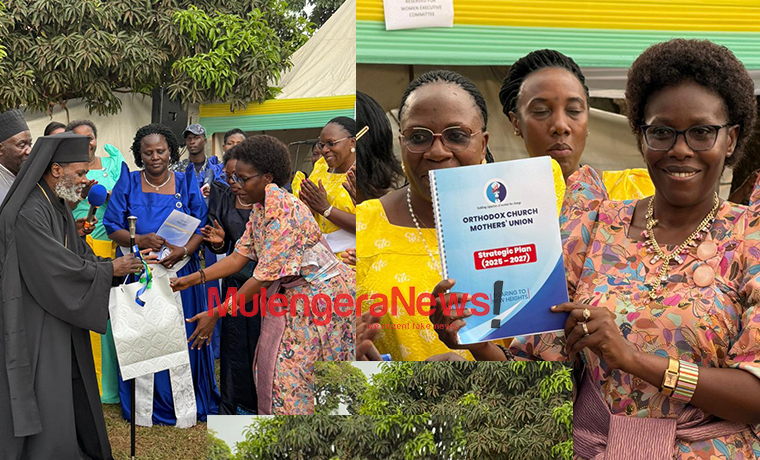
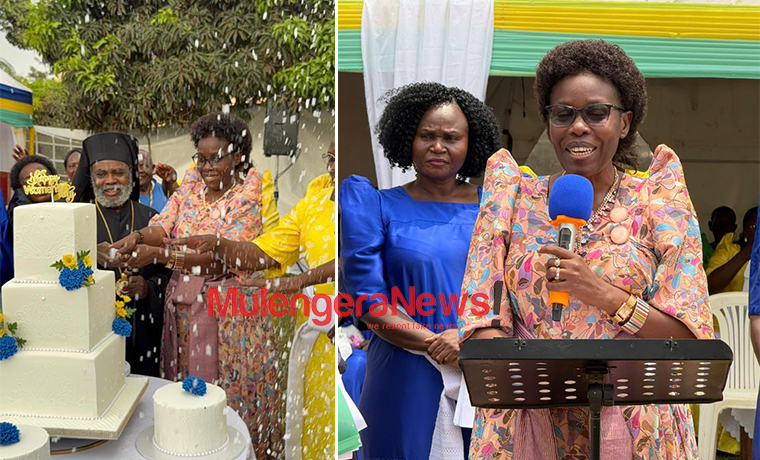
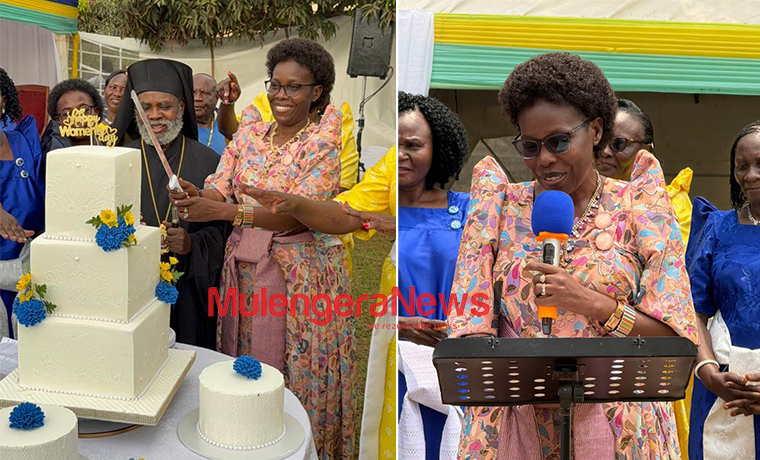
The national prayers were held at St. Nicholas Orthodox Cathedral in Namungoona, Rubaga division and brought together religious leaders, women groups and government officials for a day traditionally dedicated to spiritual reflection and intercession.
This year’s global observance, celebrated by Christian women in more than 150 countries, was led by Nigeria. In Uganda, the event was hosted by the Uganda Orthodox Church under the coordination of the Uganda Joint Christian Council (UJCC), a body that unites the Orthodox Church, the Roman Catholic Church and the Church of Uganda.

While the day centered on prayer and reflection, Nabakooba used the gathering to draw attention to issues she described as critical to the long-term stability of churches and communities.

The minister raised concern over the growing number of disputes involving church land, revealing that the Ministry of Lands has increasingly been handling complaints about religious property being encroached upon, illegally occupied or contested in court.
She explained that many churches historically acquired land through donations from communities, cultural leaders and well-wishers but never formalized ownership through proper registration and titling.
Because of this, numerous religious institutions now find themselves exposed to opportunistic individuals seeking to claim or occupy the land due to the absence of legal documentation.

Nabakooba stressed that surveying and formally registering church land was an urgent step that institutions could not afford to ignore.
According to the minister, legally documented land protects church assets and ensures that property dedicated to community service remains available for future generations.
She pointed out that many church-owned pieces of land host vital social services such as schools, health facilities and places of worship, making their protection a matter that extends beyond religious institutions to entire communities.
Beyond the issue of land management, Nabakooba emphasized the longstanding partnership between government and religious institutions in shaping the country’s social development.
She acknowledged the historical contribution of churches in education, healthcare and community development, noting that their moral authority and grassroots influence make them powerful agents of social transformation.
Because of this influence, the minister called on church leaders to actively support national development initiatives, particularly the Parish Development Model (PDM).
The Parish Development Model is a government program designed to transition Ugandans from subsistence living into the money economy through parish-level financial support and income-generating initiatives.
Nabakooba emphasized that churches possess a unique ability to reach millions of citizens through their congregations and therefore play a critical role in spreading awareness about government programs that aim to improve livelihoods.
She explained that through community mobilization by religious leaders, more families could access PDM funds, establish small businesses and improve household incomes.
The minister argued that economic empowerment at the family level ultimately strengthens communities and contributes to broader national development.
The gathering also served as a moment to reflect on the challenges facing women and families across Uganda.
Nabakooba highlighted issues such as gender-based violence, economic hardship and limited opportunities, noting that such realities continue to affect many households.
She suggested that the spirit of the Women’s World Day of Prayer should inspire believers to combine faith with practical action aimed at addressing these social challenges.
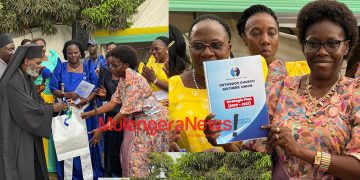
The minister praised the Orthodox Church Mothers Union Uganda for using the platform not only to pray but also to highlight issues affecting women and rally support for empowerment programs.
Their efforts, she noted, demonstrated how faith-based organizations can transform prayer gatherings into platforms for social awareness and community mobilization.
The reflection during the prayers was guided by the Biblical message from the Gospel of Matthew 11:28, which speaks about finding rest and strength in faith during times of burden.
Nabakooba indicated that the message strongly resonates with women who often carry heavy responsibilities within families, communities and workplaces.
As the prayers concluded, the minister called on believers to ensure that the day’s spiritual reflection translates into action, urging Christians to champion justice, peace and prosperity within their communities while working collectively toward national development. (For comments on this story, get back to us on 0705579994 [WhatsApp line], 0779411734 & 041 4674611 or email us at mulengeranews@gmail.com).