






By Ben Musanje
Governance analyst and Centre for Constitutional Governance Board Chairperson Godber Tumushabe has warned that Uganda is experiencing a serious governance crisis marked by weakening democratic institutions and growing concerns over the rule of law.
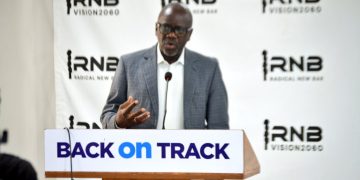
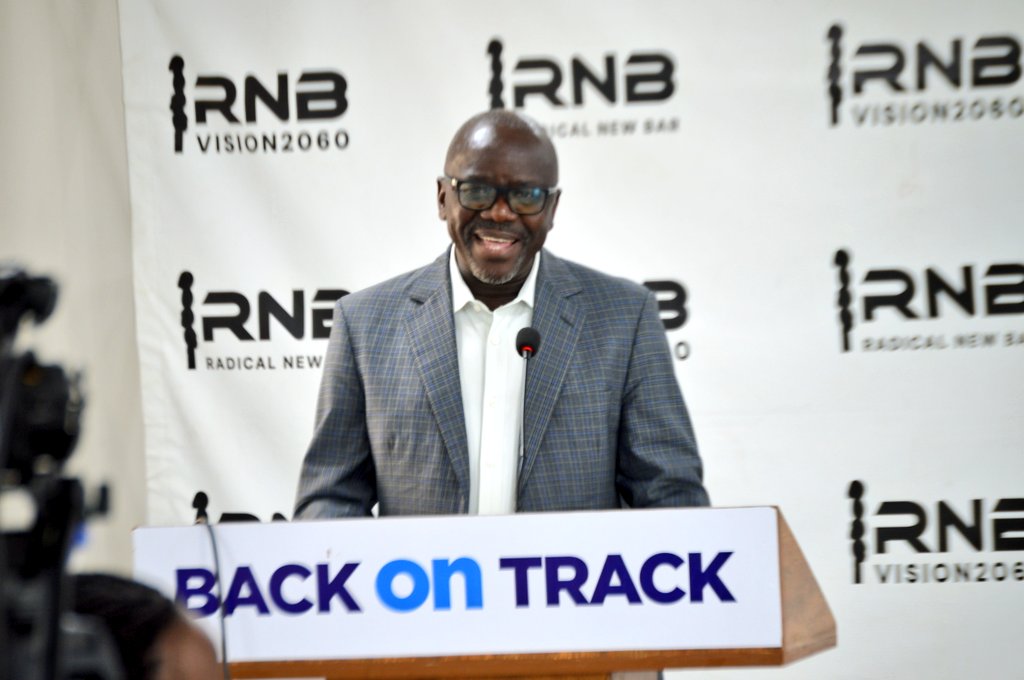
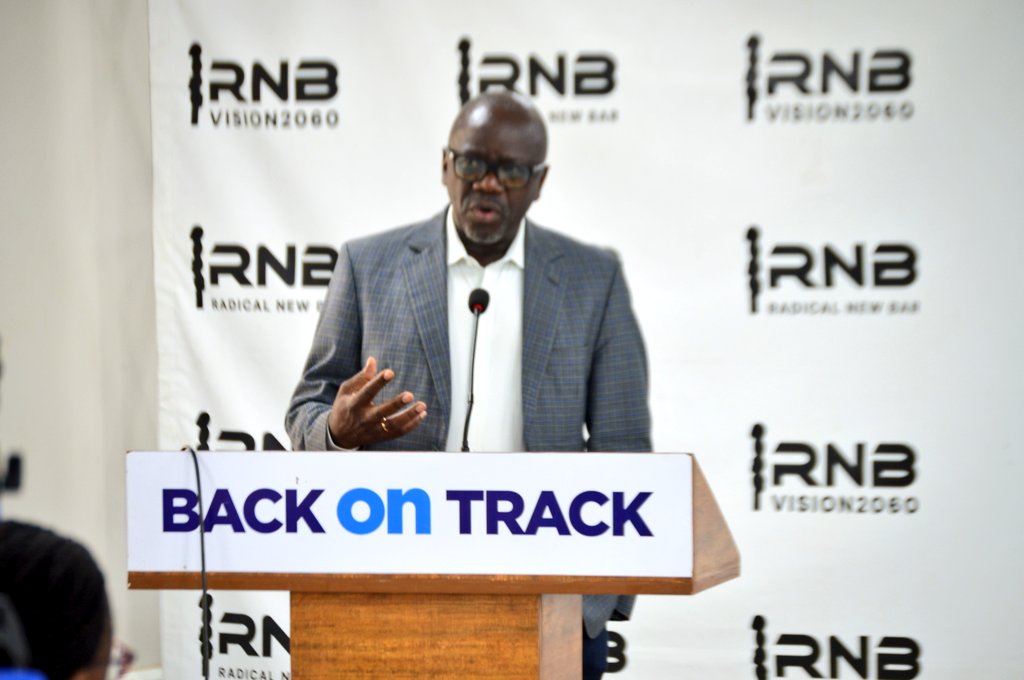
Speaking during a weekly press and public engagement session organised by the Radical New Bar at the Uganda Law Society, Tumushabe said recent political developments, including electoral processes and treatment of civil society organisations, raise questions about the country’s commitment to democratic principles.

According to Tumushabe, Uganda’s political environment has become increasingly militarised, particularly during elections. He pointed to reports of arrests, alleged abductions, and restrictions on political actors, arguing that such conditions undermine public confidence in electoral processes.

He described the situation as more than a political disagreement, suggesting that governance challenges now affect both individuals and institutions. In his view, civil society organisations and non-governmental groups have also become victims of the broader breakdown in legal protections.
Tumushabe criticized decisions by government agencies that rely on unverified allegations when taking action against organizations. He argued that institutions should follow due process and investigate claims thoroughly before imposing sanctions.
He further noted that Uganda is a member of international bodies such as the United Nations and the African Union, which set standards for elections, governance, and human rights. As such, he said political actors and activists are justified in raising concerns through international platforms when domestic mechanisms appear limited.

His comments come amid continued political tension, with opposition leader Robert Kyagulanyi, also known as Bobi Wine, addressing international audiences and accusing Ugandan authorities of human rights violations. Kyagulanyi recently delivered a video message to delegates at the Geneva Summit for Human Rights and Democracy, highlighting concerns about governance and political freedoms.
Tumushabe emphasized that restoring trust in governance requires strengthening institutions, protecting freedoms, and ensuring accountability for all actors. Analysts say his remarks reflect broader debates within Uganda’s civil society about the future of democracy and the balance between security and political freedoms.
As discussions around governance continue, observers note that voices from legal experts and civil society leaders are increasingly shaping national conversations about reform, accountability, and the direction Uganda should take in the coming years.