






By Ben Musanje
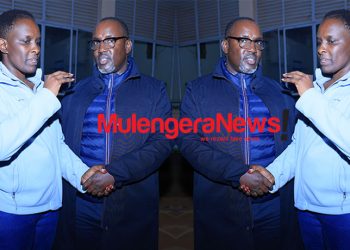
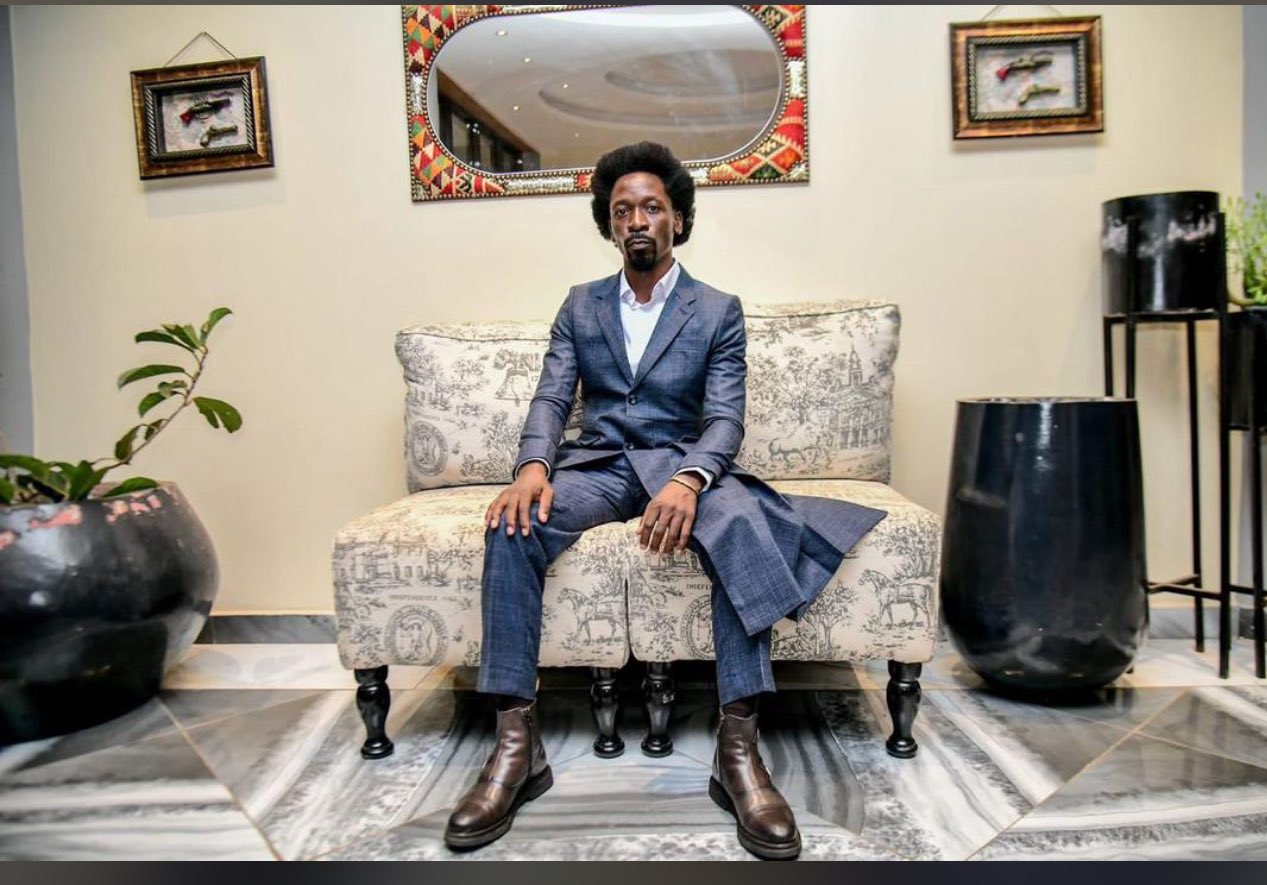
Uganda Law Society (ULS) President Isaac Ssemakadde has marked one year in forced exile with a powerful and emotional message that has reignited debate about justice, governance, and the role of civil society in Uganda’s future.
In a statement titled “Nowhere to Hide,” read on his behalf by Acting Central Representative Alexander Nkima Lule during the Radical New Bar (RNB) Weekly Press and public engagement at ULS headquarters in Kololo, Ssemakadde described Uganda as standing at a critical moment of national reckoning, warning that the country’s justice system and civil institutions are under growing pressure.
Ssemakadde, who left the country in early 2025 following escalating tensions linked to his outspoken criticism of state conduct, used the anniversary to reflect on the role of lawyers and civil society in defending democratic values. He was previously found guilty of contempt of court-related charges by then head of the Civil Division of the High Court, Justice Musa Ssekaana, a development that contributed to his departure from Uganda.

In his message, the ULS President argued that justice is more than legal procedures, ceremonies, or professional titles. Instead, he described it as a deeply rooted human value that predates modern education and serves as a foundation for peaceful societies.

He warned that throughout history, justice systems often become battlegrounds between ordinary citizens and powerful elites. According to him, Uganda’s legal profession has not been immune to this struggle, accusing some lawyers of using their legal knowledge to manipulate systems for power rather than protect the public interest.
Ssemakadde said Uganda has experienced decades of political instability, conflict, and governance challenges, arguing that the justice system has frequently operated under pressure or in retreat. He added that the promise of constitutional reform following political transitions had not delivered the expected transformation for many citizens.

Central to his message was a call for renewal within civil society, particularly through what he described as the “Radical New Bar,” a movement aimed at transforming leadership within the legal profession. He urged lawyers and activists to reject fear and complacency and instead build institutions that truly represent the needs of the population.
The anniversary message has drawn mixed reactions within legal and political circles. Supporters say it highlights the need for honest reflection and reform, while critics argue that the language used risks deepening divisions within the profession.
As Uganda Law Society marks seventy years since its establishment, Ssemakadde’s speech has sparked renewed conversation about the role of lawyers in shaping governance, protecting human rights, and strengthening democratic institutions. Whether his message will lead to tangible change remains uncertain, but observers say it signals growing tension between segments of civil society and the state.