







By Ben Musanje
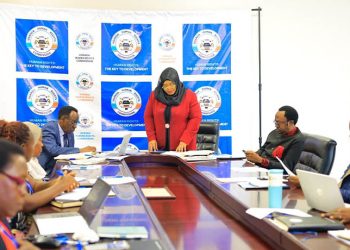
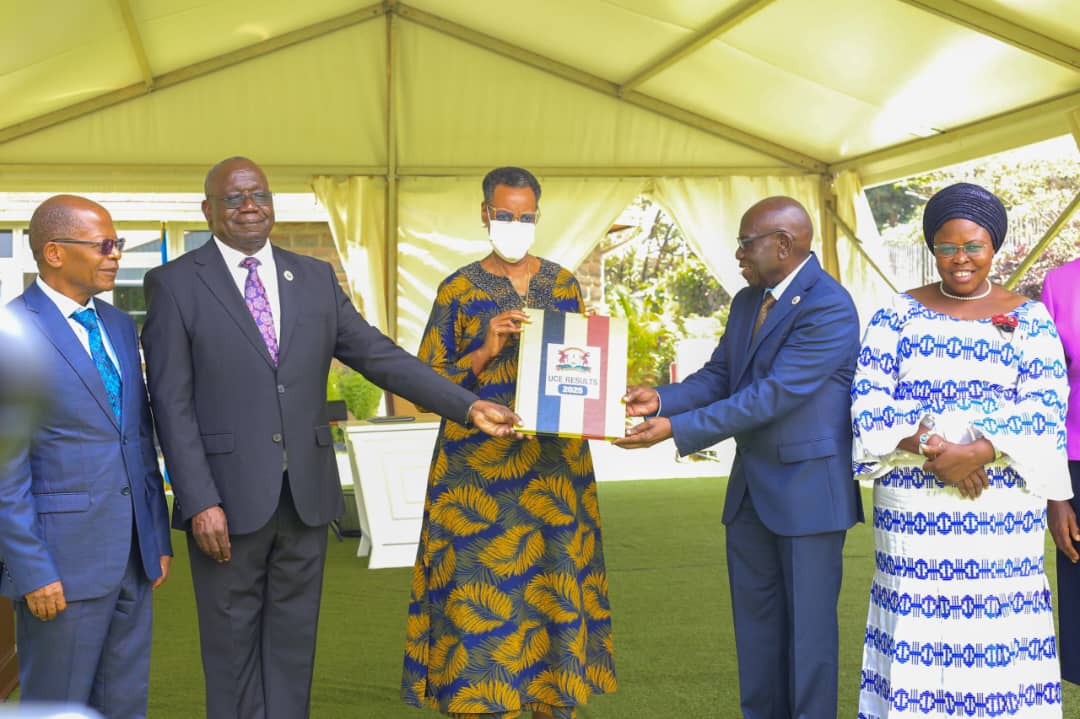
Excitement filled the air as the Uganda National Examinations Board (UNEB) released the 2025 Uganda Certificate of Education (UCE) results — but behind the celebration, a serious warning emerged.
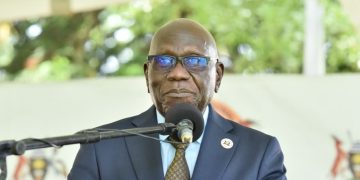
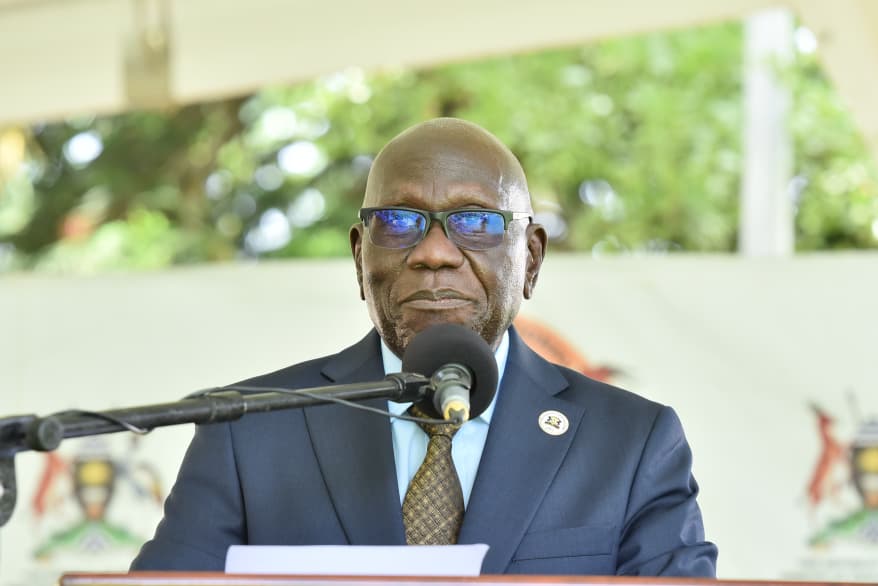
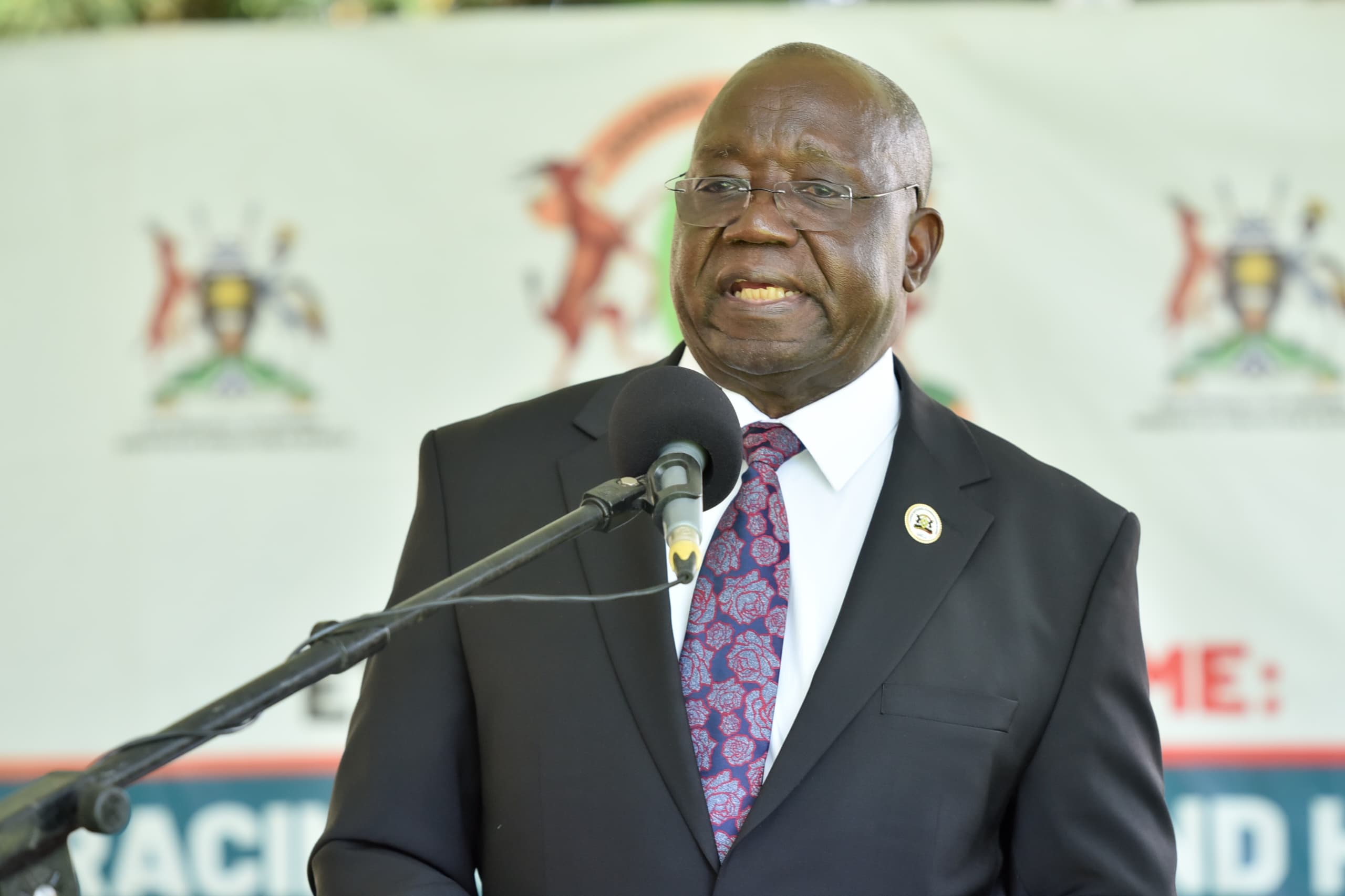
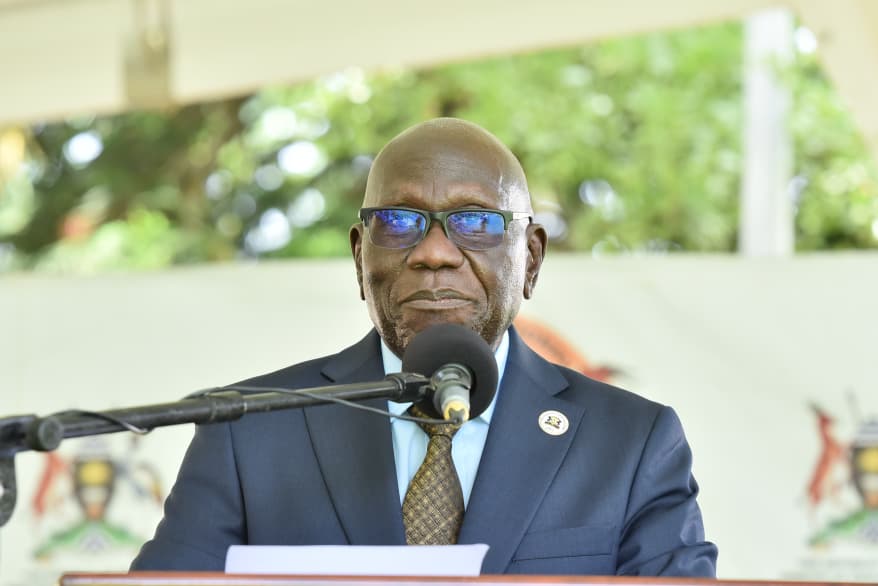
UNEB Chairperson, Professor Celestino Obua, described 2025 as a “very busy year,” saying the Board had grown stronger and more confident in handling the Competency Based Curriculum (CBC). Unlike the old system, the new curriculum requires exam questions to be carefully tested and analyzed before they are used. He praised UNEB staff for successfully releasing results for the second group of learners under the new system.
The numbers tell a dramatic story. A total of 429,949 candidates sat for the examinations in 2025, a sharp increase from 357,120 in 2024. Even more striking, the percentage of candidates who qualified for the UCE certificate rose, while those who failed dropped from 1.9 percent last year to just 0.31 percent this year. Under the new system, any candidate who qualifies for the UCE certificate receives “Result 1.” Those who miss some requirements receive “Result 2,” while “Result 3” is given to those who scored below basic level in all subjects.

Performance improved notably in Christian Religious Education, Geography and English Language, giving further strength to claims that the new curriculum is working.

Professor Obua revealed that UNEB conducted a study to compare learners under the old content-based curriculum and the new CBC system. According to the findings, learners under CBC are more creative, more innovative, better at research and stronger in communication skills. He said the curriculum is designed to produce the kind of citizens Uganda needs to drive socio-economic transformation toward middle-income status.
However, the celebration was quickly overshadowed by serious concerns.
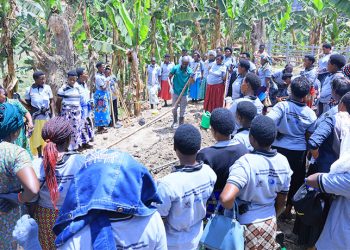
The study uncovered major gaps that could weaken the teaching and learning process. Many schools lack adequate libraries and internet facilities, making it difficult for learners to conduct research. Large class sizes are overwhelming teachers and limiting individual attention. Project work is proving expensive for families. Some learners feel they do not have enough time for research and even suggested that classes should end earlier.

More alarming were concerns about the integrity of Continuous Assessment (CA) scores. Teachers expressed worry that some schools may be submitting marks that do not truly reflect learners’ actual work. Professor Obua made it clear that UNEB takes this matter seriously and will introduce strict monitoring and evaluation across schools to ensure compliance. He also warned that schools submitting CA scores late — sometimes months after deadlines — risk facing sanctions, especially where learners’ grading is affected.
He praised teachers for adapting to the new curriculum despite limited specialized training and thanked parents for supporting their children through the transition. He also expressed gratitude to John Chrysestom Muyingo, Minister of State for Higher Education, who officiated the swearing-in of UNEB’s 12th Governing Board on February 9, 2026, ensuring the Board’s work continues without interruption.
In a move that brought relief to many families, UNEB announced that candidates who wish to repeat will not have to return to Senior Three. Their previously submitted Continuous Assessment and project scores will still be considered.
As Uganda celebrates record-breaking success under the Competency Based Curriculum, one message stands out clearly from Professor Obua’s remarks: the new system is promising, but unless the gaps are urgently addressed, its full potential could be at risk. (For comments on this story, get back to us on 0705579994 [WhatsApp line], 0779411734 & 041 4674611 or email us at mulengeranews@gmail.com).