






By Ben Musanje
Primary teachers across Uganda are finding it difficult to effectively deliver the new competency-based curriculum, raising serious concerns about the future of learning, even as the country records improved performance in national examinations, the Uganda National Examinations Board (UNEB) has revealed.
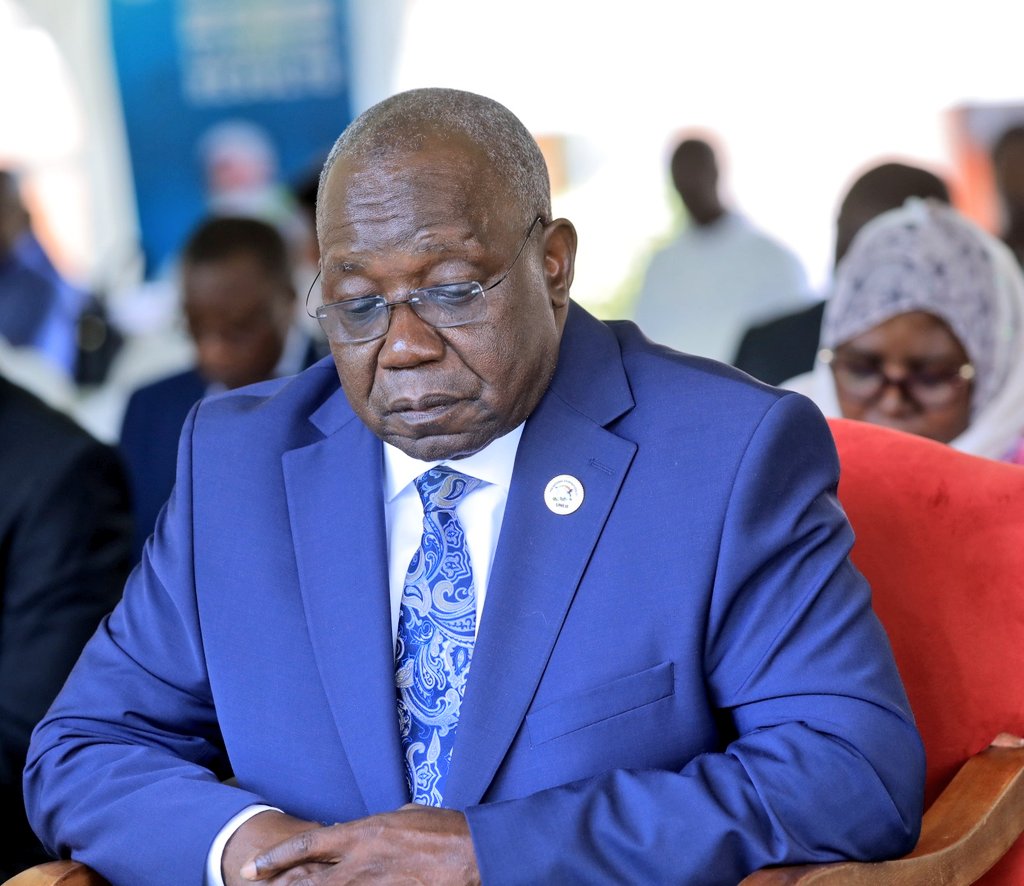
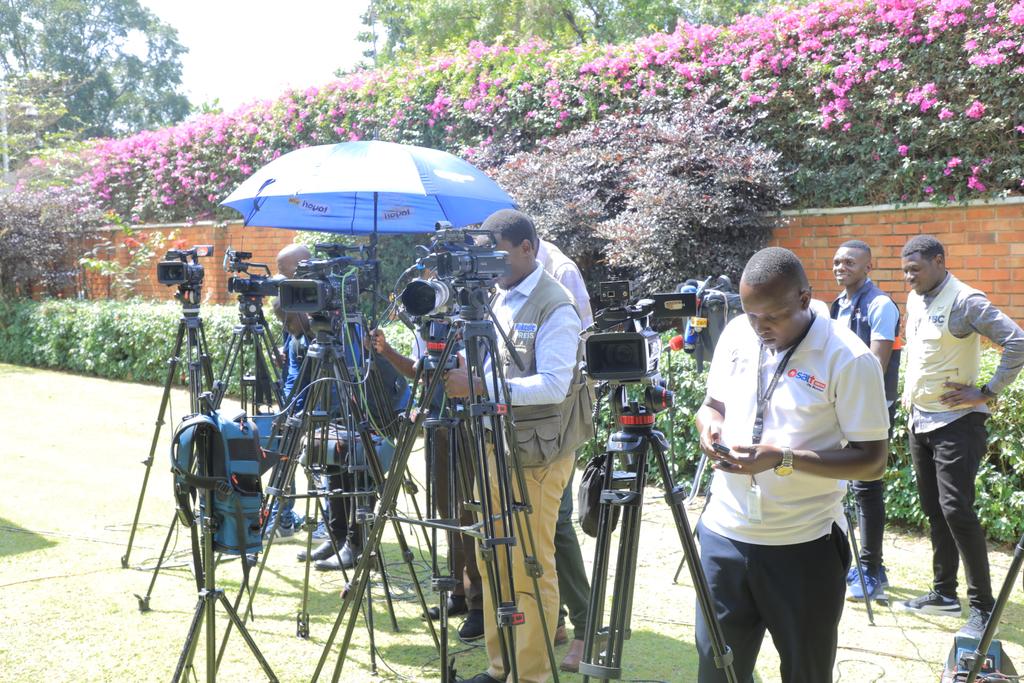
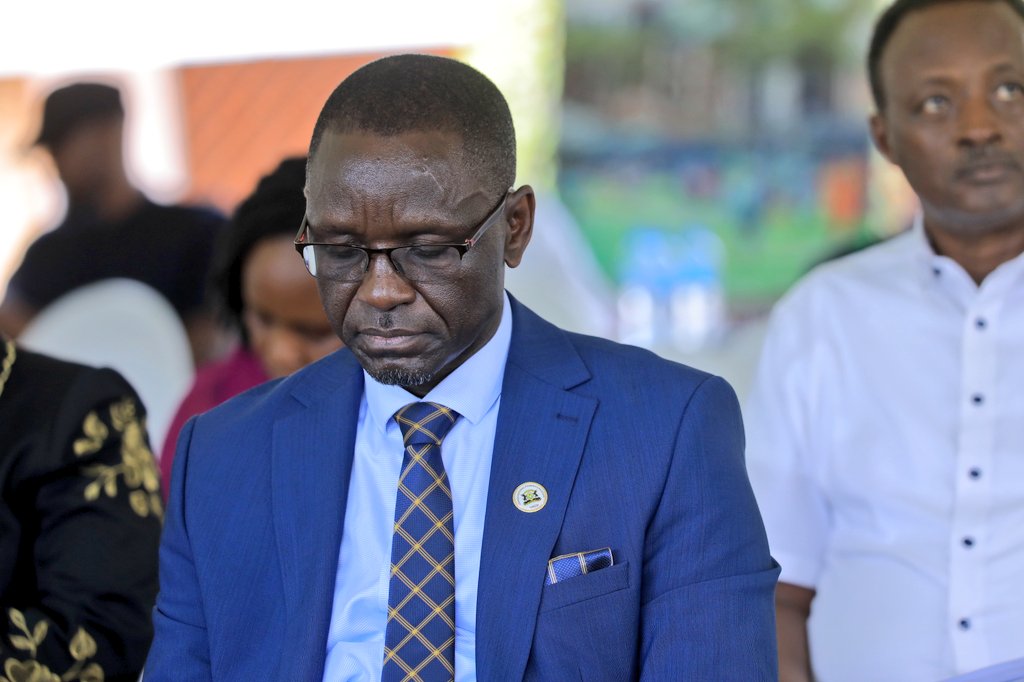
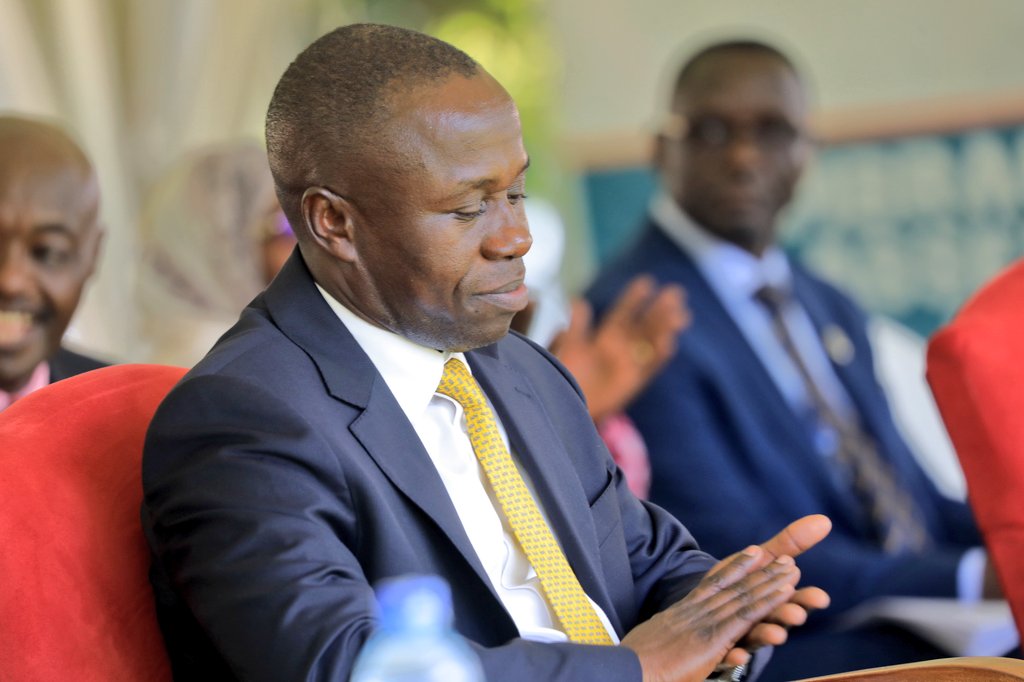
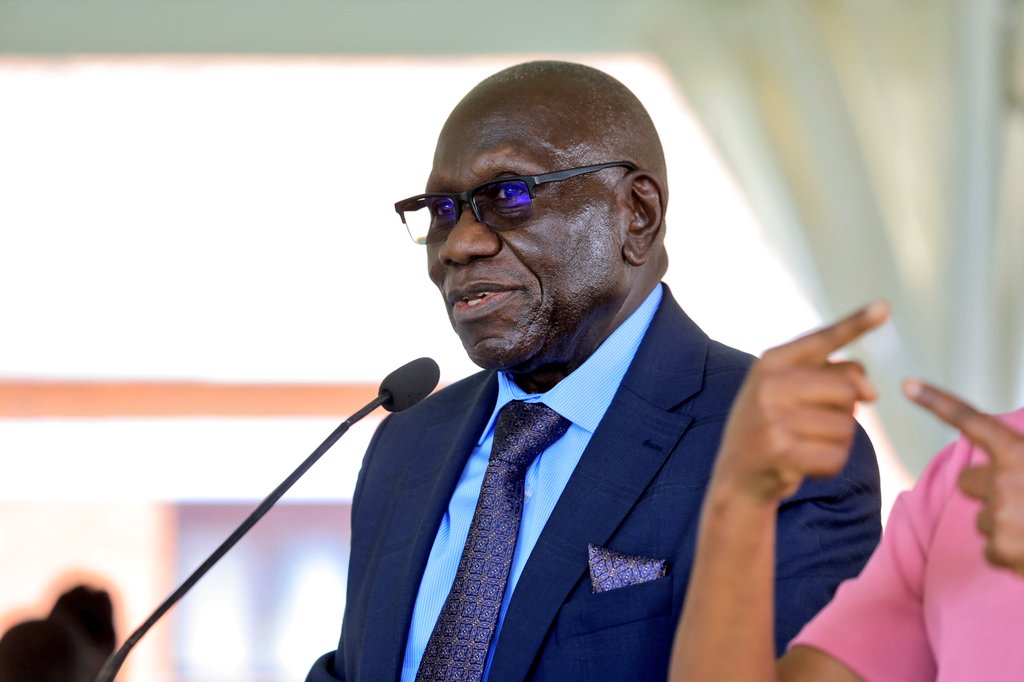
Speaking during the release of the 2025 Primary Leaving Examination (PLE) results at State Lodge Nakasero on Friday, UNEB Chairperson Prof. Celestine Obua said candidature continues to rise every year, while absenteeism has remained steady at 1.3 percent over the last two years. Although the figure appears small, Prof. Obua warned that every learner who drops out of school is a matter of national concern.
He noted that performance at the Grade One pass level improved compared to the 2024 PLE, with more learners qualifying to move on to the next level of education. According to UNEB, a total of 730,000 learners passed and are eligible to join secondary schools and vocational institutions. Prof. Obua expressed confidence that government efforts to expand access to post-primary education will ensure that all successful candidates secure placement.

However, beneath the improved pass rates lies a troubling reality.

For the second year in a row, UNEB conducted an in-depth item analysis of the four examination papers to assess the proficiency levels achieved by learners. This analysis is part of the country’s broader shift from content-based learning to a competency-based curriculum, where learners are expected to apply knowledge, solve real-life problems, and demonstrate practical skills.
The findings were clear and worrying.
UNEB concluded that many teachers are not yet fully prepared to teach under the new curriculum. According to Prof. Obua, teachers require substantial capacity-building support to correctly interpret the curriculum and adjust their teaching methods to match the new learning approach.

“Teaching has changed, assessment has changed, but many teachers are still teaching as though nothing has changed,” he said.
The mismatch between classroom teaching and examination demands has left many learners struggling to answer questions that require reasoning, creativity, and application of knowledge. Instead of recalling memorized facts, learners are now expected to relate lessons to their communities, daily experiences, and national issues—something many were not adequately prepared for.
In response to the findings, UNEB has taken steps to support teachers. Over the last two years, the Board identified two local governments with the lowest learner achievement and provided targeted capacity-building training to selected teachers. While the intervention is modest, Prof. Obua said it will be sustained subject to availability of funds, as a contribution to wider efforts by the Ministry of Education and Sports.
UNEB Executive Director Dan Odongo said examiners and curriculum specialists commended the overall quality of the 2025 PLE examination papers, noting that they clearly reflected the paradigm shift toward competency-based learning. Questions were designed to test learners’ ability to apply knowledge and skills rather than simply recall information.
However, Odongo acknowledged that some teachers, particularly in Social Studies and Religious Education have not fully adapted to the new teaching style. As a result, many candidates struggled with questions that required them to analyze situations, interpret social issues, and relate learning to their communities and the country.
This challenge partly explains the decline in performance in Social Studies and Religious Education compared to the 2024 PLE, UNEB said.
Examiners also raised alarm over the negative influence of misleading revision materials developed and circulated by so-called examination bureaus shortly before the exams. These materials, UNEB said, confused learners, promoted memorization, and failed to prepare candidates for competency-based assessment, ultimately affecting their performance.
The 2025 examinations were conducted under the theme “Embracing Security and Holistic Assessment of Learners in a Dynamic Environment,” the same theme used in 2024. According to UNEB, the continued use of the theme highlights ongoing challenges in ensuring safe, fair, and meaningful assessment of learners.
As the country pushes forward with education reforms, UNEB says strengthening teacher capacity is no longer optional. Without well-trained teachers who understand and embrace the new curriculum, officials warn that learners may continue to struggle, despite improved pass rates.
With UNEB planning expanded capacity-building initiatives, education stakeholders say the success of the competency-based curriculum now depends largely on how quickly and effectively teachers are supported to change the way they teach. (For comments on this story, get back to us on 0705579994 [WhatsApp line], 0779411734 & 041 4674611 or email us at mulengeranews@gmail.com).