






By Ben Musanje
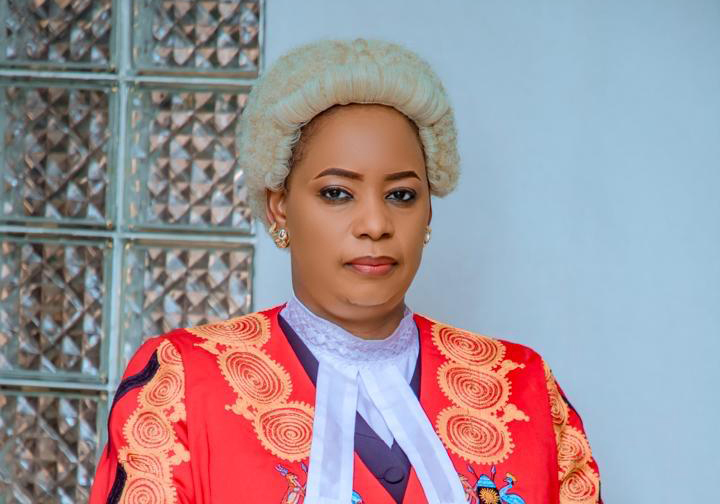
The Inspector General of Government (IGG), Justice Aisha Naluzze Batala, has called on Buganda youth leaders to uphold national values, embrace accountability and place patriotism above apathy as Uganda approaches the presidential and parliamentary elections.
Justice Naluzze made the remarks while addressing about 200 Buganda youth leaders during the Buganda Nkobazambogo National Leadership Mentorship meeting held at Makerere University. The youths were drawn from at least 10 institutions of higher learning, including Makerere University, Kyambogo University, Kampala International University, Kampala University, Busitema University, Islamic University in Uganda (IUIU), Buganda Royal University, and other tertiary institutions.
Her address came two days ahead of the January 15, 2026 general elections, a period characterized by heightened political activity and increased youth mobilization across the country.
Speaking to the gathering, Justice Naluzze first explained her decision to deliver her presentation in English, noting that Nkobazambogo brings together both Baganda and non-Baganda members. She emphasized inclusivity and thanked the organizers for inviting her to engage with young people from Buganda and beyond, whom she described as occupying a “very meaningful place” in Uganda’s national journey.

“You are educated, connected, aware, and living in a moment of global transformation,” she said, adding that Uganda needs youth not only as professionals and innovators, but as responsible citizens who uphold values and demand accountability.

Justice Naluzze anchored her remarks on the role of youth in upholding national values and advancing accountability, noting that every society has a soul expressed through its values. She explained that values shape how people live together, resolve disagreements, manage public resources and imagine their future.
Drawing from Buganda culture, she observed that values such as dignity, respect, responsibility, order and care for the vulnerable are not only taught but lived, inherited and reinforced through homes, clans, the institution of the Kingdom and cultural norms. She noted that these cultural values are deeply aligned with Uganda’s national ethical values, including integrity, honesty, hard work, justice, fairness, social harmony, social responsibility, patriotism, creativity and innovation.
“Values give us moral direction. Without them, power becomes abusive, leadership becomes self-serving and development becomes meaningless,” she said, stressing that Uganda must be a value-based nation if it is to prosper.

The IGG emphasized that values form the seedbed of accountability and the first line of defense against corruption. She cited Article 21 of the Constitution, which provides that all public offices are held in trust for the people, leaders must be answerable to the public, and lawful measures must be taken to expose, combat and eradicate corruption, abuse of office and misuse of power.
“This is the core mandate of the Inspectorate of Government,” Justice Naluzze said, explaining that her office is constitutionally tasked with protecting public resources, checking abuse of power by public servants and ensuring transparency and ethical conduct in public institutions.
She further referenced Article 17 of the Constitution, which outlines the duties of citizens, including patriotism and loyalty to Uganda, contribution to national development, responsible citizenship, protection of public property and cooperation with law enforcement agencies. She noted that these duties apply equally to young people, placing accountability not only on public officials but on all citizens.
“Accountability is both a legal responsibility and a civic obligation,” she said.
Justice Naluzze also highlighted that accountability has long existed in Uganda’s traditional governance systems, citing institutions such as the Lukiiko, clan hierarchies and the authority of chiefs, all of which operated on responsibility and respect. She noted that in Ugandan culture, dignity is inseparable from responsibility, and respect cannot be demanded without ethical conduct.
“One cannot claim dignity without demonstrating responsibility, and one cannot demand respect while practicing impunity,” she said, adding that a good name is earned through conduct, not inherited.
Turning to the fight against corruption, Justice Naluzze warned that the vice is far from harmless. She said corruption steals medicine from health facilities, desks from classrooms, jobs from graduates and ultimately weakens the state and undermines service delivery.
She urged the youth to feel personally accountable in their actions, noting that corruption prospers where values are weak and accountability is absent, with serious consequences for national development.
With Uganda’s youth making up more than 75 percent of the population, Justice Naluzze outlined practical roles young people can play in promoting accountability. These include serving as integrity ambassadors by speaking out against wrongdoing, demanding transparency from leaders, acting as whistleblowers to defend public interest, and using technology and innovation responsibly to combat corruption rather than create insecurity.
She cautioned against the careless use of social media, urging young people to harness platforms such as TikTok for meaningful engagement and innovation rather than exposing themselves to risks.
She further encouraged youth associations, including Nkobazambogo, to serve as platforms for grooming ethical leaders, nurturing accountability from the grassroots to the national level. She also called on young people to act as cultural guardians by reviving cultural ethics that naturally reinforce dignity, order and responsibility.
On patriotism, Justice Naluzze urged the youth to honor their respective cultures—whether Muganda or from other regions—without causing division or imposing them on others. She emphasized that patriotism should take precedence over apathy, and integrity over corruption.
“Uganda needs a generation of youth that chooses responsibility over indifference, patriotism over apathy and integrity over corruption,” she said, describing this as the defining contribution of the current generation to the country’s destiny.
She concluded by calling on young people to embrace integrity, defend accountability, reject corruption, demand transparency and serve the nation with dignity and honor as Uganda moves through a critical electoral period. (For comments on this story, get back to us on 0705579994 [WhatsApp line], 0779411734 & 041 4674611 or email us at mulengeranews@gmail.com).