








By Isaac Wandubile
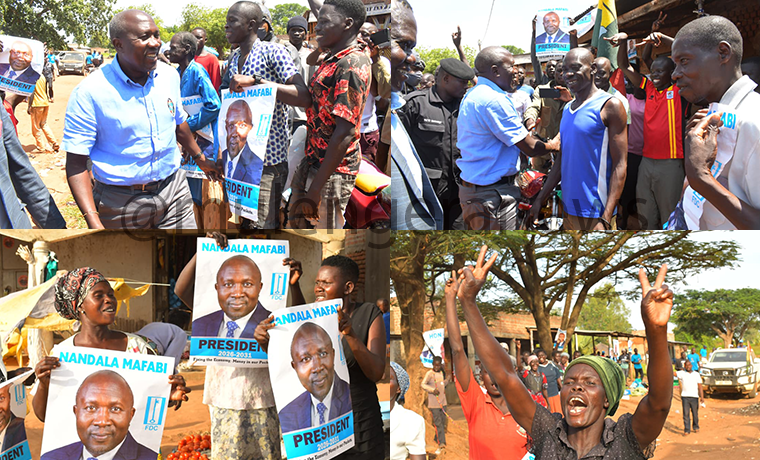
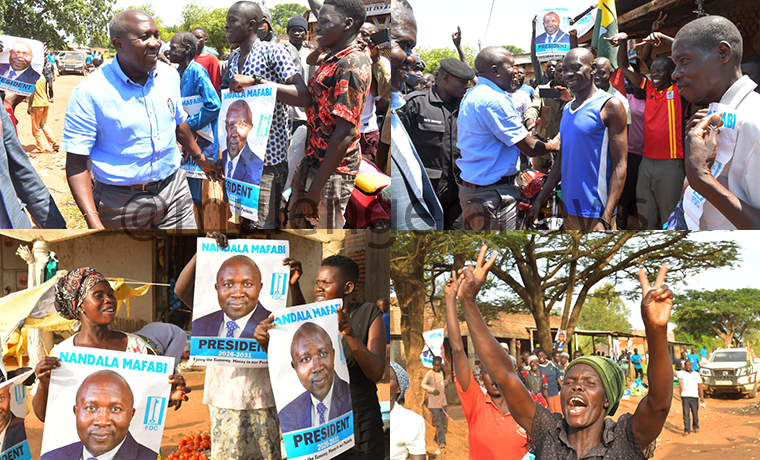
In the dusty streets of Alibo, Madi-Okolo District, a crowd gathered with anticipation, their faces etched with hope and weariness.
The air buzzed with the promise of change as Forum for Democratic Change (FDC’s) presidential candidate, Nathan Nandala Mafabi, strode to the podium, radiating the confidence of a man who has spent decades in Uganda’s political trenches.

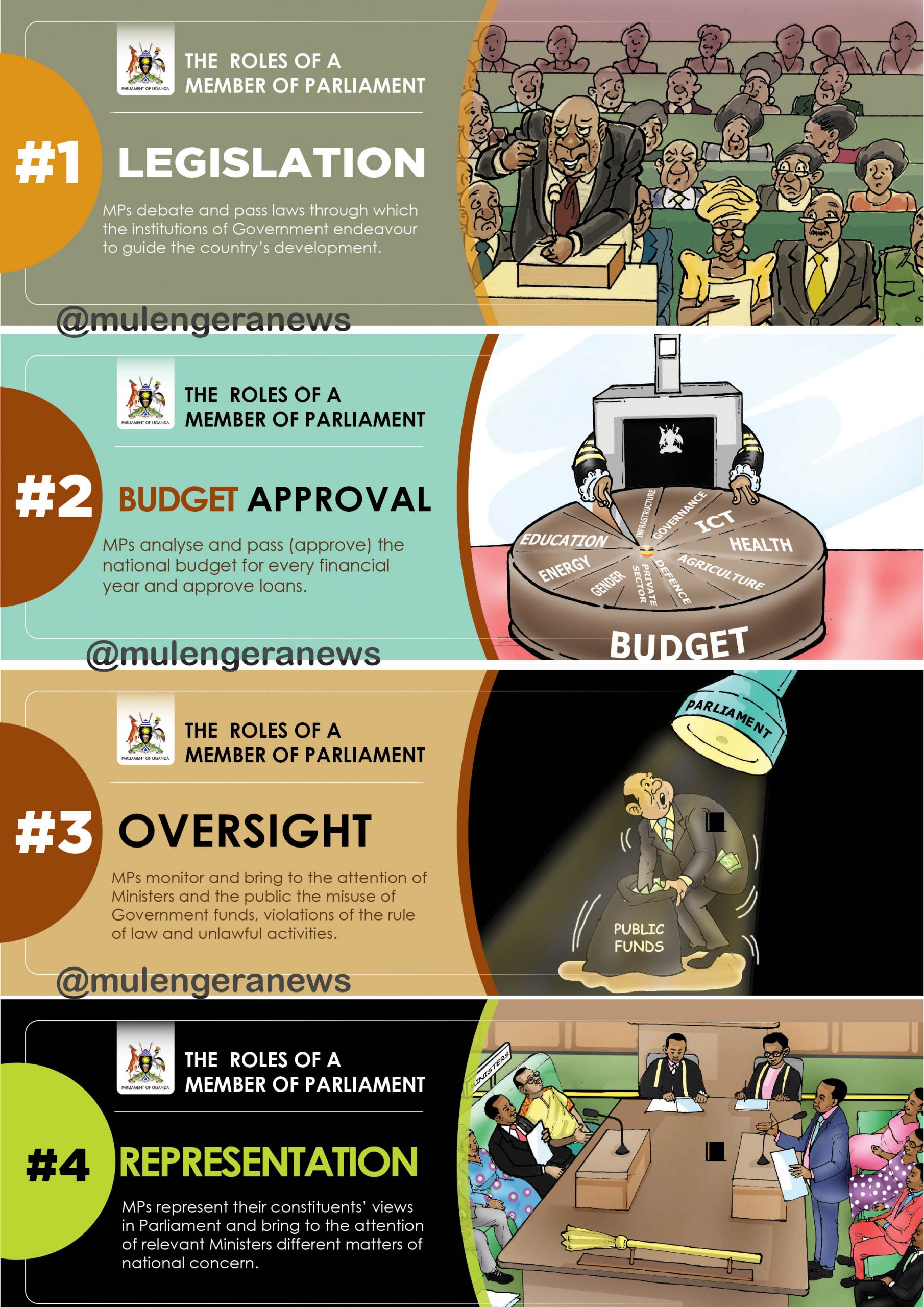
For 25 years, Mafabi has represented Budadiri West in Sironko District, and now he claims the experience, education, and moral authority to tackle a challenge that has plagued the nation for decades: corruption.

“People of Madi-Okolo and Terego, I ask you this,” Mafabi shouted, his voice echoing off the tin-roofed buildings. “Where is it written that Alibo should not have tarmac in its sub-county? Why must you remain poor, beggars in your own country, when you pay taxes?”
His words hit like lightning. He painted a vivid picture of the ordinary Ugandan’s struggle: the tomato farmers who sell every fruit only to buy soap, sugar, and other basic necessities, realizing that all those purchases feed into taxes that vanish into the coffers of a government that ignores them. “The money you pay does not come from heaven!” Mafabi thundered. “Yet what does the government do? They use your taxes to fund programs like PDM, bringing you only a fraction of what they have stolen, while blindfolding you to the truth!”
The crowd murmured in agreement, anger simmering beneath their tentative smiles.

Mafabi didn’t stop there. He recounted a litany of so-called development programs “Entandikwa”, “Bona Bagagawale”, PDM—all campaigns that promised transformation but delivered only disillusionment. “Who has left poverty because of these programs?” he asked, letting the silence answer for him.
Then came the direct attack on the long-standing President Yoweri Museveni.
Mafabi’s words were sharp, almost electric. “Museveni has even admitted there is corruption,” he said, eyes blazing. “But he is protecting those who steal from you. The ministers who stole iron sheets meant for Karamoja? He has ordered that they should not be prosecuted! This is a government that rewards thieves and punishes the poor!”
It was a bold statement, yet Mafabi’s rhetoric was not just anger, it was strategy, a call to action. “I, Nandala Mafabi, give me the opportunity to fight these thieves, to end the looting of our country!” he proclaimed. “You have a chance to choose whether you remain begging from Museveni, who has cheated you for 40 years, or to change the status quo and reclaim your dignity.”
Mafabi’s appeal was deeply personal. He positioned himself as not just a politician, but a servant of the people—a president in the true sense, rather than a ruler. “A president is supposed to serve, not boss those who give him votes,” he declared.
He painted a vision of a country where the ordinary citizen benefits from their labor and taxes, where roads, schools, and health services are not privileges, but rights.
He underscored his own qualifications, weaving his long career and diverse expertise into a tapestry of competence. “Among the eight presidential candidates,” he said, “I am the most qualified, the most experienced, and the most exposed. I am a farmer, a teacher, a lawyer, an accountant, an auditor, a tax man, and I have been in parliament for 25 years. I understand what must be done, and I can lead this country to change.”
The crowd erupted in applause. T-shirts bearing his name fluttered in the warm wind, billboards of his image dotted the horizon, and posters called for his leadership.
Mafabi knew the power of symbolism, yet he grounded his campaign in the real and tangible: ending corruption, delivering justice, and ensuring that Ugandans’ taxes translate into meaningful development.
As he spoke, the urgency of his message became clear. Mafabi was not offering platitudes; he was issuing a challenge—to Museveni, to the entrenched elite, and most importantly, to the people themselves. “You have the power to decide,” he said. “Do you want to continue being deceived and kept in poverty, or will you rise and demand the change that is long overdue?”
By the time Mafabi stepped down from the podium, the sun was beginning to set over Alibo, casting long shadows over the excited crowd.
His message had been delivered loud and clear: corruption had met its match, and if given the chance, he would lead Uganda into a new era of accountability and fairness.
In a country where promises of development have too often been empty, Nathan Nandala Mafabi presented a vision that was both simple and revolutionary—a plea for trust, a fight against theft, and a call for dignity.
His campaign is not merely about winning votes; it is about reclaiming the soul of a nation.
And in the hearts of the people of Madi-Okolo and Terego, the question lingered: would they dare to believe that change is possible after 40 years of disappointment, or would they remain trapped in a cycle of hope deferred? Only time and the next election would tell. (For comments on this story, get back to us on 0705579994 [WhatsApp line], 0779411734 & 041 4674611 or email us at mulengeranews@gmail.com).