







By Guest Writer
In Uganda, particularly within Namutumba District, vulnerable groups such as women, youth, and children are disproportionately impacted by the adverse effects of climate change, which disrupts traditional livelihoods. The district’s economy largely depends on subsistence farming, with women playing a pivotal role in small-scale crop production for sustenance and income generation. However, escalating climate variability has led to land degradation, compelling many farmers to adopt rice cultivation. While initially profitable, this shift has exerted additional pressure on the district’s fragile wetland ecosystems, exacerbating environmental challenges.
In response to these challenges, a significant intervention was initiated in 2020 through a government-led project titled Building Resilient Communities, Wetland Ecosystems and Associated Catchments in Uganda. This initiative, supported by the Government of Uganda, the Green Climate Fund (GCF), and the United Nations Development Programme (UNDP), aimed to restore the Mpologoma wetland system and enhance community resilience. The project emphasised extensive community engagement, focusing on raising awareness about climate change impacts and promoting wetland conservation and restoration practices.
As part of the intervention, many households voluntarily relocated from wetland areas in exchange for support in adopting sustainable livelihood options. These alternatives included horticulture, beekeeping, aquaculture, piggery, dairy farming, and poultry rearing, complemented by practical skills training. To sustain these efforts, the government established a Wetland Wise Use Demonstration Site, serving both as a direct benefit to relocated households and as a community learning hub for sustainable practices and climate-smart technologies.
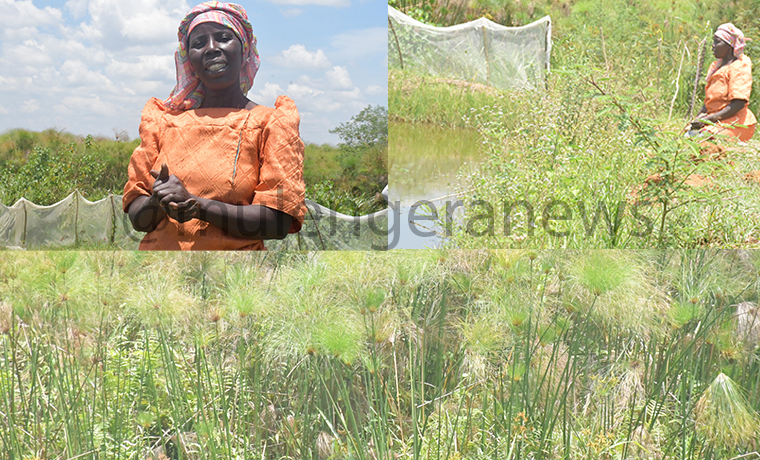
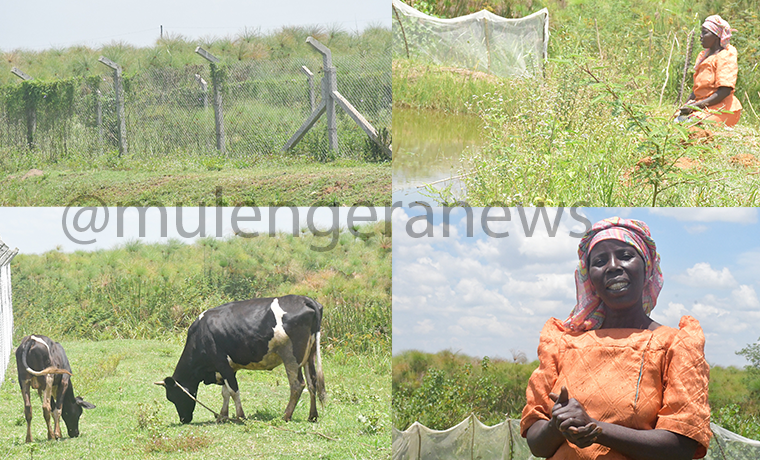
Women have increasingly become key advocates and innovators within these initiatives, particularly in aquaculture. They have established at least 20 fishponds, transforming climate-induced vulnerabilities into opportunities for empowerment and economic independence. This shift not only enhances household income but also improves nutritional outcomes, contributing to overall community resilience.
Sarah Naizwana, a local fish farmer, exemplifies this transformation: “As women, we are the ones who suffer most from the impacts of climate change. We were the ones deeply involved in rice growing, struggling to feed our children. Fish farming has changed that. It not only helps us earn an income but also improves our family’s nutrition. Whenever I want to change our diet, I fish from my pond — I do this twice a week,” she stated, reflecting the positive impact of these initiatives.
With the ongoing regeneration of the Mpologoma wetland, communities are also benefiting from increased capture fishing during seasonal floods, further bolstering food security and livelihoods. These adaptive strategies demonstrate the importance of resilience, innovation, and collaborative efforts in addressing climate change impacts.
In conclusion, the women of Namutumba are not only adapting to climate change but are also leading their communities toward a sustainable, inclusive, and food-secure future through proactive engagement, innovative practices, and community-driven resilience initiatives. (For comments on this story, get back to us on 0705579994 [WhatsApp line], 0779411734 & 041 4674611 or email us at mulengeranews@gmail.com).