



By BM
Justice Elizabeth Jane Alividza, High Court Judge and President of the International Association of Women Judges Uganda, has spent over 30 years at the heart of Uganda’s complex and often controversial debate surrounding the death penalty.
In a moving reflection during an event held at the offices of Penal Reform International (PRI) in Muyenga, Kampala, to mark the 23rd World Day Against the Death Penalty and launch an Information Pack on Alternatives to the Death Penalty, Justice Alividza shared her personal journey and unwavering commitment to transforming Uganda’s capital punishment system toward a more humane and just approach.
Justice Alividza recalled the early 2000s when, as a registrar at the Court of Appeal, she witnessed firsthand the resistance within the judiciary to even entertain reforms that would abolish the mandatory death penalty. “Convincing judges to consider alternatives was nearly impossible,” she said. “The mindset was deeply rooted in ‘life for life,’ influenced by societal violence, faith, and tradition.”
However, through persistent advocacy and training over the years, Justice Alividza played a pivotal role in the landmark reform that abolished the mandatory death penalty, allowing judges’ discretion in sentencing. “Now, as a High Court judge in the Criminal Division, I have the power to implement alternatives to the death penalty. This is the fruit of decades of work,” she noted, emphasizing the delicate balance between justice and mercy.

Despite legal progress, Justice Alividza acknowledged that societal acceptance remains a major hurdle. “Mob justice remains a real threat, and many still believe in harsh penalties,” she warned, calling on the government, civil society, and the public to support a cultural shift toward more humane justice.

Challenges Beyond Law: Resource Constraints and Fair Trials
Justice Alividza also highlighted critical systemic issues undermining fair justice, including resource shortages that lead to prolonged pre-trial detentions and overcrowded prisons. “Many innocent people plead guilty just to escape the system because there are too few judges and court sessions,” she lamented.
Global and Regional Momentum Toward Abolition

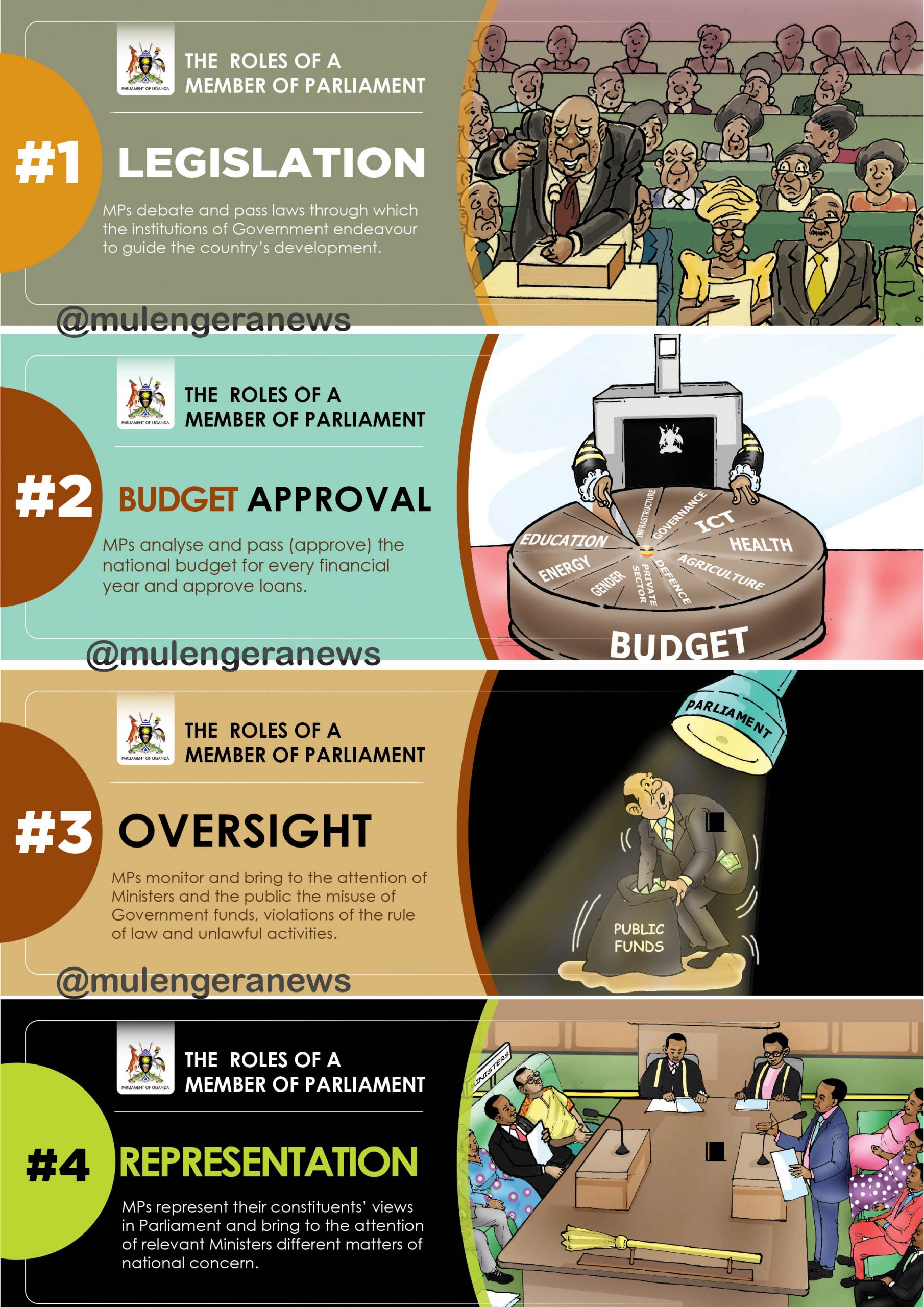
The event to commemorate the 23rd World Day Against the Death Penalty and launch a new Information Pack on Alternatives to Capital Punishment at Penal Reform International (PRI) Africa’s offices in Muyenga brought together key stakeholders advocating for a shift from retributive to rehabilitative justice.
Doreen N. Kyazze, Director for Sub-Saharan Africa at PRI, highlighted statistics showing a global decline in death sentences and the retention of moratoriums in Uganda. “We currently have 93 prisoners on death row, down from 104 last year. Uganda has not carried out any executions since 2003,” she said, commending government efforts while emphasizing the need to abolish the death penalty altogether.
Kyazze warned of ongoing risks: poor legal representation, inadequate forensic investigations, and the disproportionate impact of the death penalty on vulnerable groups such as the poor, women, and mentally ill individuals. She called on Uganda to align with the growing abolitionist trend across Africa, citing recent abolition moves in Zimbabwe, Ghana, Zambia, and Equatorial Guinea.
Alternatives to Death Penalty: Practical Steps Forward
Deborah Kugonza, Program Coordinator at PRI, introduced the newly launched Information Pack, outlining humane alternatives to capital punishment and practical steps for states to reform sentencing.
The pack underscores the importance of judicial discretion, proportionality, and rehabilitation, highlighting life imprisonment with the possibility of parole as a key alternative.
She emphasized that reforms must respect human dignity, avoid irreversible punishments, and ensure fair and transparent judicial processes. “Replacing the death penalty should not mean substituting it with an excessive and irreversible punishment,” Kugonza said.
The Information Pack offers 13 actionable recommendations, including abolishing the death penalty, establishing dedicated reform task forces, ensuring prompt review of death sentences, protecting vulnerable groups, and strengthening victim support. (For comments on this story, get back to us on 0705579994 [WhatsApp line], 0779411734 & 041 4674611 or email us at mulengeranews@gmail.com).