






By Aggrey Baba
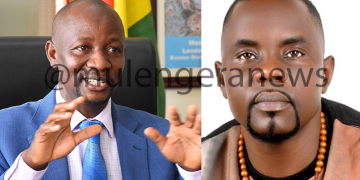
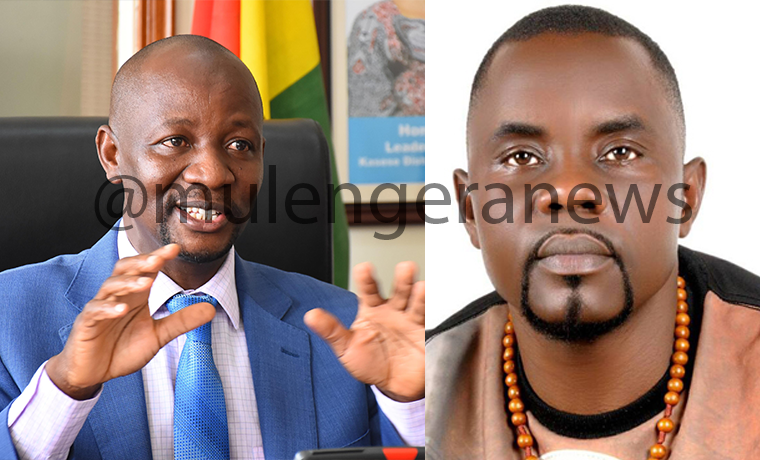
On a recent radio show at Kabaka’s CBS FM, Kira Municipality MP Ibrahim Ssemujju Nganda criticized the National Unity Platform’s (NUP) candidate selection process, accusing the Kavule-based party of prioritizing popularity over competence. He expressed disappointment that several experienced politicians, including sitting MPs, had been sidelined in favor of individuals he claimed were better suited for singing at rallies than serving in Parliament, a downplyaying criticism particularly aimed at Mathias Walukagga, the incumbent mayor of Kyengera Town Council, who was given the NUP ticket for Busiro East, beating lawyer and senior legislator Medard Ssegona.
Like a popularity contest, where the ability to excite crowds at rallies seemed to weigh more heavily than legislative capability, Walukagga, a well-known Kadongo Kamu singer, was chosen over Ssegona, a seasoned MP and legal expert who has represented his constituency since 2011.
According to Ssemujju, while Walukagga may be good at energizing a crowd with his educative kadongo-kamu songs, his qualifications for MP were questionable compared to those of experienced Ssegona, who has deep knowledge of parliamentary matters.
The PPF secretary general also pointed out the exclusion of other established and substantial MPs arguing that these figures, who had proven themselves in previous terms, were more than capable of contributing to the country’s legislative processes, yet were replaced by candidates without significant political experience. For Ssemujju, this only exposed a lack of priority for competence within the red party, which he fears could jeopardize its future.

His comments come at a time when NUP is facing internal turmoil following the announcement of its candidate list, with some long-standing party members now considering running as independents. Ssemujju has for long been a vocal critic of NUP leader Robert Kyagulanyi, claiming that the party’s leadership has often failed to prioritize governance over entertainment. He has repeatedly accused Kyagulanyi of lacking the necessary political experience to lead the opposition effectively, and this latest issue over candidate selection only adds to the growing discontent.

Ssemujju’s dissatisfaction with the vetting process is not just about personal grievances but also about the larger picture of opposition politics in Uganda.
Again, NBSs TV’s frontline program, yesterday night, Ssemujju warned that the opposition must not be content with simply fielding candidates who are popular or good at rallying crowds. Instead, the focus should be on finding individuals with the experience, expertise, and legislative capacity to challenge the NRM government effectively in Parliament. Without this, he fears that the opposition risks undermining its credibility and failing to deliver meaningful change for the Ugandan people.
While NUP leadership has defended the decision, stating that the party’s choices reflect strong grassroots support, the internal criticism suggests a deeper divide within the opposition. The approach to candidate selection may have popular appeal, but as Ssemujju highlighted, it could also come at the cost of the quality of representation Ugandans deserve.

Just months to the 2026 elections, it remains to be seen whether NUP’s choice of candidates will be enough to take on the NRM, or will it be the reason the opposition fails to deliver real change.