






By BM
Rebecca Atwiine, Special Presidential Assistant for Anti-Corruption at the State House, has revealed the harsh realities behind why Uganda’s youth are the main targets of electoral corruption, urging university student leaders to rise above manipulation and champion ethical leadership.
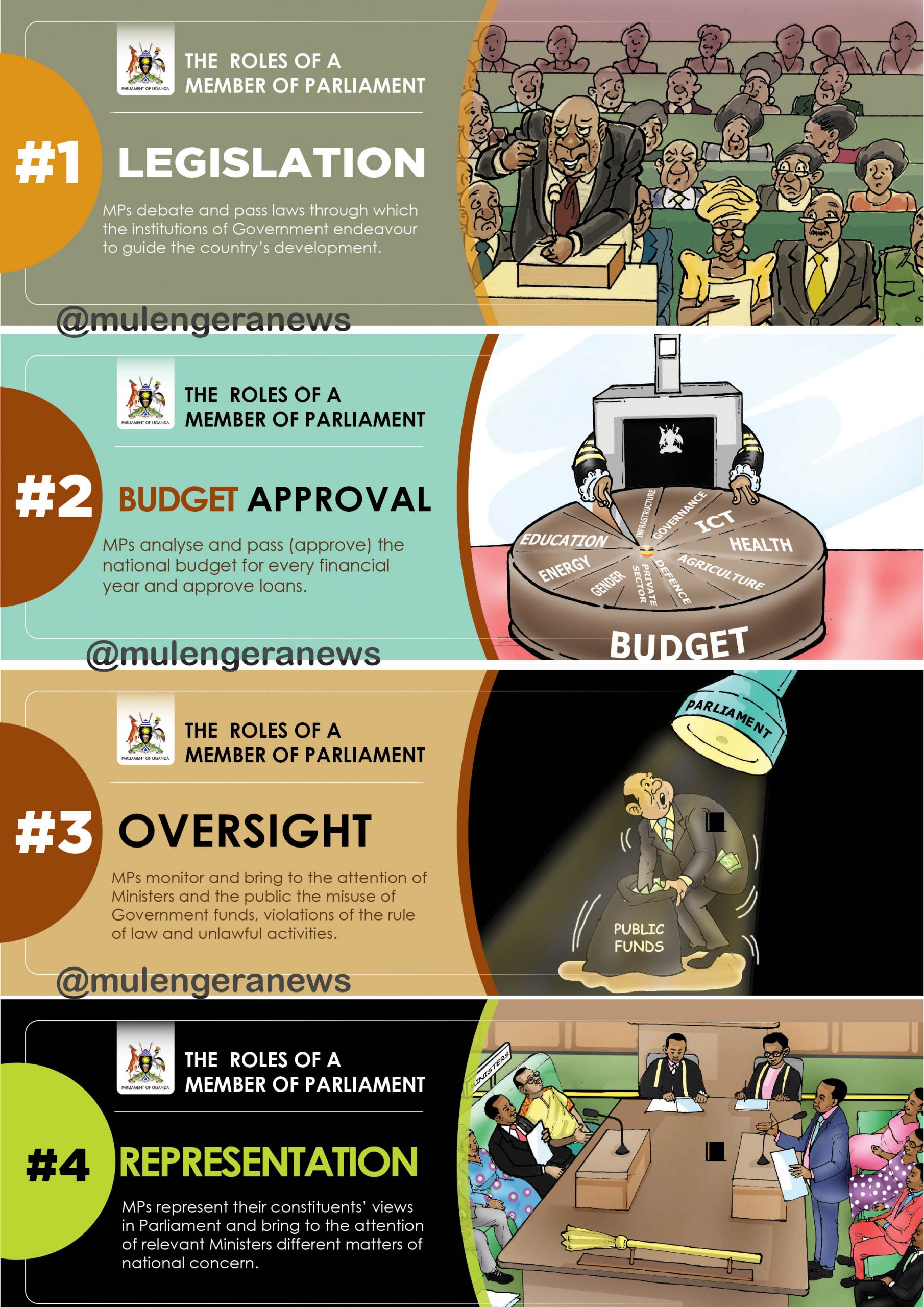
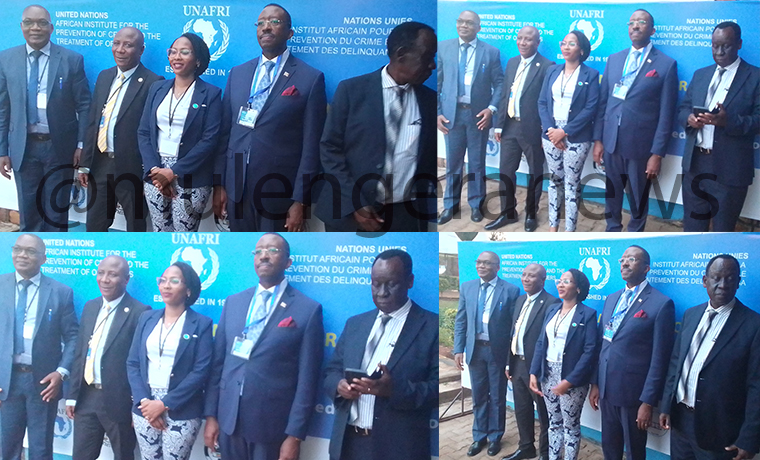
Speaking during her keynote address at the inaugural Youth Peace Ambassadors’ Workshop held at the United Nations African Institute for the Prevention of Crime and the Treatment of Offenders (UNAFRI) in Naguru, Atwiine addressed an audience of student leaders and young activists from across the country.
The workshop, held under the theme “Empowering Youth for Peaceful and Credible Elections,” brought together young leaders committed to promoting peace during the electoral process.

Atwiine who is a former Law Development Centre (LDC) lecturer, highlighted the legal and moral dimensions of electoral corruption, reminding the youth that neglect of duty is a punishable offense under the Anti-Corruption Act.

She explained that electoral corruption manifested through voter bribery, ballot stuffing, intimidation, forgery, and manipulation of electoral processes—strips citizens of their democratic rights and threatens the nation’s stability.
“Electoral corruption is corruption within the electoral process,” Atwiine explained. “It undermines fairness, transparency, and ultimately the will of the people. Both the giver and receiver of bribes are culpable no one is innocent.”
The session shed light on the vulnerabilities of young people in Uganda’s electoral system. Multiple student leaders shared their insights:

Caroline Vanessa Kyomuhendo, Minister for Patriotism and Movement at Makerere University Business School (MUBS), emphasized rampant youth unemployment and idleness as critical factors.
“Many youths are jobless and vulnerable. When offered money for their vote, they find it hard to say no,” she said.
Echoing this, David Ibanda of the Ministry of Kampala pointed out how politicians exploit youth energy and naivety to fulfill their political agendas.
“Youth are energetic and impressionable qualities exploited for selfish political gains,” he said.
Christine Ninsiima, aspiring Division Councilor for Kampala Central, added that economic desperation drives many young people into the corruption trap. “Without jobs or money, even small bribes become tempting, leading some into unethical choices,” she stated.
Atwiine urged student leaders to look beyond these hardships and encourage peers to engage in peace building, ethical clubs, and entrepreneurship to combat idleness and reduce vulnerability to manipulation.
“You possess great power and energy,” she said. “Harness it for productive activities like civic participation and advocacy for transparency.”
The Special Presidential Assistant also emphasized the urgent need for a mindset shift. “Laws alone won’t end corruption. We must reject instant gratification through bribes and commit to long-term integrity for Uganda’s future.”
She outlined the devastating consequences of electoral corruption, including loss of life, political instability, poor service delivery, and erosion of public trust in key institutions like the Electoral Commission and judiciary.
Atwiine called on student leaders to provide patriotic guidance and promote values of honesty and fairness among their peers to build a generation that rejects corruption.
Highlighting government initiatives like the Youth Livelihood Programme, Parish Development Model (PDM), and Emyooga, she urged youth to seize these opportunities rather than succumb to corrupt inducements.
Concluding her address, Atwiine made a powerful call to action: “It is me and you against corruption. Each citizen has a constitutional duty to fight corruption. This fight starts with you.”
The event served as a wake-up call that Uganda’s youth wield enormous influence in shaping the country’s democratic future.
By rejecting corruption and embracing ethical leadership, they can ensure peace, strengthen institutions, and drive sustainable development.
“Ethical leadership is not optional, it’s essential,” Atwiine declared. “It leads to better governance, accountability, and a thriving society where entrepreneurship and development flourish.”
She urged vigilance against electoral malpractice and active participation in civic education to nurture a new generation of honest and visionary leaders.
“The nation is a reflection of its people,” she concluded. “If we are ethically compromised, so are our institutions. But if we commit to honesty, integrity, and fairness, we can build a better Uganda together.” (For comments on this story, get back to us on 0705579994 [WhatsApp line], 0779411734 & 041 4674611 or email us at mulengeranews@gmail.com).