


 By BM
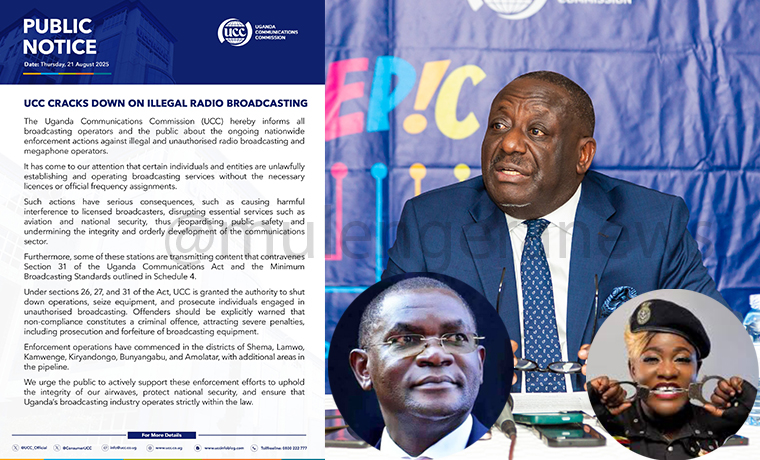
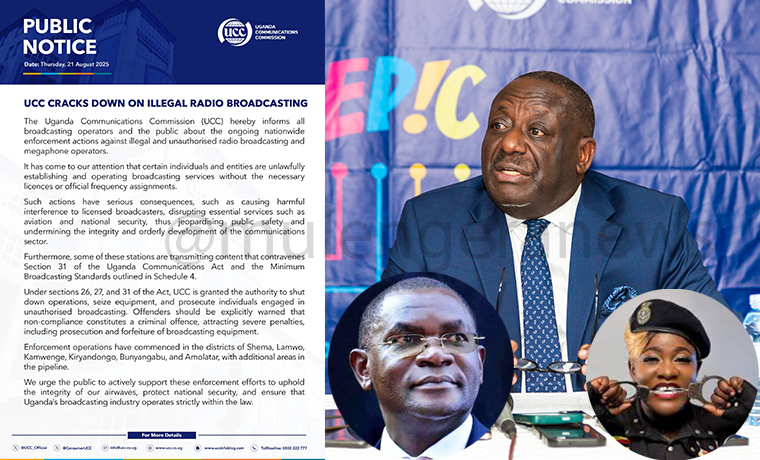
By BMUganda’s media and digital content landscape is bracing for a seismic shift as the Uganda Communications Commission (UCC) signals a hardline crackdown on what it calls “irresponsible broadcasting and online misconduct.”
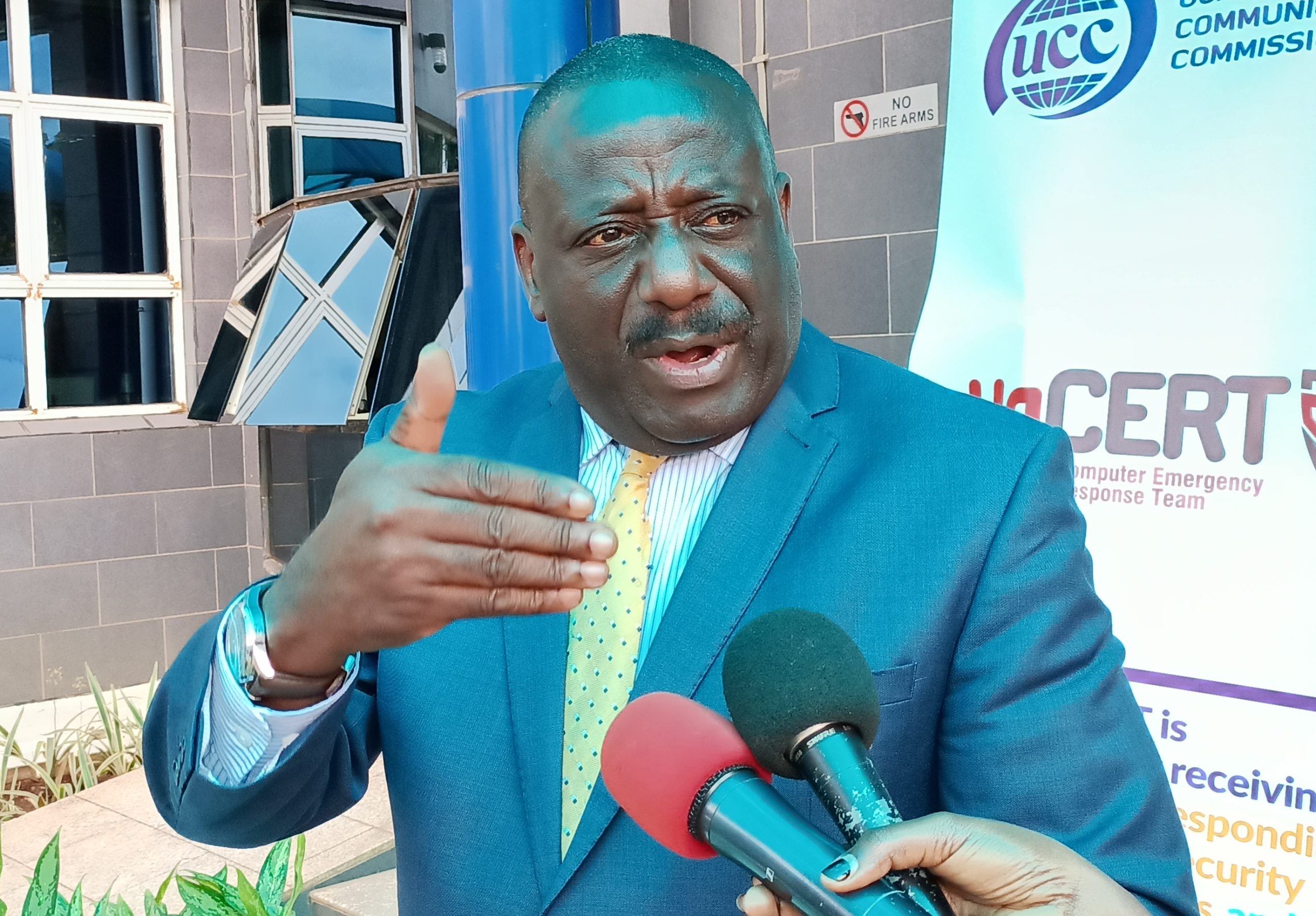
In a bombshell revelation that has sent shockwaves across the media industry, UCC Executive Director Hon. Nyombi Tembo confirmed ongoing discussions with global tech giants including Meta (Facebook), X (formerly Twitter), YouTube, Google, and TikTok to enforce stricter controls on Ugandan content creators operating online.
In an audio clip that has since gone viral, Tembo unapologetically declares war on digital “abusers and dehumanizers,” accusing some content creators of using their platforms to peddle insults, vulgarity, and paid smear campaigns. “We shall not sleep until we deal with all those using broadcasting channels to violate other people’s rights,” Tembo vows.
This stunning development comes just days after UCC pulled the plug on one of the country’s most talked-about television programmes Omusunsuzi (The Analyst) hosted by fiery personality Jennifer Nakangubi, alias Full Figure, and veteran broadcaster Charles James Ssenkubuge on Salt Television, a station owned by city preacher Pastor Aloysius Bugingo.
According to UCC, the show was in breach of minimum broadcasting standards, although critics argue the real motive is political censorship disguised as regulation.
Ironically, Omusunsuzi had grown into one of the most popular and talked-about shows on Ugandan TV, known for its unfiltered take on national issues and often its dramatic on-air confrontations.
Tembo, however, insists the move is part of a larger campaign to “streamline the broadcasting standards” in the country and weed out unethical content creators, whether on social media, electronic, or print platforms.
He says Uganda is far behind other countries where “such rogue broadcasters” would never be allowed to flourish.
“There are some people being paid to abuse others online,” Tembo said. “We are actively brainstorming how to wave out such people completely from the media space.”
The announcement has sparked fiery reactions online, with free speech advocates accusing the UCC of overreach and warning that the line between regulation and repression is dangerously thin.
Others, however, have welcomed the move, saying the digital space has become a toxic battleground for personal vendettas and character assassination.
As the UCC forges ahead with international tech collaborations, questions now loom over how far this sweeping digital dragnet will go — and who might be next on the chopping block.
Is Uganda’s media finally getting cleaned up or is this the dawn of a digital dictatorship? One thing is clear: the content crackdown is no longer coming. It’s already begun.





