







 By Aggrey Baba
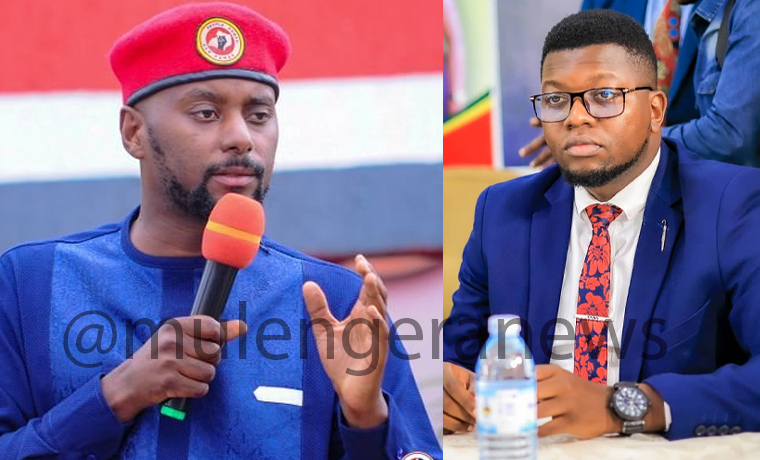
In Makindye East, the political stage, long known for its drama and shifting tides, has claimed another casualty, Derrick Nyeko, the youthful MP who unexpectedly announced recently that he would not return to the ballot in 2026.
His decision, insiders say, was not born out of voter fatigue alone but rather a bruising encounter with the top leadership of his own party.
As the New Vision reports, it all began quietly at the National Unity Platform (NUP) headquarters in Kavule, when the party was preparing to release its list of councillorship candidates, the grassroots soldiers who form the backbone of any parliamentary campaign. For Nyeko, this list was more than paperwork but his lifeline.
In constituencies like Makindye East, MPs often lean on loyal councillors to drum up support, mobilise crowds, and defend their record on the ground.
When the final list landed on Nyeko’s desk, however, not a single one of his allies had been awarded the party ticket, which to him was a devastating blow. Without his local foot soldiers in the trenches, Nyeko was like a general stripped of his captains on the eve of a battle.
Shock turned into anger, and he marched straight to party president Robert Kyagulanyi (Bobi Wine) for answers. The singer-turned politician directed Nyeko to the Secretary General, David Lewis Rubongoya, who delivered the harshest truth of all, that Nyeko’s camp was weak, and even he himself might not withstand the ruling NRM’s challenge in 2026.

Those words fell like a hammer on a glass. For a sitting MP, being branded weak within his own party walls was not just humiliating but politically fatal. Actually to Nyeko, it amounted to uselessness. Nyeko had been fighting an uphill battle in the constituency (from clashes with angry traders to being booed at burials) and the denial of councillor tickets now stripped him of the few shields he had left. It was the last nail in the coffin.

Within minutes, Nyeko walked out of Kavule, bitter and disillusioned. By the time he reached his car, his decision was made. Thirty (30) minutes later, he stunned supporters with a social media post announcing he would not seek re-election. His farewell message was polite, thanking voters for their trust, but the timing revealed a man who felt cornered and betrayed.
Analysts say councillor tickets often make or break a parliamentary candidate. Councillors are the ears and eyes of an MP in the community, the ones who carry his message to boda-boda stages, church meetings, and market stalls. To deny Nyeko that network was to leave him fighting barehanded in a constituency where politics is as unforgiving as a storm. It was like asking a fisherman to go fishing without a net.
The NRM has since welcomed his exit with quiet satisfaction. Its candidate, Judith Abaho, believes the ground had already shifted away from Nyeko, giving her a clearer path. Yet the yellow camp is not without its own troubles, as another contender, Elijah Owebusingye, has vowed to run independently after rejecting the results of the NRM primaries.

Meanwhile, NUP is scrambling to hold onto the constituency. The Kavule-based party is said to have lined up Makindye Division mayor Ali Mulyanyama as Nyeko’s replacement. But parachuting a new face into such a volatile constituency is risky, and discontent is already simmering among other hopefuls like musician Tuff B.
Makindye East has never been an easy hunting ground. Few MPs have managed to survive beyond a single term, and those who tried often fell victim to the same cycle of betrayal, voter anger, and party intrigue.
In Nyeko’s case, the fall was swift and merciless, reminding observers of the old proverb that when the axe forgets, the tree remembers. For now, Nyeko’s chapter in Makindye East politics has closed. But his departure leaves a battlefield where NRM division, NUP infighting, and restless voters will decide who next represents them in Anita Among’s house come 2026.