






By Ben Musanje
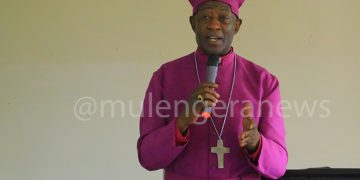
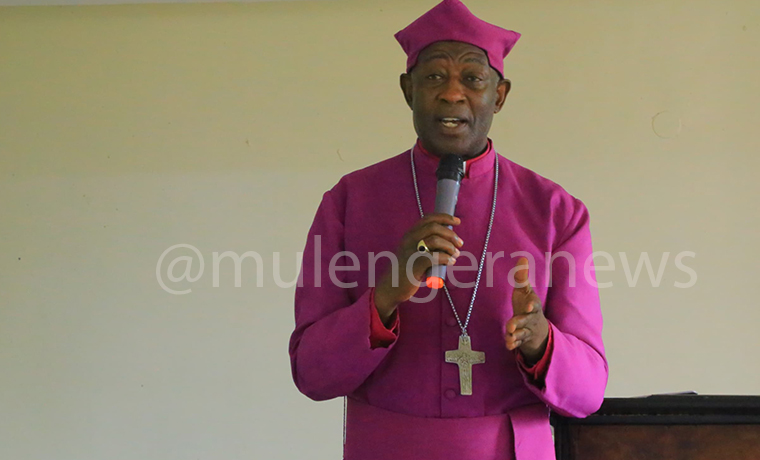
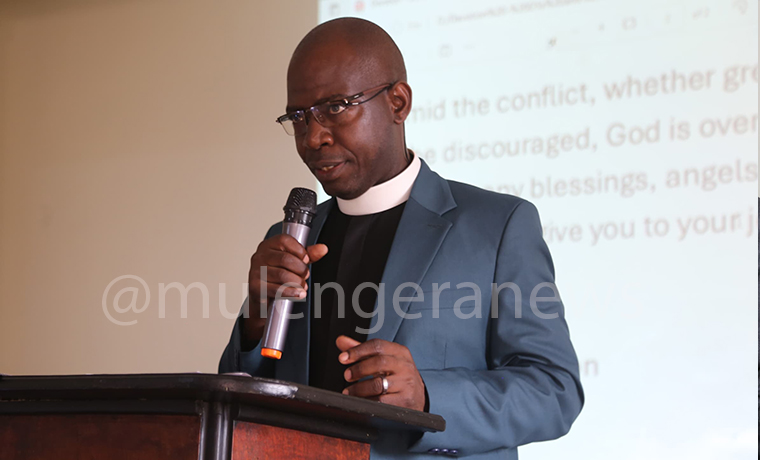
The Archbishop of the Church of Uganda, the Most Rev. Dr. Stephen Samuel Kaziimba Mugalu, has called for servant leadership, integrity, emotional intelligence, and unity as essential pillars of effective Church governance.
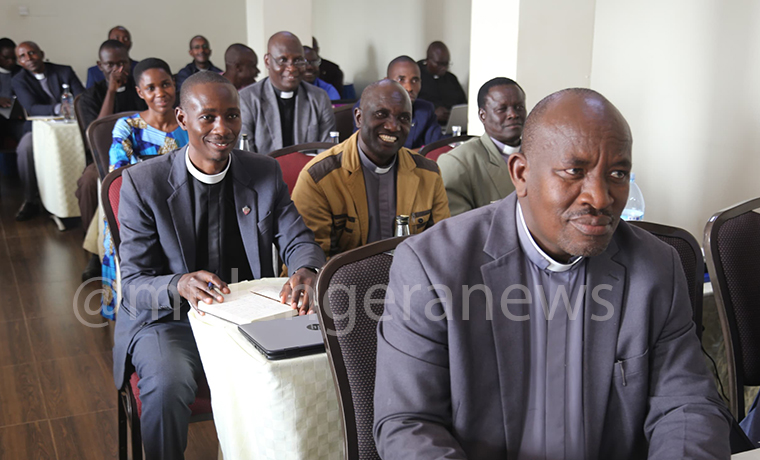
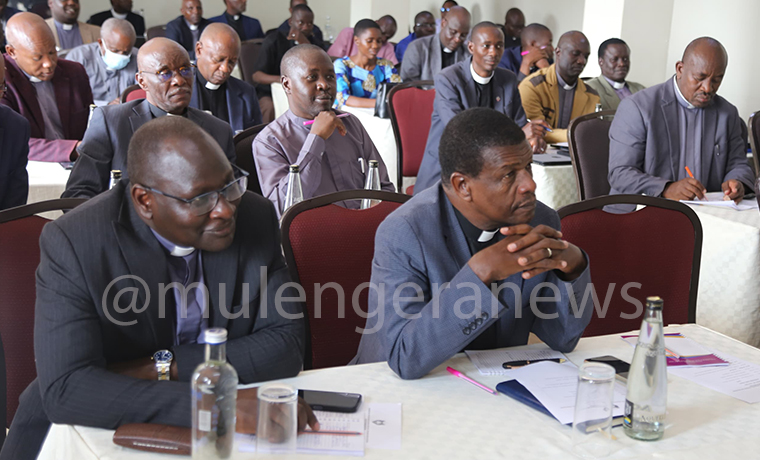
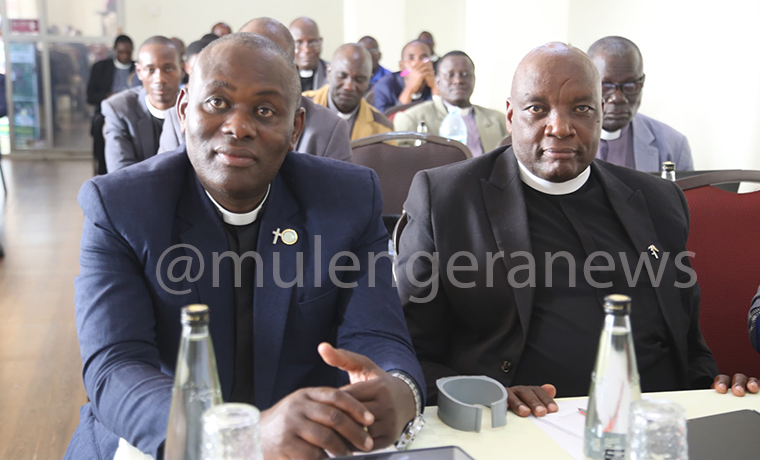
The Archbishop made these remarks while officially opening a one-day governance training at Namirembe Guest House.
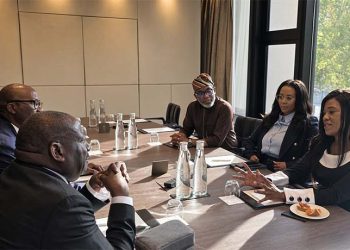
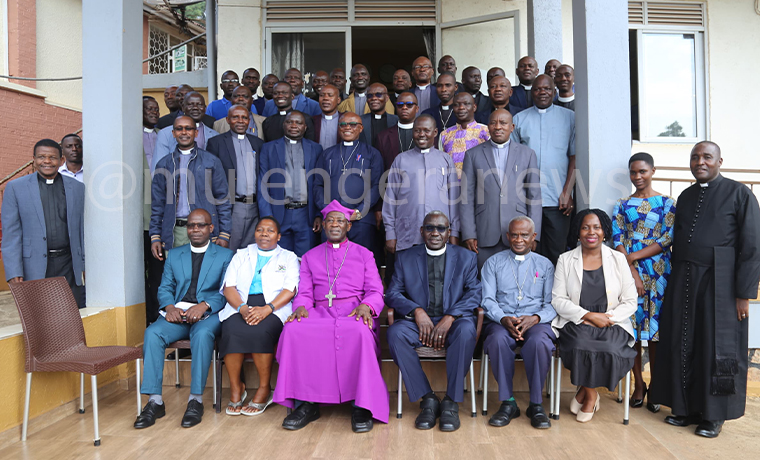
The event brought together Diocesan Secretaries and Human Resource Officers from all 39 Dioceses of the Church of Uganda, along with staff from the Provincial Secretariat.
The training was designed to enhance leadership capacity, improve human resource management, and align diocesan operations with the Church’s newly launched Vision 2030 Strategic Plan.
In his keynote address, Archbishop Kaziimba urged leaders to act as stewards of unity and integrity, emphasizing that informed leadership begins with a deep understanding of Church documents, policies, and Canons.
“We are one Church, one body,” he said. “We must avoid the temptation of dioceses acting in isolation. Our strength lies in working together with a shared vision and purpose.”
He also highlighted the critical role of emotional intelligence in managing conflicts and crises within the Church and called for deliberate retirement planning to guard against unethical practices that can tarnish the Church’s witness.
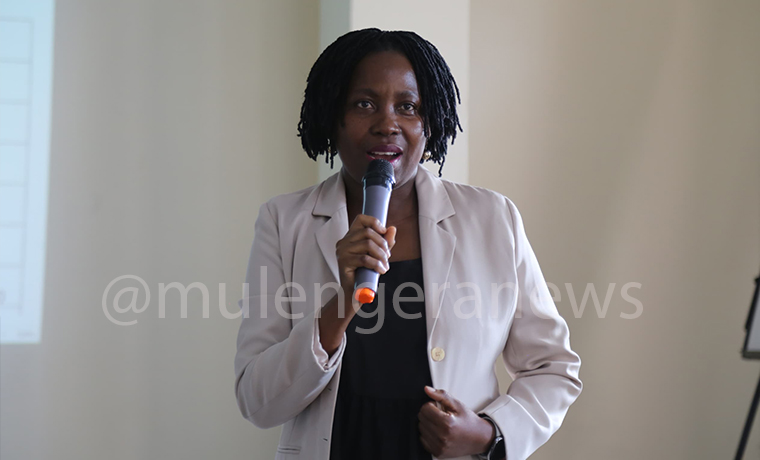
Ms. Jane Kigundu, Human Resource Manager of the Church of Uganda, described the training as a vital initiative to build capacity and streamline administrative systems across the Province.
“This gathering comes at a crucial time,” she said. “Vision 2030 provides us with a clear framework to reform human resource structures and elevate the quality of leadership across all dioceses.”
She noted that the Church is one of Uganda’s largest employers and underscored the need for intentional investment in staff welfare, development programs, and standardized HR practices.
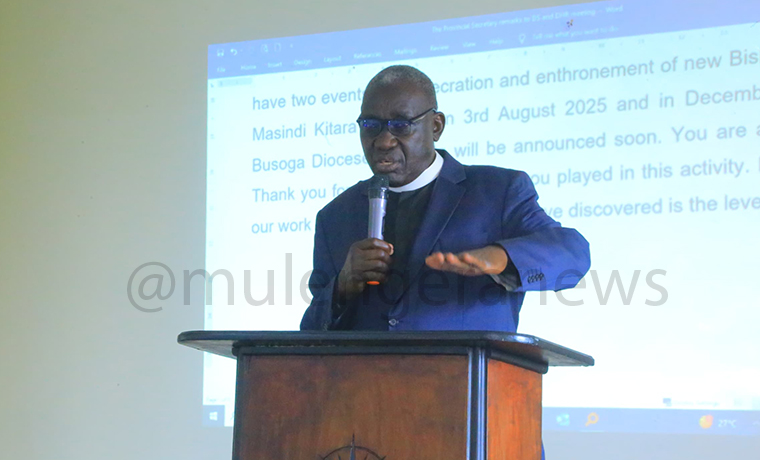
Rev. Canon William Ongeng, the Provincial Secretary, provided an overview of the Strategic Planning Framework, first launched on 31st March 2025 in Masaka and later shared virtually.
He urged all dioceses to align their local plans with Vision 2030 and maintain timely communication with the Provincial Secretariat.
Canon Ongeng also expressed concern about the rising number of petitions during Bishop nomination processes, calling it a disruptive trend that undermines unity and mission.
“We must approach these processes with prayer, transparency, and strict adherence to our Constitution and Canons,” he warned.
He reminded diocesan leaders to begin preparing for the 28th Provincial Assembly, scheduled for August 2026. Each Diocese is expected to submit names of five representatives—a Bishop, one Clergy, one Laity, a Woman, and a Youth—to the Provincial Secretariat by 31st May 2026.
He also encouraged dioceses to nominate qualified professionals for service on various Church boards.
The morning devotion was led by Rev. Canon Dr. Paul Kakooza, Director of Education Services, who drew inspiration from 1 Thessalonians:2:1, Acts:16:19, and John:15:20.
He encouraged attendees to see themselves as “shock absorbers” in the life of the Church—managing pressure from above and expectations from below.
“Challenges will come,” he said, “but the God who called you will sustain you.”
The day’s training reaffirmed the Church of Uganda’s commitment to unity, accountability, and leadership excellence.
As dioceses implement the Vision 2030 Strategic Plan, the emphasis remains on coordinated efforts, transparent processes, and Christ-centered governance that uphold the mission of the Church. (For comments on this story, get back to us on 0705579994 [WhatsApp line], 0779411734 & 041 4674611 or email us at mulengeranews@gmail.com).