






By Aggrey Baba
In preparation for the 2026 general elections, the Electoral Commission (EC) has taken a proactive and strategic step by adjusting the nomination dates for presidential candidates, intended to enhance fairness, logistical readiness, and equal campaign opportunity for all aspirants.
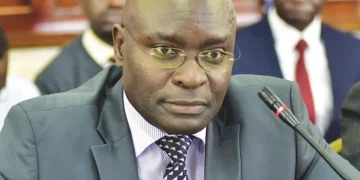
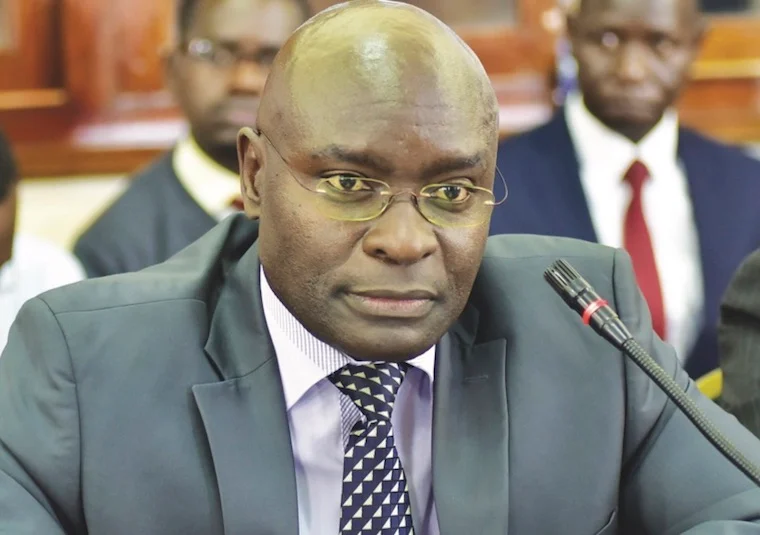
EC Chairperson Justice Simon Byabakama announced the changes during a press briefing on Friday, at the Commission’s headquarters, revealing that presidential nominations will now take place on September 23-24, 2025, instead of the earlier scheduled October 2 and 3, 2025.
The decision, he explained, is based on the Commission’s assessment of the critical post-nomination activities that must be completed before campaigns begin. These include processing and verifying nomination returns, preparing sample ballot papers, coordinating the campaign programmes of all candidates, and signing formal memoranda of understanding to ensure orderly engagement throughout the campaign season.
“We believe this adjustment creates the necessary space for candidates to be properly facilitated to start their campaigns on time and on an equal footing,” Byabakama said.
Presidential campaigns will now officially begin on October 4, 2025 and run up to January 12, 2026.
Byabakama assured the public that the EC’s intention is not merely to meet legal obligations, but to provide an organised and transparent process that gives all contestants, whether party-sponsored or independent, the clarity and time needed to engage with the voters meaningfully.
The change is part of a broader electoral roadmap designed to improve the administration of the 2026 elections across all levels of governance. Nominations for local government candidates and special interest groups will now take place between September 3 and 12, 2025, while parliamentary candidates will be nominated between September 16 and 17, 2025, while special interest group representatives to local governments will be nominated between December 8 and 12.
“These changes are carefully thought out to ensure that each phase of the electoral process receives the attention and preparation it deserves,” Byabakama said.
He also used the opportunity to educate aspiring candidates on the legal requirements for nomination. Presidential aspirants, in particular, must collect signatures from at least 100 registered voters in no fewer than two-thirds of all districts (currently 97) as a demonstration of broad national support. The EC will announce specific timelines and guidelines for this requirement in due course.
Byabakama further reminded aspirants of the minimum academic qualifications required to contest for president, MP, or district chairperson, which is a Uganda Advanced Certificate of Education (Senior Six) or its equivalent. Those who studied abroad must have their qualifications verified by the National Council for Higher Education (NCHE) and the Uganda National Examinations Board (UNEB).
Importantly, the EC chair clarified that any certificate of equivalence issued for previous elections, including 2021, will not be valid for 2026. Aspirants will need to secure fresh verification for the new cycle.
Beyond procedures and deadlines, Byabakama made a strong appeal to political actors and the general public to embrace peace, mutual respect, and discipline as the electoral season approaches.