







By Aggrey Baba
The just-concluded NRM party primaries saw a surge of youthful aspirants stepping into the political ring, across Kampala and Central Uganda, many of whom outcompeted seasoned veterans, signalling a generational shift within the ruling party’s urban structures.
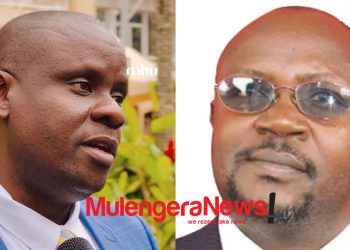
Leading the wave is Herbert Anderson Burora, the former Deputy Resident City Commissioner (RCC) for Kampala Central, who won the party flag for Nakawa West. Burora, known for his assertive media presence and vocal support for the party’s anti-corruption agenda, defeated a field of well-known figures including former EALA Speaker Margaret Zziwa, businessman Mukesh Babubhai Shukla, Herbert Ssenyonjo, and Ivan Kabeedha.
Burora will now face off with Joel Ssenyonyi, the incumbent and Leader of opposition in Parliament, in what is already shaping up to be one of Kampala’s most competitive 2026 parliamentary races.
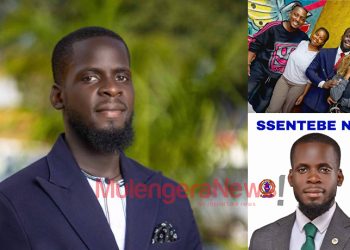
In Rubaga South, a youthful figure, lawyer Musa Mbaziira, emerged victorious after beating Derrick Lufunya.
The two had campaigned across youth-heavy parishes like Kabowa and Najjanankumbi, with both pushing modern, issue-based platforms focused on urban service delivery, job creation, and rule of law.

Mbaziira’s win was particularly notable for the civility of the contest. Lufunya conceded immediately and congratulated him, a gesture many saw as a reflection of maturity and the beginning of a more policy-driven political culture among young politicians.

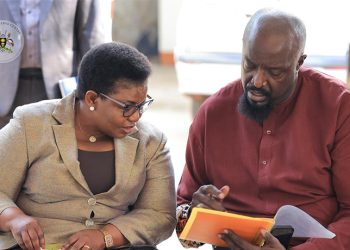
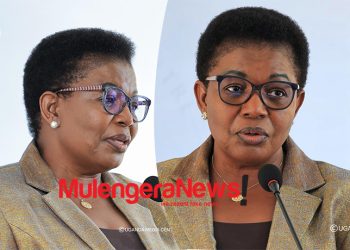
In Kawempe North, although the flag was taken by Faridah Nambi, a relatively older but politically fresh entrant, the race attracted significant interest from youth voters, particularly due to Nambi’s background in media and activism, which resonates with younger demographics. Her challenge to NUP’s Erias Nalukoola, a lawyer in his late 30s, sets the stage for a generational showdown in an area the NRM has failed to reclaim for 20 years.
In Rubaga North, Singh Parminder Marwaha Katongole, though not young by age, was able to energize youthful supporters and attract early celebratory crowds even before official results were declared.
He beat several younger candidates, including Timothy Ndiwalana, Isaac Lwanga Byangire, and Francis Kyesero Wamala, who were seen as part of the emerging NRM youth force.

However, youth participation was not without challenges.
In Nakawa East, David Ssegirinya, another youthful aspirant, failed to cast his vote after his name was reportedly missing from the Kitintale Zone 12 register, with officials later clarified that he was supposed to vote at Kitintale Zone 13, but by then, Ssegirinya had already left in protest, alleging a scheme to rig him out.
Across Kampala, youth involvement was evident not just among candidates but also in mobilization, polling station monitoring, and digital campaign strategy. Most candidates, especially those under 40, relied heavily on social media platforms like TikTok, X (formerly Twitter), and WhatsApp to mobilize support, replacing traditional rallies with neighborhood outreach and digital messaging.
Despite their active participation, some young aspirants and their supporters expressed frustration over logistical setbacks and what they perceived as preferential treatment for older, more financially established candidates.
Nevertheless, the success of candidates like Burora and Mbaziira, and the visible presence of youth campaigners at polling stations, indicates a growing desire within the NRM’s younger generation to claim a stake in the party’s future.
Political observers say the rise of youthful candidates may help NRM soften its image in urban constituencies, many of which have voted overwhelmingly for Opposition parties like NUP in recent elections.