


By Aggrey Baba
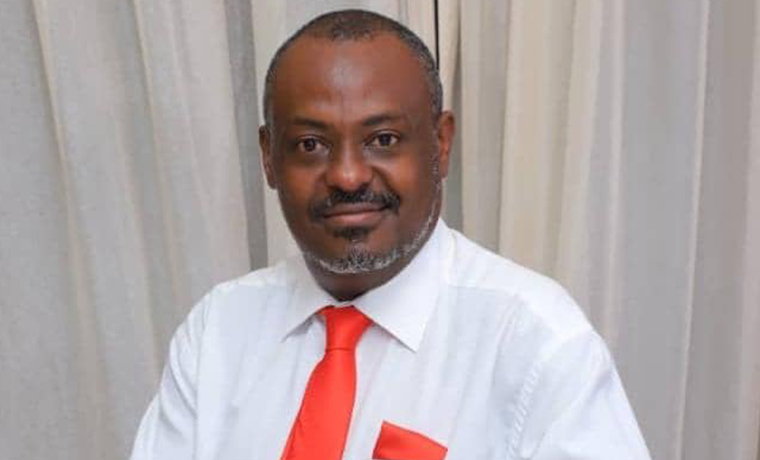
Journalist and communications analyst Simon Kaheru has raised concern over what he describes as a growing trend in Uganda’s public sector, where government promises are made, repeated, and often quietly forgotten, with little or no accountability when timelines slip or plans stall.
In a recent commentary reflecting on delayed infrastructure projects and the uncertain future of Uganda’s national health insurance scheme, Kaheru questioned the seriousness with which public commitments are treated by government officials.
He argues that the language used in official communication (often vague and non-committal) has allowed for a culture in which promises are no longer seen as binding obligations.
One of the issues he highlighted is the slow progress on Kampala’s ongoing roadworks under the Kampala City Roads Rehabilitation Project, a UGX 149 billion effort funded by the World Bank.
The project was launched earlier this year and is expected to cover 20 kilometres of road infrastructure across the city. The official timeframe given for the works is 18 months.
However, Kaheru notes that while some activity is visible, there is widespread public concern about the pace and quality of the work. Residents in several areas have reported poor drainage management, incomplete surfacing, and dangerous diversions that lack clear signage.
These concerns have persisted despite repeated public statements from KCCA urging contractors to meet deadlines and uphold safety standards.
In his commentary, Kaheru points out that words like “urged” and “cautioned” used by senior KCCA officials fall short of meaningful enforcement.
He suggests that such language reflects a deeper problem, one where even high-budget projects are allowed to drift due to weak follow-up and unclear consequences for underperformance.
He contrasts this with the literal financial debt backing the road project (a World Bank loan) arguing that while the funding is real and must be repaid, the delivery on the ground remains uncertain. “A promise is not being treated as a debt,” he writes, warning that such an approach erodes public trust and normalises non-performance.
Kaheru also draws attention to the stalled progress of Uganda’s National Health Insurance Scheme. The scheme was first passed by Parliament in 2021, but was later withdrawn for further consultation. Since then, it has remained under Cabinet review, with no clear indication of when or how it will be implemented.
In recent interviews, officials from the Insurance Regulatory Authority (IRA) stated that the scheme “could come after 2026,” and expressed hope that guidance from the President would soon be issued.
While this signals that discussions are still ongoing, Kaheru argues that the lack of clarity after several years of policy drafting and public expectation reflects the same pattern seen in other sectors (delays without accountability).
His concern is not just about the slow pace of reform, but about how communication around these policies is managed. “When even regulators use terms like ‘hopeful’ and ‘could come,’ it becomes clear that no one is under pressure to deliver,” he notes.
Kaheru’s broader message is about the importance of rebuilding credibility in public communication, urging that government commitments should be treated with the seriousness of formal obligations, promises that must be followed through with timelines, clear expectations, and consequences for non-performance.
As the country moves toward the 2026 general elections, he warns that Ugandans are likely to hear many new promises from both incumbents and challengers. However, without a cultural shift in how those promises are viewed and enforced, the cycle of disappointment may continue.
“The idea that ‘a promise is not a debt’ has taken root. Until we change that, both the government and citizens will keep operating in a system where words don’t mean action, and plans don’t lead to results,” he said.