







By Aggrey Baba
Recent escalations in the Middle East, including US airstrikes on Iranian nuclear sites, have drawn renewed attention to the fragile state of global peace and its ripple effects on countries like Uganda.
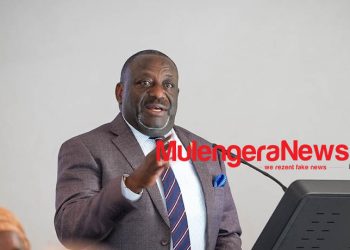
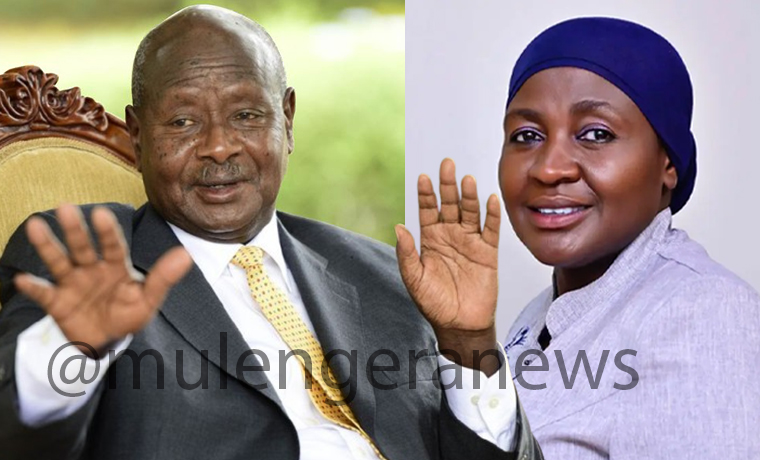
Senior presidential adviser Hajjat Hadijah Namyaro and ONC boss has highlighted these developments to emphasize the importance of stable leadership as Uganda approaches its 2026 elections.
The Geneva Academy, an international institution monitoring armed conflicts, reports over 45 ongoing conflicts in the Middle East and North Africa, many involving non-international confrontations between governments and armed groups.
Africa is also deeply affected, with more than 35 active conflicts in countries such as the Democratic Republic of Congo, South Sudan, Mali, and Ethiopia.
Though geographically distant, these conflicts influence Uganda through economic channels, particularly the global oil market. Iran, one of the countries at the center of recent tensions, exports nearly two million barrels of oil daily. Disruptions in supply can affect fuel prices and economic stability in Uganda, making peace beyond its borders an issue of national concern.

Hajjat Namyaro noted that Uganda has a history of internal conflict but has made significant progress in securing peace under the leadership of President Yoweri Museveni.

The Uganda People’s Defence Forces (UPDF), led by Museveni, successfully ended major rebel insurgencies such as the Lord’s Resistance Army (LRA) and have contributed to regional peacekeeping missions in Somalia, the Central African Republic, and the Democratic Republic of Congo (DRC).
This track record, she argues, has positioned Uganda as a relatively stable and peaceful country in a region often marred by violence.
However, she cautions that this peace is fragile and requires continued strong leadership to be maintained.

With the 2026 elections approaching, Hajjat Namyaro urges Ugandans to consider the broader context of global instability and the economic vulnerabilities linked to it.
She emphasizes the need to prioritize stability to avoid slipping into conflict or economic hardship.
In her view, the leadership that has preserved peace and contributed to regional stability remains crucial as Uganda navigates uncertain times both at home and internationally.