






By Aggrey Baba
Parliament’s Public Accounts Committee (PAC) has opened fresh investigations into how hundreds of public servants who were removed from the payroll for failing a government validation exercise were reinstated without proper clearance.
The controversy stems from a validation exercise conducted by the Ministry of Public Service last year, which sought to confirm the authenticity of civil servants drawing salaries from the government.
The audit, which covered 45,572 individuals, was aimed at cleaning up payroll records and eliminating ghost workers, including those who had retired, died, absconded from duty, or lacked proper employment documentation.
A number of employees were dropped from the payroll after failing to present themselves for verification. However, according to the Auditor General’s recent report, 1,752 of those removed were later reinstated (despite no record of having addressed the reasons for their initial removal).
This revelation has prompted MPs to question the integrity of the payroll reform process and the motives of those who facilitated the reinstatements, with PAC now treating the matter as a potential case of internal sabotage or collusion aimed at undermining government’s efforts to improve transparency and accountability in public service.

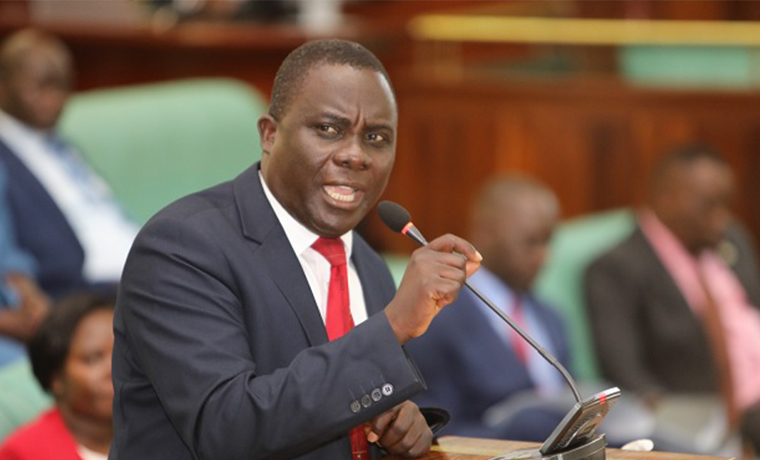
PAC chairperson Muwanga Kivumbi described the issue as a “deliberate reversal of reform,” saying the committee would press for disclosure of the individuals responsible for approving the reinstatements and hold them personally accountable. “This isn’t an error in a system. Someone allowed these names back onto the payroll knowingly,” he said.

The audit report also revealed that more than 3,000 employees failed to show up for validation entirely, but still continue to receive salaries. These, together with the reinstated staff, have cost the government at least UGX 8.5 billion in unjustified salary payments.
In addition, 2,853 employees were found to have been recruited without submitting required documents such as appointment letters, job descriptions, or academic qualifications.
While addressing the committee, officials from the Ministry of Public Service, led by Permanent Secretary Catherine Bitarakwate Musingwiire, acknowledged that the reinstatements had taken place but could not immediately account for the basis on which the individuals were returned to the payroll.

PAC suspects that certain ministries or departments have been operating parallel processes to reabsorb invalidated staff, either for political reasons or to benefit from fraudulent claims.
Lawmakers also pointed to the possibility that some names on the payroll are being used to siphon public funds by insiders within the ministry or in collusion with accounting officers across government departments.
MPs have now directed that the Criminal Investigations Directorate (CID) be involved to trace the approvals and hold those responsible to account. They are also demanding a full list of the reinstated names, the departments that processed their return, and the signatures or authorizations behind each case.
Several lawmakers warned that if such backdoor reinstatements are allowed to stand, the broader payroll reform effort will be rendered ineffective.
The Auditor General had earlier recommended the deletion of all unverifiable employees and suggested that law enforcement agencies step in to investigate how such irregularities occurred and why disciplinary measures have not yet been taken.
Moving forward, the committee plans to summon officials from affected departments to explain the circumstances under which previously deleted names were returned to the payroll. MPs say the ministry’s current response is insufficient and signals a deeper institutional failure.
The Ministry of Public Service is expected to return to PAC next week with full records and explanations for each reinstatement, as parliament steps up efforts to restore integrity in the management of the civil service wage bill.