


 By Aggrey Baba
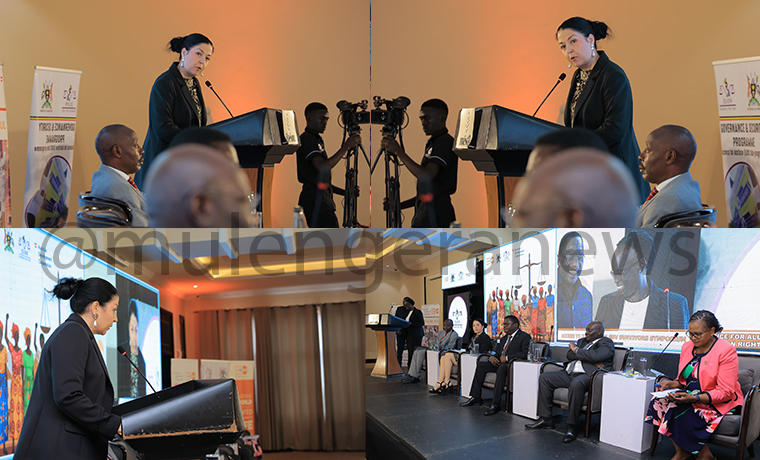
Head of the Austrian Embassy/Development Cooperation in Uganda, Dr. Katja Kerschbaumer, has said many Ugandan women are stuck in violent and toxic relationships, not because they accept abuse, but because they have no safe way to leave.
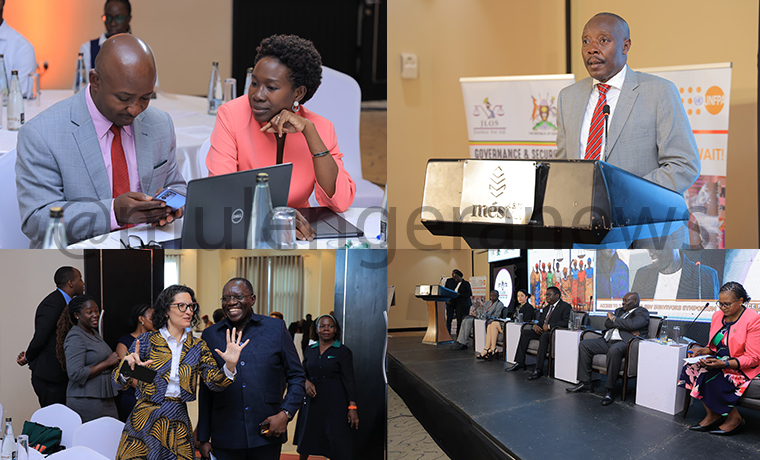
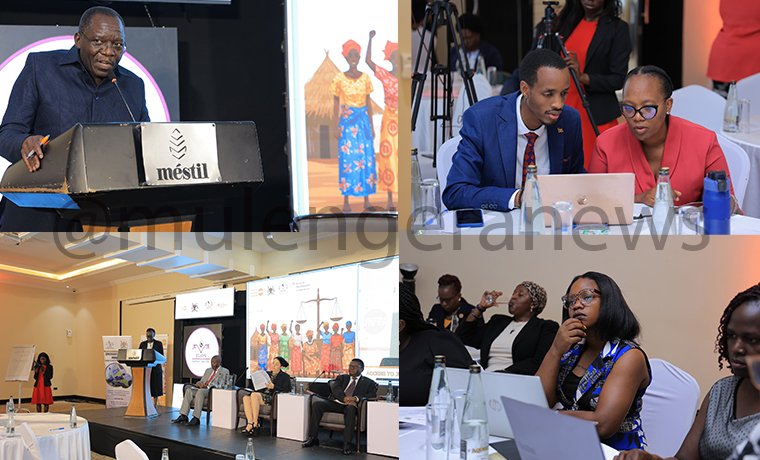
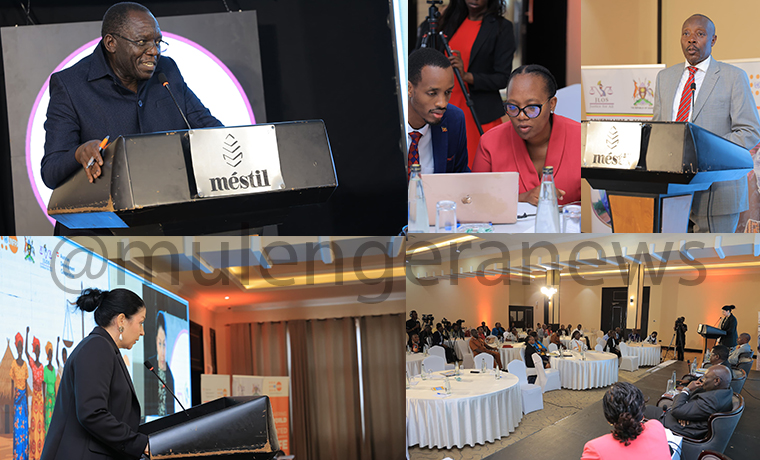
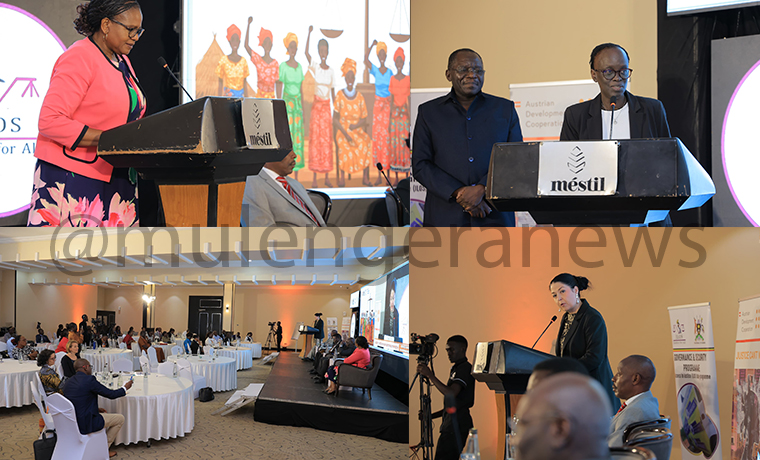
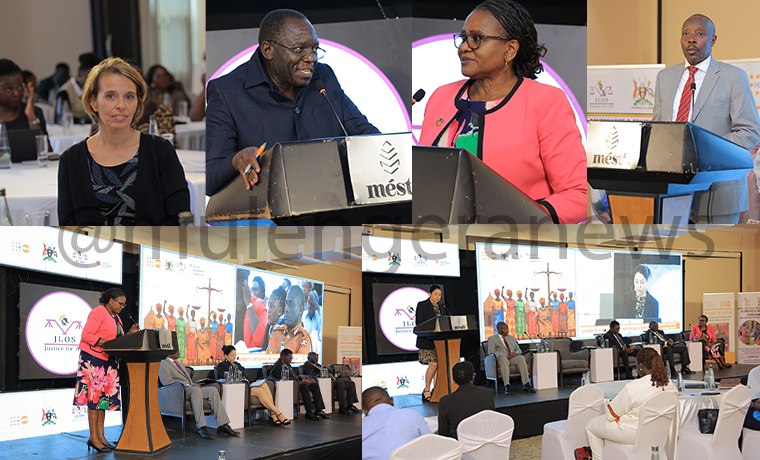
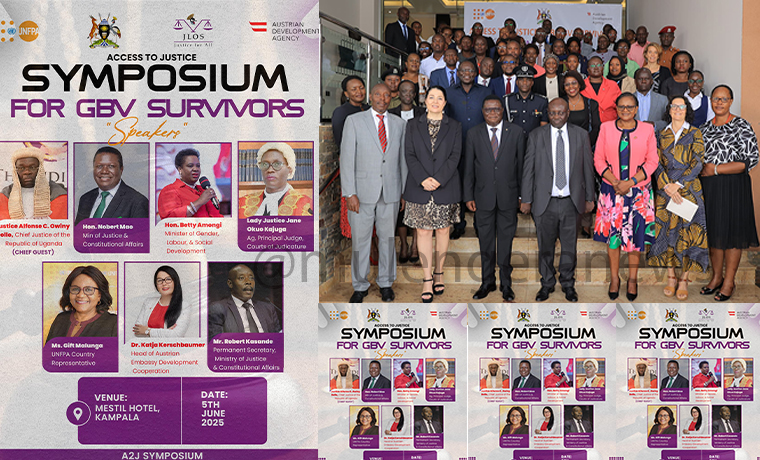
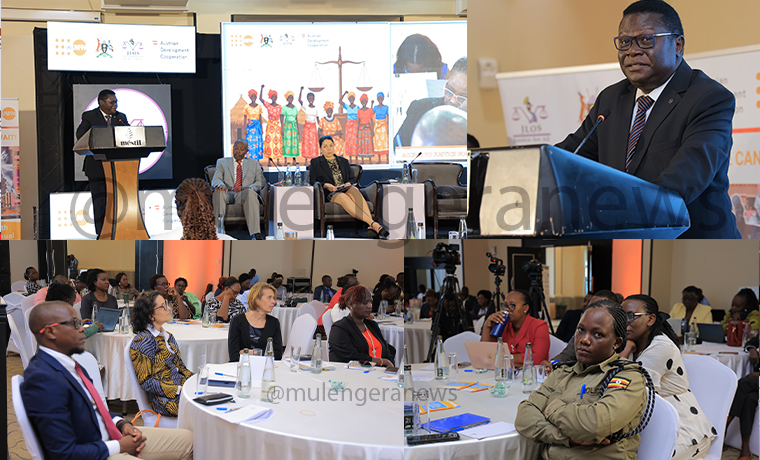
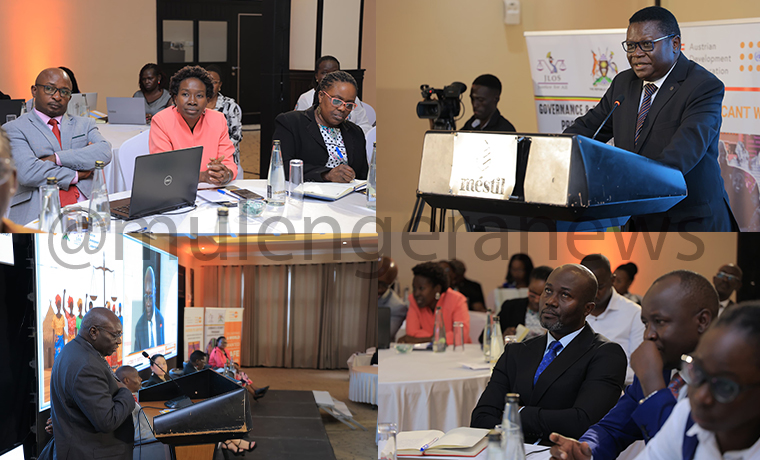
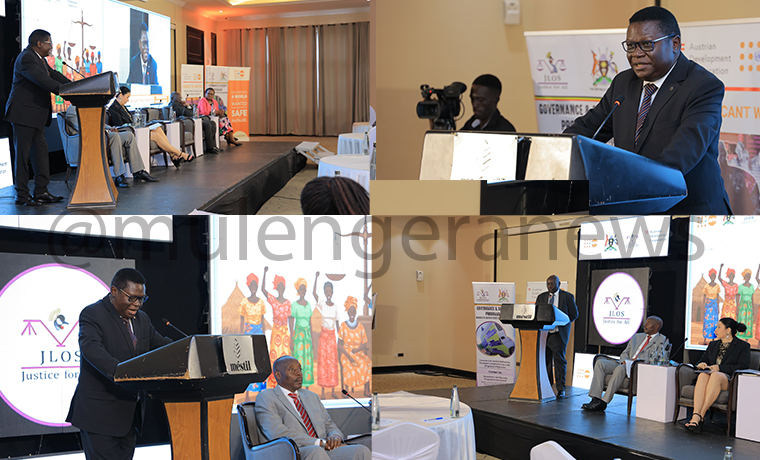
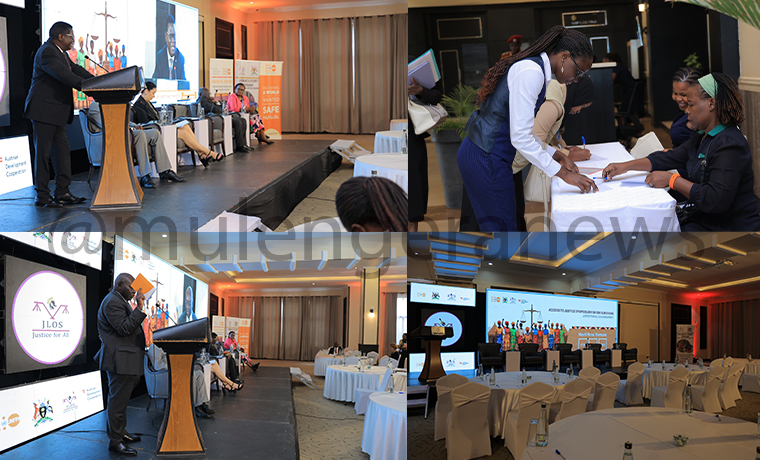
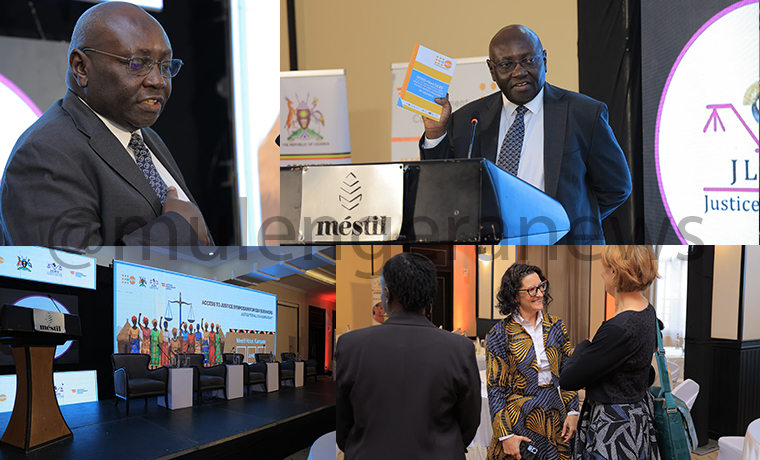
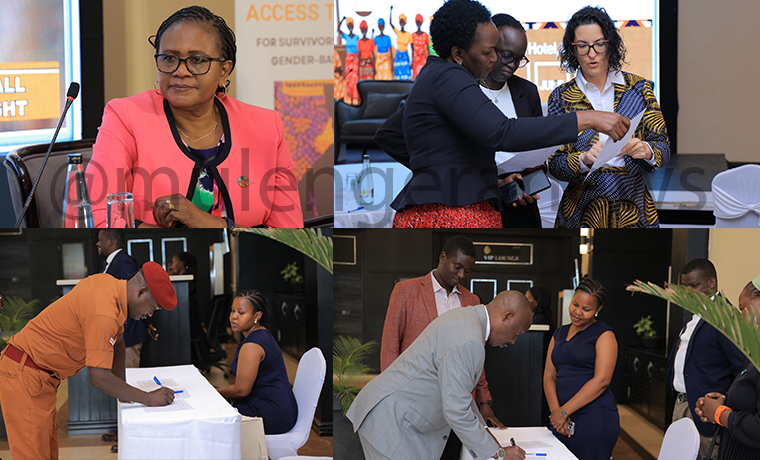
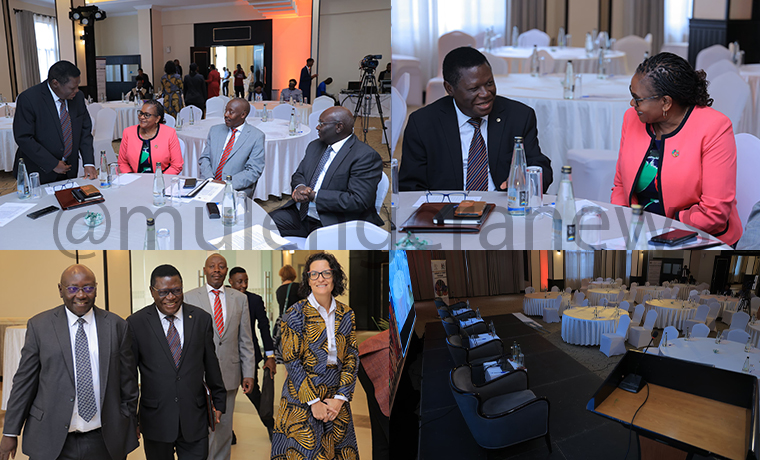
Speaking during the Access to Justice Symposium for GBV Survivors on Thursday at Mestil Hotel in Kampala, Dr. Katja said countless survivors of sex and gender-based violence remain trapped in abusive homes out of fear of losing economic support, housing, and the ability to care for their children, describing this reality as one of Uganda’s greatest blind spots in the fight for justice.
Her remarks came in front of Uganda’s top judicial and political leadership, including Justice and Constitutional Affairs Minister Norbert Mao, and representatives from UN agencies and civil society.
Katja argued that Uganda’s justice system, no matter how strong on paper, will continue to fail survivors unless it is backed by real, everyday support that allows women to escape abuse and recover their dignity.
“Let us be honest. You can’t talk about justice when the woman is sleeping hungry, has no transport to court, and is being told to reconcile with her abuser for the sake of the family. That is not justice. That is silence dressed up as peace,” she said.
She also shared the real story of Ruth, a woman from northern Uganda who stayed with her abusive partner simply because she had no money, no shelter, yet she had children to feed. Her story, Dr. Katja said, is not an isolated case but one that reflects the daily reality of many Ugandan women.
“What good is a conviction when the survivor is going back to the same house of violence? When she has no safe space to go? When she is afraid she won’t be able to feed her children tomorrow?” she asked.
Though Uganda has made significant progress in legal reforms, including increasing conviction rates for SGBV cases from 20% in 2018 to 80% in 2023, Dr. Katja warned that these achievements don’t mean much for survivors who are too poor, too isolated, or too afraid to even reach the courtroom.
She added the absence of a coordinated, survivor-friendly social protection system is the biggest gap in the country’s GBV response, pointing out that services like emergency shelters, financial assistance, trauma counseling, and child care during court sessions are either unavailable, scattered, or only accessible in urban areas.
“These are not luxuries. They are the very foundation of justice. Because if a woman cannot leave the abuse safely, she cannot report it. She cannot fight it. She cannot survive it,” Katja said.
She urged the Government of Uganda, especially the Ministry of Gender, Labour and Social Development, to establish a national social protection policy that directly supports GBV survivors across the country, also stressing the importance of legal reforms that recognize emotional, psychological, economic, and digital abuse, not just physical violence.
Dr. Katja also called for Uganda to learn from other African countries like South Africa, Kenya, and Rwanda, which have already built national systems that offer safe housing, survivor grants, and integrated one-stop centres for medical and legal support.
“We are not saying Uganda has done nothing. But the truth is, what exists is too fragmented. Too few women are actually able to reach the help they need,” she said.
With a serious tone of urgency, Katja said the country must stop focusing only on convictions and start looking at what happens before and after the courtroom.
Quoting Desmond Tutu, Katja said that if you are neutral in situations of injustice, you have chosen the side of the oppressor, adding that “We are not neutral. Austria stands with survivors. And we are calling on all of you here today to act. Not tomorrow, not in reports, but now.”
The Minister of Justice, Hon. Norbert Mao, acknowledged the urgency in his own remarks, saying Uganda must start treating social protection as part of justice, not as charity.
Dr. Katja’s message landed where it was meant to, at the heart of Uganda’s justice conversation, because as long as women are forced to choose between abuse and hunger, the promise of justice will remain out of reach. (For comments on this story, get back to us on 0705579994 [WhatsApp line], 0779411734 & 041 4674611 or email us at mulengeranews@gmail.com).