





By Ben Musanje
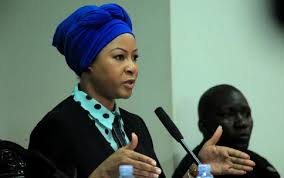
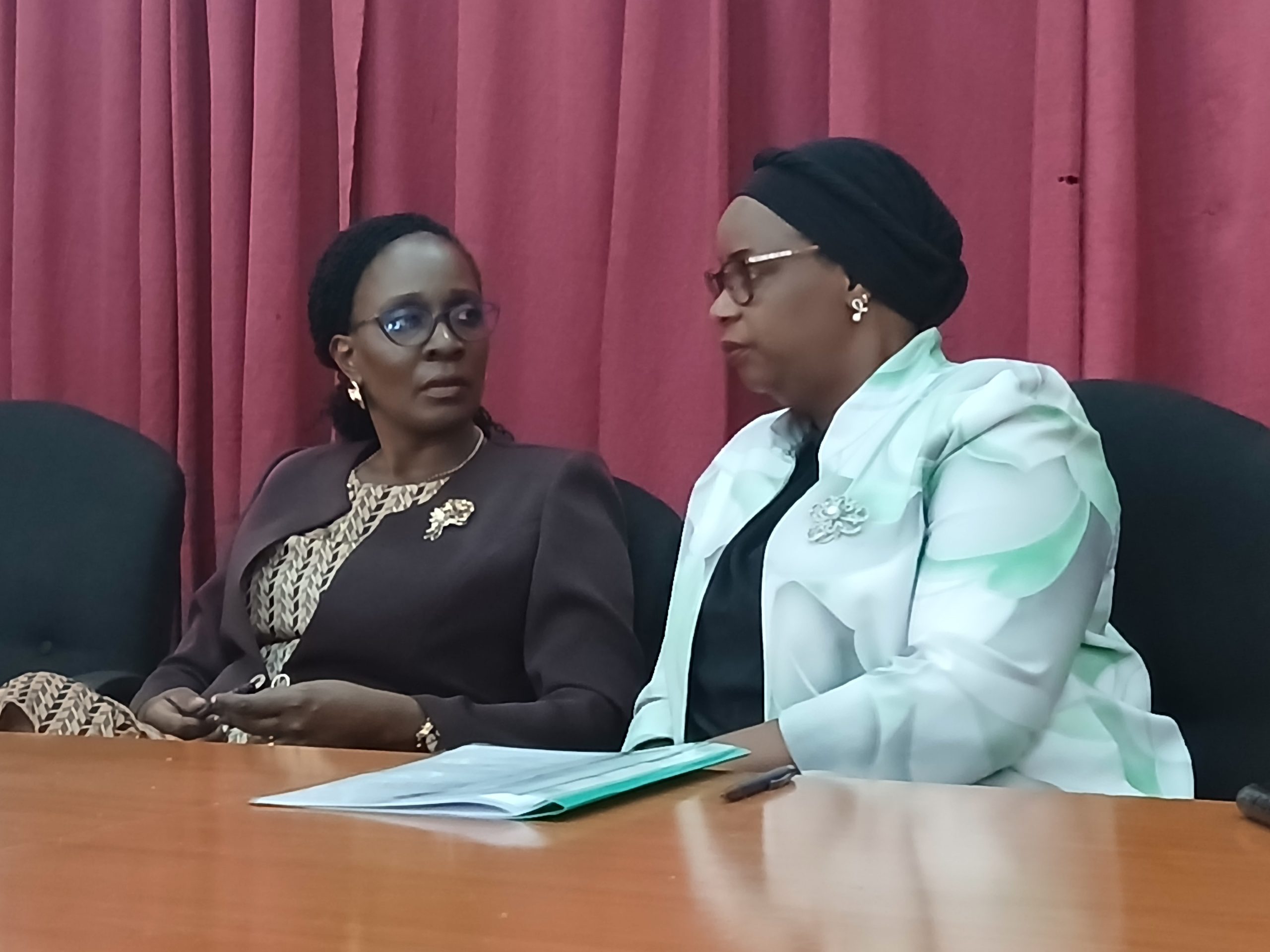
The Deputy Inspector General of Government (IGG), Anne Twinomugisha Muhairwe, has urged youths in Buganda to reject voting based on popularity, tribe, or religion, and instead make informed leadership choices guided by values, integrity, competence, and patriotism.
Twinomugisha made the call while addressing hundreds of Buganda youth leaders during the Buganda Nkobazambogo National Leadership Mentorship meeting held at Makerere University. The youths were drawn from at least 10 institutions of higher learning, including Makerere University, Kampala International University, Kampala University, Busitema University, Islamic University in Uganda (IUIU), Buganda Royal University, Kyambogo University, among others.
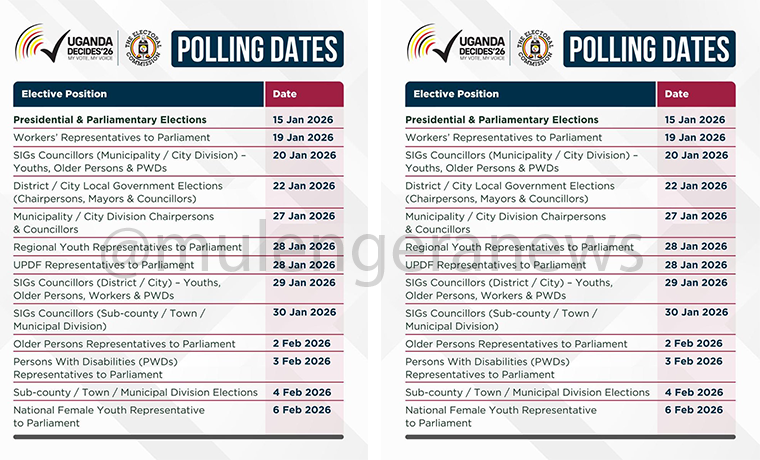
Her remarks come two days ahead of the presidential and parliamentary elections scheduled for January 15, 2026, a period marked by heightened political activity and intense youth mobilization across the country.
Addressing the young leaders for Buganda Nkobazambogo, Twinomugisha emphasized that youths stand “at the threshold of the future” for themselves and for the country, noting that even small individual choices eventually translate into major national consequences.

“You can make small choices that later turn into bigger choices—choices that impact you as a youth and also impact the country,” she said, urging them to embrace a broader national outlook that strengthens unity and binds Ugandans together.

She cautioned the youths against narrow identity-based thinking, asking them to see themselves first and foremost as citizens of Uganda rather than members of particular tribes or regions.
“See yourself first and foremost as a citizen, part of something larger than any single group,” Twinomugisha said. “I may come from the western part of the country, but leadership must go beyond where one comes from. God places all of us where we are for a purpose.”
The Deputy IGG stressed that the leaders young people elect have profound and lasting consequences, warning against choosing leaders simply because they are well known, popular, or familiar.

“Who you elect has serious consequences,” she said. “People say they know them. If I asked you to write their names, some of you would mention them. But I want to encourage you to choose leaders who empower the values you believe in, not those who exploit divisions.”
She urged the youths to hold leaders—and themselves—to the highest standards of accountability, integrity, and service, reminding them that education gives them a responsibility to influence society positively.
“You are lucky you have gone to school. Go back and tell your people. Better leadership brings better justice,” she noted.
Twinomugisha acknowledged the challenges faced by government institutions and public servants but emphasized that change begins with individual responsibility and collective action rather than blame.
“People are not going to come and do things for us in our streets. What you do creates a ripple effect,” she said, calling on youths to be responsible in how they speak about their country. “Every nation has its own journey and its own challenges.”
Sharing her personal life story, the Deputy IGG gave an emotional account of growing up as an orphan, explaining that her father was kidnapped, tortured, and killed—an experience that shaped her understanding of the cost of poor leadership, injustice and instability.
“I am not talking about things that I have read, but things that I have seen,” she said. “I grew up as an orphan. My father was kidnapped and killed. These are real experiences.”
She emphasized that meaningful participation in national affairs goes beyond celebration or slogans.
“True participation is not blind celebration. It is commitment—rolling up your sleeves, being committed to your country, and making a contribution,” she told the youths, adding that their presence at the mentorship meeting was already a contribution to national development.
Drawing from her own academic journey, Twinomugisha encouraged the youths to value mentorship, continuous learning, and humility, noting that listening and learning had played a key role in her career growth.
“In law school, some attended free seminars and others didn’t. Those of us who attended listened more than we spoke, and today you can see where some of us are,” she said.
She further challenged the youths to be different in a world that promotes selfishness and self-interest, urging them to choose service, sacrifice, and responsibility over personal gain.
“Do not be inclined to identity—tribe, religion, or popularity,” she reiterated. “Choose duty over decision, construction over criticism, and service over personal success.”
Twinomugisha concluded by calling on the youths to deepen their patriotism, love their country genuinely, and let their actions speak louder than words.
“Your patriotism is needed. Please love your country. Do not just talk—let your actions speak louder. Do not be mere cheer leaders for individuals, but people who serve, teach and share knowledge,” she said.
Background
The Deputy IGG’s remarks come amid a highly competitive political environment, particularly in Buganda, where the National Unity Platform (NUP) presidential candidate, Robert Kyagulanyi Ssentamu, remains one of the most influential contenders for the presidency. Kyagulanyi, widely known for his strong appeal among young people, continues to draw large youth crowds across the region.
Against this backdrop, Twinomugisha’s message appeared aimed at encouraging critical thinking among young voters as the country approaches the January 15 polls, urging them to prioritize understanding, national interest, values and accountability over personality-driven and identity-based politics. (For comments on this story, get back to us on 0705579994 [WhatsApp line], 0779411734 & 041 4674611 or email us at mulengeranews@gmail.com).