




By Aggrey Baba
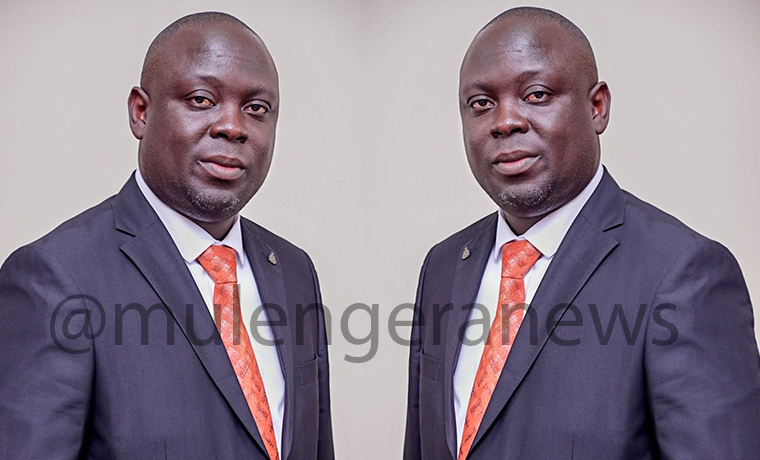
Deputy Presidential Press Secretary Faruk Kirunda has said that Uganda’s 2021 general elections were heavily influenced by foreign interference aimed at destabilizing the country and promoting regime change.
Kirunda, who also serves as Special Assistant to the President on Press and Mobilization, explained that several foreign-based groups used the election season as an opportunity to test Uganda’s political stability through covert operations, propaganda, and financial support to opposition movements.
He said intelligence gathered during and after the polls indicated that external actors channelled funds and strategic communication support to selected opposition formations under the cover of democracy promotion and human rights advocacy. Kirunda added that these efforts were intended to discredit the President Museveni and the NRM, create the impression that Uganda was sliding into political crisis.
According to him, the 2021 elections recorded the highest level of foreign interference in Uganda’s electoral history. He noted that the campaigns served as a disguise for a much broader and coordinated effort to influence public perception both at home and internationally.
Kirunda said the interference extended to information control, particularly on digital platforms, where several government supporters had their social media accounts blocked while opposition-aligned narratives dominated global media coverage. He added that the deliberate spread of disinformation about alleged human rights abuses and election fraud was meant to attract sanctions and isolate Uganda diplomatically.

Kirunda attributed much of this influence to what he described as external funding networks that had been operating in the country for several years. He said some of these networks were disrupted following policy changes under former U.S. president Donald Trump, who introduced an “America First” approach and reduced international aid to foreign governance programmes.
He said this reduction had exposed several groups that had relied on external support to run their political activities under the pretext of civil advocacy.
Kirunda also said that President YK Museveni’s consistent warnings about foreign interference were eventually proven right when opposition groups [especially the National Unity Platform – NUP) that had previously rejected dialogue under the Inter-Party Organisation for Dialogue (IPOD) later sought to rejoin after the funding that sustained them was withdrawn.

He added that this shift confirmed that the groups were not acting independently but under the influence of external interests.
He further explained that the violence, sectarian mobilisation, and misinformation that characterised the 2021 campaigns were products of that interference.
Kirunda said the intention was to provoke public unrest similar to what had happened in countries like Libya and Somalia, but the stability of Uganda was maintained due to strong leadership from Museveni, the discipline of security agencies, and the resilience of ordinary citizens.
Kirunda said Uganda has since drawn lessons from that experience and that government institutions are now more alert to foreign-sponsored activities that threaten national sovereignty. He pointed out that the current calmness and orderliness in early campaigns ahead of the 2026 elections reflect the weakening of the networks that caused turmoil five (5) years ago.
He said the NRM remains committed to engaging with international partners on issues of development and cooperation but will not tolerate any form of interference that undermines Uganda’s peace and independence. He emphasized that the country’s future will continue to be shaped by Ugandans themselves rather than by external actors or online pressure campaigns. (For comments on this story, get back to us on 0705579994 [WhatsApp line], 0779411734 & 041 4674611 or email us at mulengeranews@gmail.com).