





 By BM
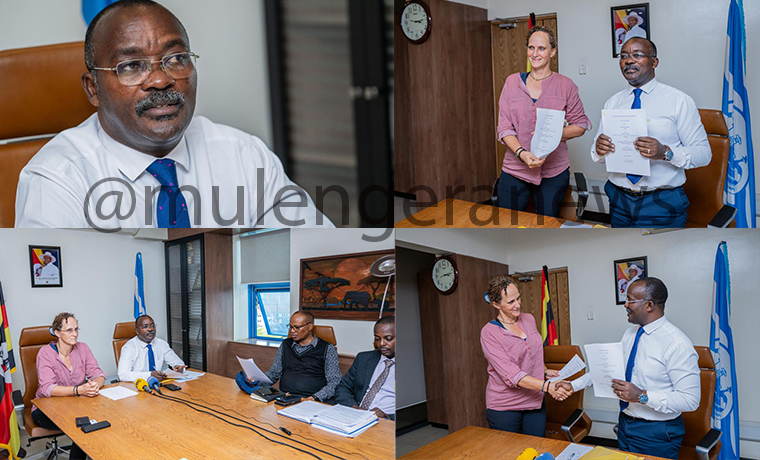
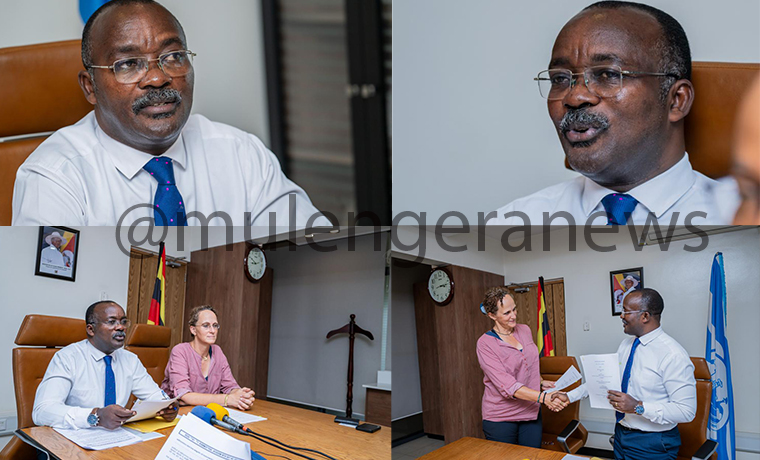
By BMIn a game-changing move to reshape the future of Northern Uganda, a 22.6 million Euros project has been launched to overhaul access to clean water, sanitation, and urban infrastructure for thousands of refugees and their host communities.
The five-year initiative, supported by the Government of Uganda, the German Government through KfW Development Bank, and the European Union, is set to dramatically transform living conditions in Arua City and the neighboring districts of Maracha and Terego.
At the center of this ambitious rollout is the National Water and Sewerage Corporation (NWSC), which is leading implementation on the ground.
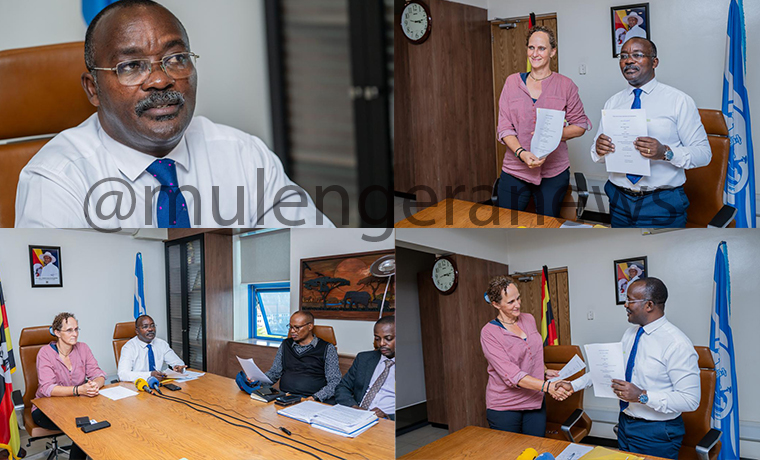
Dr. Eng. Silver Mugisha, NWSC’s Managing Director, described the project as a critical investment in the dignity and well-being of both refugee and host populations.
He emphasized that the success of the initiative hinges on close collaboration with Arua City authorities and the Ministry of Water and Environment, a model he believes could redefine public service delivery in high-pressure areas.
The project officially titled Climate Resilience and Water Infrastructure for Refugees and Host Communities in Northern Uganda, is more than just a development effort; it is a calculated response to urgent humanitarian needs compounded by climate vulnerability and rapid urbanization.
Andrea Johnston, Head of Governance and Stabilization for Water at KfW Development Bank in Eastern Africa, reinforced Germany’s long-standing commitment to Uganda’s water and sanitation sector.
She noted that KfW’s involvement reflects a deliberate focus on improving conditions in refugee-hosting regions like Arua, where infrastructure has been under immense strain for years.
The project will bring sweeping improvements.
Water treatment facilities will be rehabilitated and expanded, over 70 kilometers of new water pipelines will be installed, and outdated pumping systems will be upgraded.
Sanitation will also receive major attention, with plans to overhaul sewer networks and lifting stations. Urban resilience is being addressed through improved stormwater and solid waste management, alongside updated physical planning for Arua’s rapidly growing urban core.
The financial package includes 9 million Euros from the German Government through KfW, 13.6 million Euros from the European Union, and a co-funding contribution of 1.385 million Euros from the Government of Uganda and NWSC.
Procurement for consultants to oversee the design and construction is already underway, signaling that implementation is on a fast track.
This initiative isn’t just about infrastructure, it’s about restoring hope and improving quality of life for communities that have endured overcrowding, health risks, and water scarcity for far too long.
With strong leadership from NWSC and sustained backing from global partners, Northern Uganda may be entering a new era, one defined not by crisis, but by resilience and renewal.